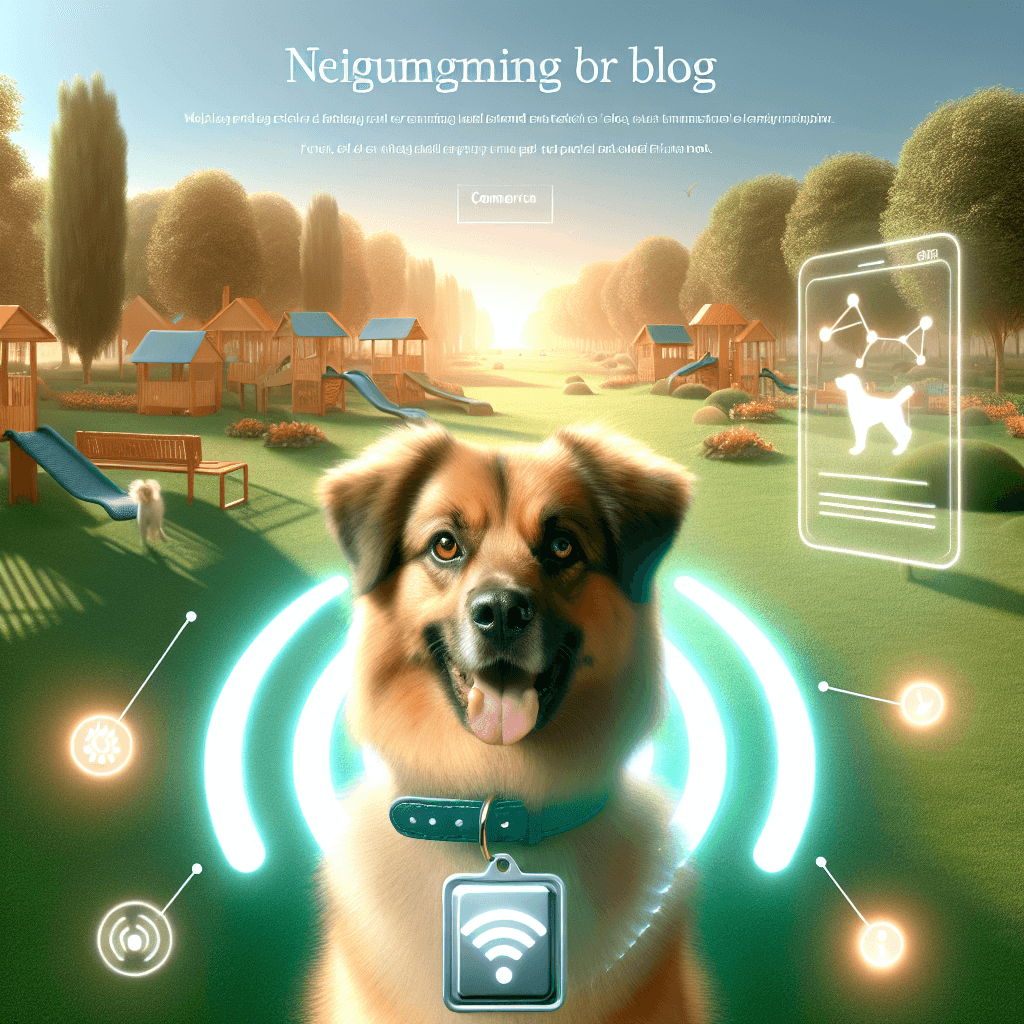
Beyond QR Codes: NFC Tags for Enhanced Pet Safety
Explore NFC tags as the future of pet safety
In today's fast-paced world, ensuring the safety of our pets is more crucial than ever. While QR codes have been a popular choice for pet identification, NFC tags are emerging as a cutting-edge alternative, offering numerous advantages in the realm of pet safety. This article explores NFC tags as the future of pet safety, comparing them to QR codes to help pet owners make informed decisions.
Understanding NFC Tags and QR Codes: The Basics
NFC (Near Field Communication) tags and QR (Quick Response) codes are both technologies used for storing information that can be easily accessed via smartphones. However, they function quite differently and offer distinct benefits.
NFC tags are small chips embedded with data, which can be read by a smartphone when it is held close to the tag. This technology is widely used in contactless payments and is now gaining traction in pet identification. QR codes, on the other hand, are matrix barcodes that can be scanned by a smartphone camera to retrieve information.
While QR codes require a visible and clean printed surface to be scanned, NFC tags can be embedded in inconspicuous places, making them more versatile for pet tags. This difference plays a significant role in their effectiveness and reliability for pet safety.
The Advantages of NFC Tags for Pet Safety
NFC tags offer several advantages over QR codes when it comes to enhancing pet safety. Firstly, NFC tags are more durable and less likely to become damaged compared to printed QR codes. This durability ensures that the information stored on the tags remains accessible, even in harsh outdoor conditions.
Moreover, NFC tags provide ease of use. Pet owners and finders do not need a special app to access the information on an NFC tag; they simply need to bring a compatible smartphone close to the tag. This simplicity can make a significant difference in emergency situations, where every second counts.
Additionally, NFC tags can store more detailed information compared to QR codes. This can include the pet's medical history, dietary preferences, and emergency contact details, providing a comprehensive profile that can aid in the pet's safe return.
NFC Tags vs. QR Codes: A Comparison
When comparing NFC tags and QR codes for pet identification, several factors come into play, including usability, durability, and data capacity. Let's break down these aspects to see why NFC tags are becoming the preferred choice for modern pet owners.
- Usability: NFC tags do not require a line of sight to be read, unlike QR codes which must be scanned directly. This makes NFC tags more convenient, especially if a pet is nervous or uncooperative.
- Durability: NFC tags are typically more resilient to environmental factors such as water and dirt. In contrast, QR codes can become unreadable if the tag is scratched or dirty.
- Data Capacity: NFC tags can store richer data than QR codes, which often have limited space for information. This allows for more comprehensive details about the pet to be stored and accessed quickly.
These factors make NFC tags more reliable and practical for ensuring pet safety, particularly in unexpected situations where quick access to information is crucial.
Real-World Applications and Success Stories
NFC technology is already making waves in the realm of pet safety, with numerous success stories highlighting its effectiveness. For example, a pet recovery service in the United States has reported a 30% increase in successful pet reunions thanks to the adoption of NFC tags.
In another case, a dog owner was able to quickly reunite with their lost pet because a passerby could easily access the detailed contact information stored on the NFC tag. Such real-world applications demonstrate the potential of NFC tags to significantly enhance pet safety and peace of mind for pet owners.
These success stories underscore the importance of adopting advanced technology for pet identification. As more pet owners switch to NFC tags, it's likely that we will see even more innovative applications and increased safety for pets worldwide.
The Future of Pet Safety: Embracing NFC Technology
The future of pet safety lies in embracing advanced technologies like NFC. As more pet owners recognize the benefits of NFC tags over traditional QR codes, the demand for these innovative tags is expected to rise.
Manufacturers are already working on integrating additional features into NFC tags, such as GPS tracking and health monitoring, which could provide even greater peace of mind for pet owners. This progression towards a more connected and secure world for pets is an exciting development in pet safety.
For pet owners looking to enhance their pet's safety, considering the switch to NFC tags can be a wise decision. With their superior durability, ease of use, and ability to store detailed information, NFC tags are poised to become the standard in pet identification technology.
Conclusion: Embrace NFC Tags for a Safer Tomorrow
In conclusion, NFC tags offer a significant leap forward in pet safety compared to traditional QR codes. Their durability, ease of use, and capacity for detailed information make them an ideal choice for modern pet identification.
For pet owners seeking to enhance their pet's safety and ensure a quick reunion in case of loss, NFC tags provide an innovative and reliable solution. As technology continues to evolve, embracing advancements like NFC tags can safeguard the well-being of our beloved pets.
If you're interested in upgrading your pet's safety with NFC technology, consider reaching out to a trusted pet identification provider today. By taking proactive steps, you can ensure your pet's safety and your peace of mind.