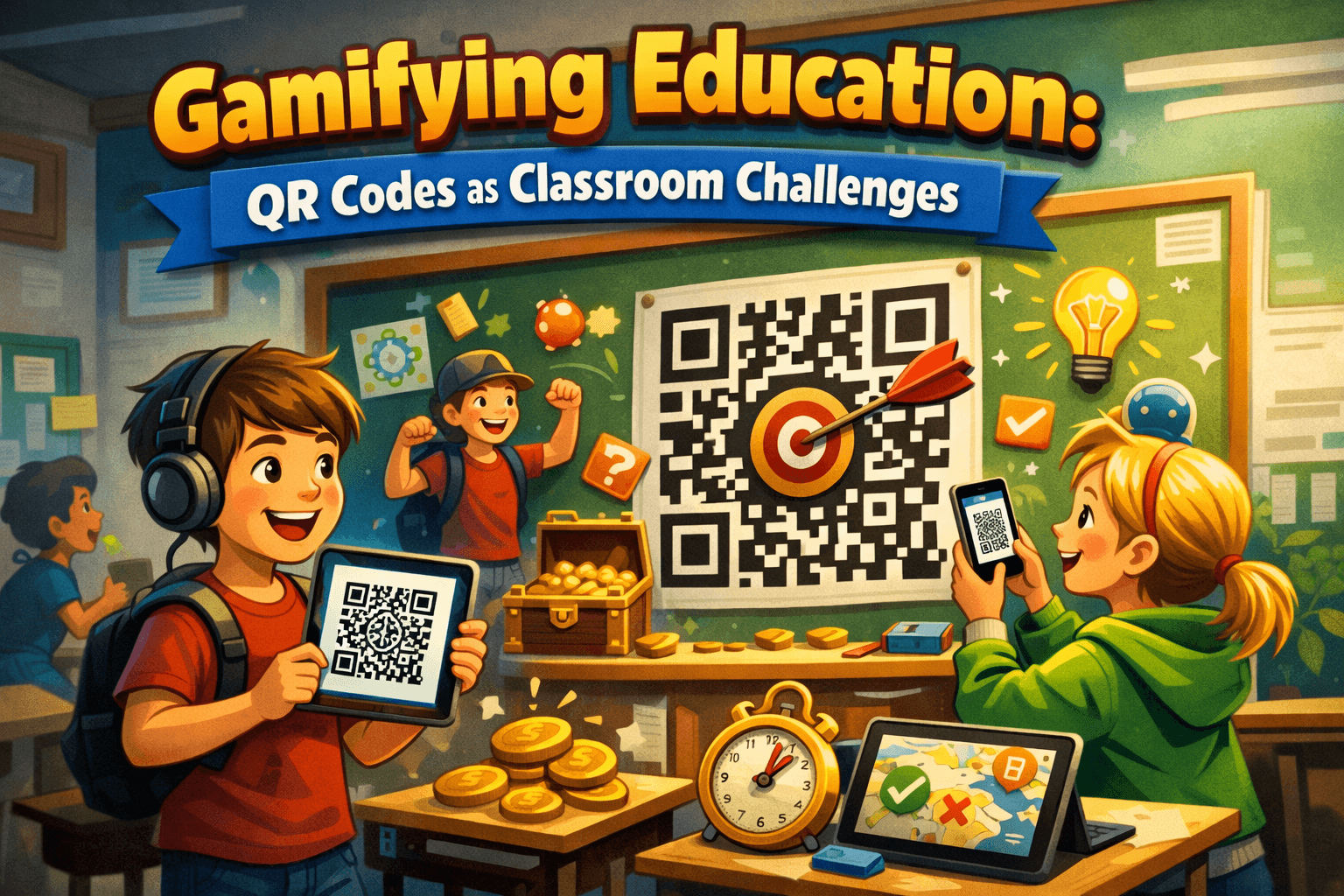
Gamifying Education: QR Codes as Classroom Challenges
Use QR codes for fun learning challenges
In today's digital age, educators are constantly seeking innovative ways to engage students and make learning more interactive. One such tool gaining traction in educational settings is the humble QR code. Once a mere marketing tool, QR codes are now revolutionizing classrooms by turning traditional lessons into exciting, interactive learning games. This article explores how QR codes can be used to gamify education, creating a dynamic learning environment that captivates students and enhances their educational experience.
The Rise of QR Codes in Education
With the increased accessibility of smartphones and tablets, QR codes have found a new purpose in education. These codes can store URLs, text, images, and more, making them versatile tools for creating interactive learning experiences. According to a study by the Pew Research Center, 95% of teenagers have access to a smartphone, making QR code-based activities highly accessible in modern classrooms.
Teachers can incorporate QR codes into lessons to provide students with instant access to additional resources, multimedia content, and engaging quizzes. This not only caters to different learning styles but also encourages students to take an active role in their education. As a result, QR codes are becoming a staple in forward-thinking classrooms worldwide.
How QR Codes Enhance Classroom Interactivity
QR codes offer a unique way to foster interaction and collaboration among students. By embedding codes around the classroom, educators can create scavenger hunts or treasure hunts that require students to work in teams to find and scan codes. Each code can reveal a clue, question, or challenge related to the lesson, promoting teamwork and critical thinking.
Moreover, QR codes can be used to create interactive quizzes and assessments. Students can scan codes to access questions and submit answers in real time, allowing for immediate feedback. This gamified approach not only makes assessments more enjoyable but also helps teachers quickly identify areas where students may need additional support.
Examples of QR Code Classroom Challenges
**Scavenger Hunts:**Teachers can design scavenger hunts where students must scan QR codes placed around the classroom or school campus. Each scanned code reveals a clue or puzzle that leads to the next location. This activity not only reinforces lesson content but also encourages physical activity and problem-solving skills.**Interactive Quizzes:**By creating QR codes linked to online quizzes, educators can incorporate formative assessments into their lessons seamlessly. Students can receive instant feedback, allowing them to track their progress and understanding of the subject matter.Digital Escape Rooms: QR codes can be used to build digital escape rooms, where students must solve puzzles and challenges to "escape" a virtual scenario. This immersive experience fosters collaboration, critical thinking, and creativity.
Benefits of Using QR Codes for Learning
The use of QR codes in education offers numerous benefits, enhancing both teaching and learning experiences. Here are some key advantages:
- **Engagement:**QR codes transform passive learning into an interactive experience, keeping students engaged and motivated. -**Accessibility:**With most students having access to smartphones, QR codes are a cost-effective way to integrate technology into the classroom. -**Differentiation:**QR codes can provide various types of content, catering to diverse learning styles and needs. -Immediate Feedback: The instant nature of QR codes allows for quick assessments and feedback, supporting timely intervention and support.
By leveraging these benefits, educators can create a more dynamic and inclusive classroom environment that caters to the needs of all students.
Implementing QR Code Challenges in Your Classroom
To successfully implement QR code challenges in your classroom, consider the following steps:
- **Define Objectives:**Determine the learning outcomes you want to achieve and tailor QR code activities to meet these goals. 2.**Create Content:**Develop engaging content that aligns with your lesson plans. This could include quizzes, video links, or interactive tasks. 3.**Test Technology:**Ensure all students have access to devices capable of scanning QR codes and that the necessary apps are installed. 4.Monitor Progress: Use QR code challenges to assess student understanding and adjust your teaching strategies accordingly.
By following these steps, educators can seamlessly integrate QR codes into their teaching practices, creating an engaging and effective learning environment.
Conclusion: Transform Your Classroom with QR Codes
QR codes offer educators a powerful tool to transform traditional teaching methods into interactive, gamified learning experiences. By incorporating these codes into classroom activities, teachers can enhance student engagement, provide instant feedback, and foster a collaborative learning environment. Whether through scavenger hunts, digital escape rooms, or interactive quizzes, QR codes have the potential to revolutionize education.
Are you ready to bring this innovative tool into your classroom? Start exploring the possibilities of QR codes today and watch your students thrive in a more interactive and engaging educational setting. Share your experiences and ideas in the comments below, and let's reinvent education together!