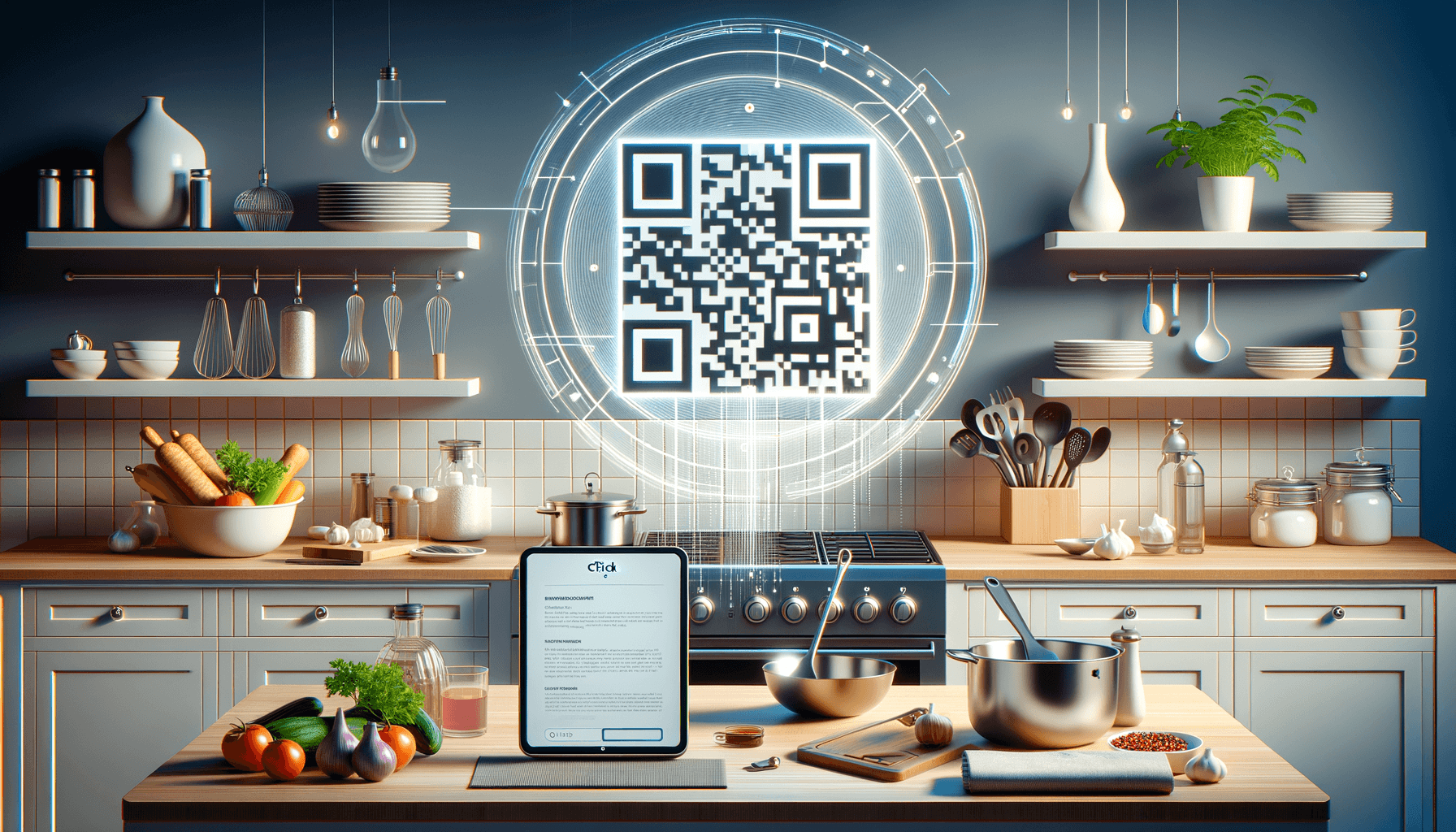
Interactive Recipe Sharing: Enhance Cooking with QR Codes
Use QR codes to create interactive recipe experiences.
In the digital age, technology continues to revolutionize our everyday lives, including how we cook and share recipes. Imagine scanning a simple QR code to unlock a world of interactive, multimedia-rich cooking experiences. This is the essence of using QR codes in cooking — a trend that's transforming recipe sharing into a dynamic, engaging activity.
QR codes, or Quick Response codes, have become ubiquitous in various sectors, from retail to healthcare. Now, they're making waves in the culinary world, offering a novel way to engage with recipes. This article explores how QR codes enhance cooking, facilitate interactive recipe sharing, and foster community engagement.
The Rise of QR Codes in Cooking
QR codes are simple yet powerful tools that bridge the gap between offline and online content. In cooking, they serve as gateways to a plethora of digital resources, enhancing the traditional recipe-sharing experience. This innovation caters to tech-savvy home cooks who crave more than static instructions on paper.
Statistics show a rising trend in digital engagement, with QR code scans increasing by over 25% in the past year alone. This surge is attributed to the convenience and interactivity they offer. By incorporating QR codes into cooking, food enthusiasts can access video tutorials, ingredient lists, and even nutritional information, all with a quick scan.
The versatility of QR codes makes them ideal for modern kitchens. They seamlessly integrate with smartphones and tablets, allowing cooks to explore recipes hands-free while preparing meals. This convenience is one reason why QR codes are quickly becoming a staple in interactive recipe sharing.
How QR Codes Transform Recipe Experiences
Imagine opening a cookbook and finding a QR code next to each recipe. Scanning it could lead to a step-by-step video tutorial, guided by a professional chef. This multimedia approach not only enhances understanding but also makes cooking more accessible to beginners and experts alike.
QR codes can link to various digital assets, such as:
- **Video tutorials:**Visual guidance for complex techniques. -**Ingredient sourcing:**Direct links to online grocery stores. -Nutritional information: Detailed breakdowns for health-conscious cooks.
Such features transform cooking from a solitary task into an interactive experience. Users can pause, replay, and follow along at their own pace, ensuring they master each dish. This interactive method bridges the gap between traditional recipes and modern cooking demands.
Community Engagement Through QR Code Recipes
QR codes in cooking aren't just about individual enrichment; they foster community engagement. Food blogs, social media platforms, and online forums have adopted QR codes to create a sense of community among cooking enthusiasts. When users share a QR code, they share more than just a recipe; they share a culinary experience.
Consider a cooking club where members swap QR codes instead of paper recipes. Each code might link to a personal video message from the creator, explaining the dish's backstory or offering unique tips. This personal touch encourages dialogue and fosters a deeper connection within the community.
Additionally, restaurants and food brands are leveraging QR codes to engage customers. By scanning a code on a menu, diners might access behind-the-scenes content, chef interviews, or special offers. Such interactions enhance customer experience and promote brand loyalty.
Case Studies: Success Stories of QR Codes in Cooking
Several case studies highlight the successful integration of QR codes in the culinary world. One notable example is a popular cooking magazine that replaced traditional recipe cards with QR codes. Readers could scan the codes to view cooking demonstrations, resulting in a significant increase in subscriber engagement.
Another success story comes from a gourmet meal kit company that includes QR codes in their packaging. Customers can scan these codes to watch chefs prepare the meal, ensuring they replicate the dishes with precision. This innovation has not only improved customer satisfaction but also boosted repeat purchases.
These examples demonstrate the potential of QR codes to revolutionize cooking and recipe sharing. By offering a richer, more interactive experience, they provide value that extends beyond traditional methods.
Getting Started with QR Code Recipes
Integrating QR codes into your cooking routine is easier than you might think. Here’s a simple guide to get started:
- **Choose a QR code generator:**Select a reliable tool that offers customization options. 2.**Create your content:**Whether it’s a video, blog, or infographic, ensure it’s engaging and informative. 3.**Link and generate:**Use the QR code generator to create a code linked to your content. 4.Share your recipes: Print the QR codes or share them digitally with friends, family, or your online community.
For those new to technology, many online resources and tutorials can guide you through the process. Embracing QR code recipes is a step towards more interactive and enjoyable cooking experiences.
Conclusion: Embrace the Future of Cooking with QR Codes
In conclusion, QR codes are reshaping the culinary landscape by offering interactive, multimedia-rich cooking experiences. They enhance traditional recipe sharing, promote community engagement, and provide a platform for culinary innovation. As this trend grows, embracing QR codes can elevate your cooking adventures.
Are you ready to transform your kitchen into a hub of interactive creativity? Start by integrating QR codes into your recipes and explore the endless possibilities they offer. Share your experiences and join a community of forward-thinking cooks who are redefining the art of cooking. Scan, cook, and connect — the future of cooking is here.