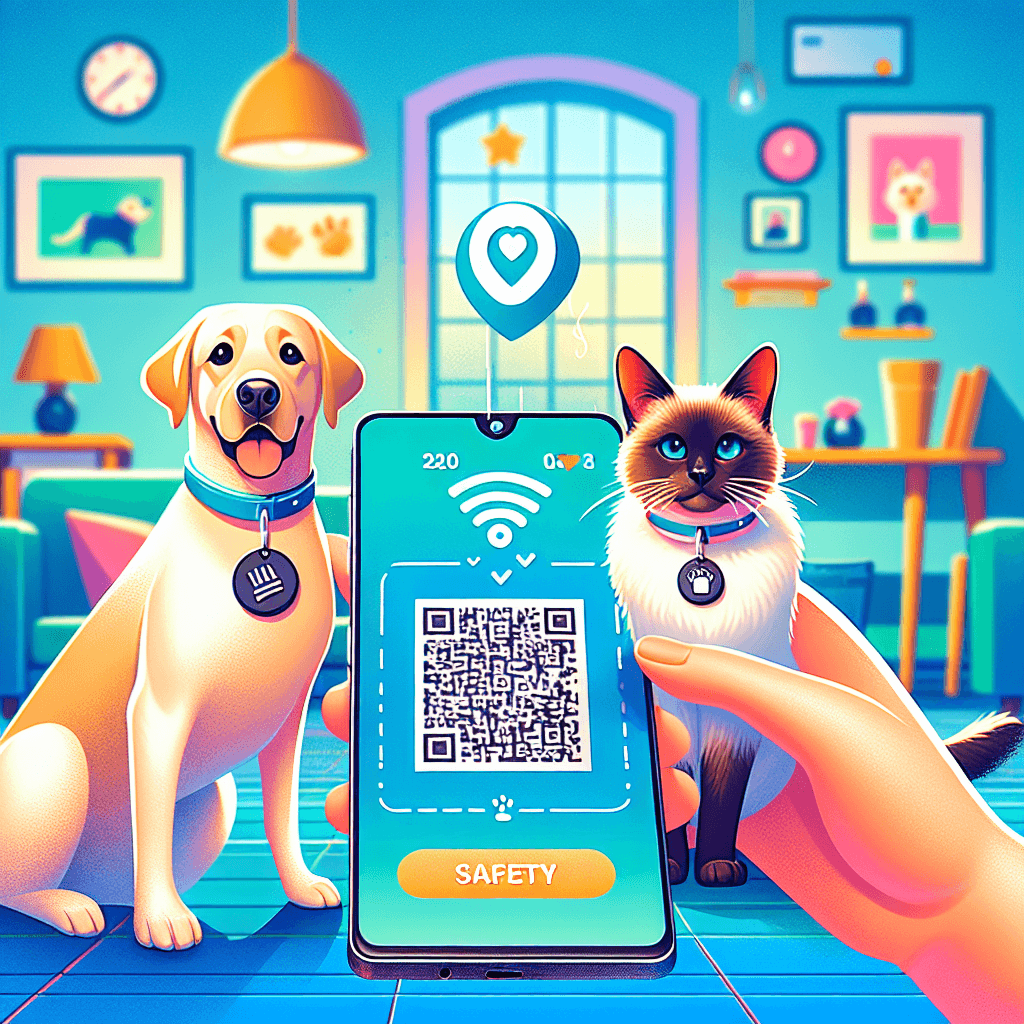
Pet Safety Tech: NFC Tags vs QR Codes
Compare pet safety with NFC and QR code tags
In today's tech-driven world, ensuring the safety of our beloved pets has never been more accessible or innovative. As pet owners, it's crucial to equip our furry friends with the latest technology to keep them safe and easily identifiable. Two popular options are NFC tags and QR codes, both offering unique benefits. This article delves into a comparative analysis of NFC tags and QR codes for pet safety, helping you make an informed decision about the best technology for your pet's needs.
With the increasing concern for pet safety, technology has stepped in to provide solutions that offer peace of mind. NFC tags and QR codes have emerged as leading technologies, making it easier to reunite lost pets with their owners. Both technologies provide instant access to important information, but which one is better suited for your pet? Let's explore the differences and advantages of each.
Understanding NFC Tags for Pet Safety
NFC (Near Field Communication) technology has revolutionized how we interact with everyday objects, and pet safety is no exception. NFC tags are small, passive devices that store information retrievable with a simple tap from an NFC-enabled smartphone. This seamless interaction allows anyone who finds a lost pet to access the owner's contact details instantly.
One of the primary advantages of NFC tags is their ease of use. There's no need to download a specific app or have internet access. Simply tapping the NFC tag with a smartphone is enough to retrieve the pet's information. This convenience makes NFC tags an excellent choice for tech-savvy pet owners looking for quick solutions.
Moreover, NFC tags are durable and water-resistant, making them suitable for pets that love adventure. Whether your pet enjoys splashing in puddles or rolling in the mud, an NFC tag can withstand the elements, ensuring your pet's information remains accessible in various conditions.
Exploring QR Codes for Pet Safety
QR (Quick Response) codes are another popular option for pet safety, offering a cost-effective and widely recognized solution. QR codes can store more information than NFC tags, providing a detailed profile for your pet. This can include not only the owner's contact details but also medical information, dietary needs, and more.
The versatility of QR codes makes them a compelling choice for pet owners who want to share comprehensive information. Once scanned by a smartphone, a QR code can redirect to a web page containing all the essential details about the pet. This feature is particularly useful for pets with special needs or medical conditions.
However, QR codes do require an internet connection and a QR code reader app, which may pose a limitation in certain scenarios. Despite this, their ability to convey extensive information makes QR codes a reliable option for pet safety technology.
Comparing Ease of Use: NFC Tags vs QR Codes
When it comes to ease of use, both NFC tags and QR codes have their strengths and weaknesses. NFC tags offer a straightforward, one-tap solution that doesn't require any additional apps or internet connectivity. This can be especially beneficial in rural areas or situations where immediate access to the internet is unavailable.
On the other hand, QR codes, while requiring a scanning app and internet access, provide a more detailed overview of the pet's information. The ability to include a wide range of data in a single QR code makes it a versatile solution for pet owners who want to ensure all necessary information is readily available.
Ultimately, the choice between NFC tags and QR codes may come down to personal preference and the specific needs of your pet. Consider whether you prioritize ease of use or the ability to convey comprehensive information when deciding which technology is best for your pet's safety.
Durability and Reliability: Which Is Better?
Durability is a crucial factor to consider when choosing between NFC tags and QR codes for pet safety. Pets are often exposed to harsh environments, making it essential that their identification technology can withstand the elements.
NFC tags are generally more durable due to their construction. They are built to be water-resistant and can endure the wear and tear of active pets. This makes them an ideal choice for pets that spend a lot of time outdoors or in wet conditions.
Conversely, QR codes are printed on labels or tags that can fade or become damaged over time. While they are generally reliable, they may not be as resilient as NFC tags in challenging environments. For pet owners who prioritize durability, NFC tags might have the edge over QR codes.
Cost and Accessibility Considerations
Cost and accessibility are important factors that influence the choice between NFC tags and QR codes. NFC tags are generally more expensive due to the technology involved, but they offer a high level of convenience and durability.
QR codes, on the other hand, are more affordable and easier to produce. They can be printed on a variety of materials, making them accessible to a wider audience. This cost-effectiveness makes QR codes a popular choice for many pet owners.
However, it's worth noting that the initial investment in NFC technology could pay off in the long run due to its durability and ease of use. Pet owners should weigh the initial costs against the potential benefits when choosing the best pet safety technology for their needs.
Conclusion: Choosing the Right Pet Safety Technology
In conclusion, both NFC tags and QR codes offer valuable benefits for pet safety, but the best choice depends on your specific needs and circumstances. NFC tags provide a quick and seamless experience with their tap-and-go functionality, making them perfect for tech-savvy pet owners and active pets. They are durable and reliable, ensuring your pet's safety information is always accessible.
QR codes, however, offer a more detailed approach, allowing you to include extensive information about your pet. They are cost-effective and widely recognized, making them a practical choice for pet owners looking for affordability and versatility.
Ultimately, the decision between NFC tags and QR codes should consider factors like ease of use, durability, cost, and the specific needs of your pet. By choosing the right technology, you can ensure your pet's safety and have peace of mind knowing that help is just a scan or tap away. Explore both options and decide which technology aligns best with your pet's lifestyle and your personal preferences.
For more insights and updates on the latest pet safety technology, subscribe to our newsletter and stay informed about the best ways to keep your furry friends safe.