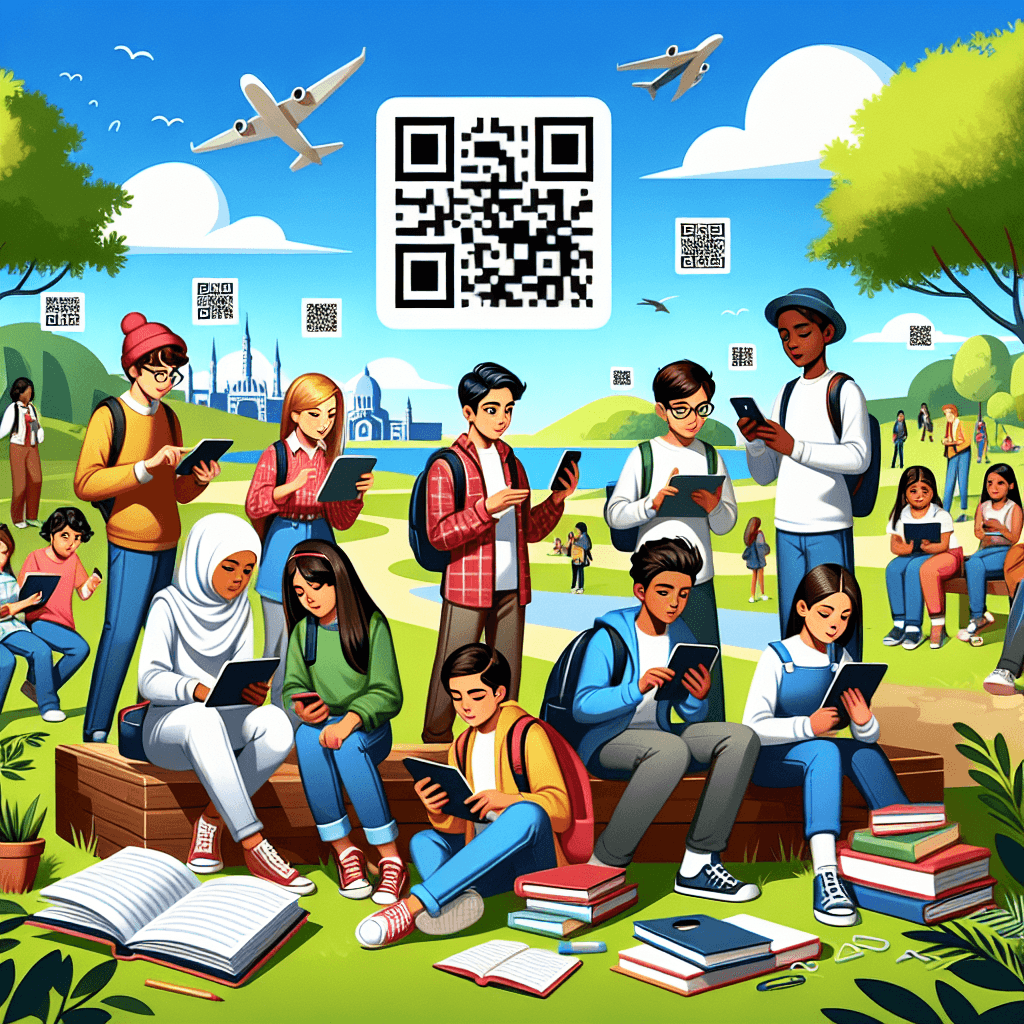
QR Codes in Education: Beyond the Classroom Walls
Expand learning with QR codes outside classrooms
In today's rapidly evolving educational landscape, technology plays a pivotal role in enhancing learning experiences. Among the various tools available, QR codes have emerged as a versatile and innovative solution. Initially popular in marketing and retail, QR codes are now transforming education by bridging the gap between digital and physical worlds. This seamless integration is particularly evident outside the traditional classroom setting, where QR codes facilitate outdoor and field learning experiences.
Imagine students on a field trip, scanning QR codes to access exclusive content related to their surroundings. This not only enriches their learning but also fosters a sense of exploration and curiosity. As educators seek creative ways to engage students, QR codes offer a unique opportunity to expand learning beyond classroom walls. This article explores the myriad ways QR codes are revolutionizing education, encouraging real-world applications, and promoting student exploration.
Enhancing Outdoor Learning with QR Codes
Outdoor learning experiences are invaluable in providing hands-on education. QR codes in education take these experiences to the next level by offering interactive and personalized content. When students scan a QR code placed in a botanical garden, they can instantly access information about various plant species, including their scientific names, characteristics, and ecological significance.
Moreover, QR codes can be used to create scavenger hunts, where students solve educational puzzles by scanning codes at different locations. This not only makes learning fun but also reinforces knowledge through active participation. By incorporating QR codes in outdoor settings, educators can offer a dynamic learning environment that promotes critical thinking and problem-solving skills.
Facilitating Field Trips and Museum Visits
Field trips and museum visits are essential for experiential learning. With QR codes, these excursions become more interactive and informative. For instance, museums can place QR codes next to exhibits, allowing students to access detailed explanations, videos, or even audio guides. This enriches their understanding and keeps them engaged throughout the visit.
QR codes also enable educators to tailor content to different age groups or learning levels. Schools can provide students with pre-visit assignments that involve scanning QR codes to gather information, encouraging them to prepare questions and participate actively during the trip. By integrating QR codes into field trips, educators can enhance the educational value of these experiences, making them more meaningful and memorable.
Encouraging Real-World Applications
One of the key benefits of QR codes in education is their ability to connect classroom learning with real-world applications. For example, a history teacher could use QR codes during a city tour, linking them to historical facts or archival images of significant landmarks. Students can explore these sites, scan the codes, and instantly access a wealth of information that brings history to life.
Additionally, QR codes can be used in science classes to link experiments with relevant scientific theories or research papers. This encourages students to think critically and apply theoretical knowledge to practical scenarios. By bridging the gap between theory and practice, QR codes help students understand the relevance of their studies in real-world contexts.
Promoting Student Exploration and Creativity
QR codes encourage students to become active participants in their learning journey. By allowing students to access additional resources through QR codes, educators empower them to explore topics that interest them further. This self-directed learning fosters creativity and independence, as students can delve deeper into subjects at their own pace.
Teachers can also encourage students to create their own QR codes as part of project-based learning. For instance, students could design a QR code that links to a video presentation of their research project, fostering digital literacy skills. By integrating QR codes in education, students gain valuable skills such as content creation, critical evaluation, and technological proficiency.
Case Studies: Success Stories in QR Code Education
Several educational institutions have successfully implemented QR codes to enhance learning. For instance, a primary school in California integrated QR codes into their science curriculum. Students participating in a nature walk used QR codes to identify plants and animals, vastly improving their engagement and knowledge retention.
In another example, a museum in New York utilized QR codes to offer multilingual guides, making exhibits accessible to a diverse audience. This not only improved visitor experience but also catered to different learning needs. These case studies highlight the potential of QR codes to transform educational experiences, making learning more inclusive and interactive.
Conclusion: Embrace the Future of Education with QR Codes
QR codes in education are more than just a technological novelty; they are a gateway to a world of interactive and immersive learning experiences. By facilitating outdoor and field learning, encouraging real-world applications, and promoting student creativity, QR codes have the potential to transform education beyond traditional classrooms.
Educators should embrace this technology to provide students with enriched learning opportunities that cater to various learning styles and preferences. As we continue to explore the possibilities, QR codes will undoubtedly play a crucial role in shaping the future of education.
Are you ready to integrate QR codes into your educational practices? Start by exploring simple ways to incorporate them into your lessons and watch your students' engagement soar.