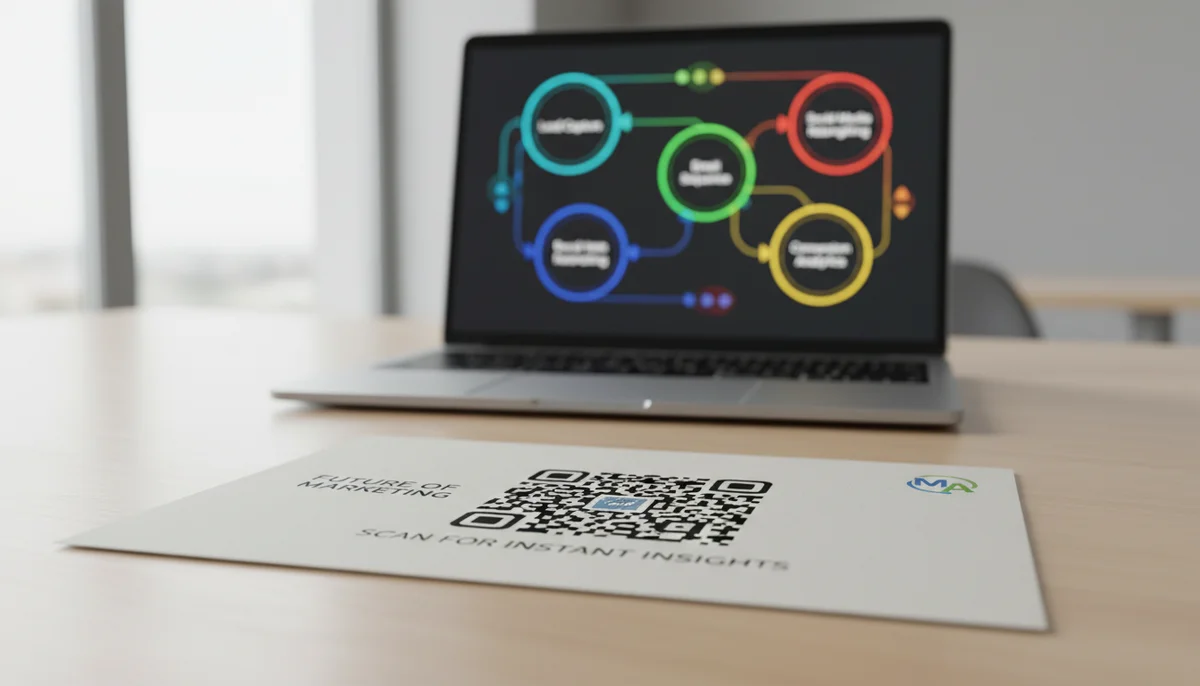
Boost Campaigns: The Power of QR Code Automation in Marketing
Discover how QR code automation transforms marketing campaigns. Learn to streamline workflows, enhance engagement, and track performance with automated QR solutions. Boos
QR Code Automation: A Guide to Hyper-Personalization & Efficiency
In today's competitive digital marketing landscape, businesses are constantly seeking innovative ways to connect with customers, streamline operations, and gather actionable data. This is where the synergy of QR codes and marketing automation comes into play, offering a powerful solution to bridge the physical and digital worlds. QR code automation isn't just a buzzword; it's a strategic imperative for marketers looking to create hyper-personalized experiences, optimize workflows, and drive measurable results. By integrating QR codes into your automated marketing funnels, you can trigger specific actions, segment audiences, and deliver relevant content the moment a user engages.
This advanced guide will delve into how businesses can leverage QR codes for sophisticated marketing automation, providing practical examples, strategic insights, and implementation steps to transform your customer engagement. We'll explore the core components, real-world applications, and the technical backbone required to build truly dynamic and responsive [QR code campaigns].
Understanding QR Code Automation
At its heart, QR code automation is the process of using QR code scans to trigger predefined marketing actions or workflows without manual intervention. It transforms a simple physical interaction into a dynamic digital journey, making every scan an opportunity for personalized engagement.
What Exactly is QR Code Automation?
Imagine a customer scanning a product label and instantly receiving a discount code, watching a product demo video, or signing up for a loyalty program—all automatically. This is the essence of QR code automation. It connects the physical world where your QR codes are placed (packaging, posters, business cards) with your digital marketing systems (CRM, email automation, analytics platforms).
It goes beyond simply linking to a static URL. With automated workflows, the system can:
- Identify the user (if authenticated or tracked).
- Determine the scan context (location, time, specific QR code).
- Trigger a series of personalized actions based on this data.
The "Why": Benefits for Advanced Marketers
For marketers striving for efficiency and deeper customer connections, the benefits of implementing qr code automation are substantial:
- Enhanced Personalization: Deliver highly relevant content or offers based on the specific QR code scanned and the user's journey.
- Increased Efficiency: Automate repetitive tasks like data collection, lead nurturing, and content distribution, saving valuable time and resources.
- Improved Data Collection: Automatically gather precise [QR code analytics] on scan locations, times, devices, and user behavior, feeding directly into your CRM or analytics tools.
- Seamless Customer Journey: Create smooth transitions from offline to online, guiding users through a logical and engaging path.
- Better ROI Tracking: Directly attribute physical world interactions to digital conversions, providing clear insights into campaign performance.
- Scalability: Once set up, automated workflows can handle a large volume of interactions without additional manual effort.
Key Components of an Automated QR Code System
To effectively implement QR code automation, several technological components work in concert:
- [Dynamic QR Codes]: These are essential. Unlike static QR codes, dynamic codes allow you to change the destination URL or content after creation without reprinting the code. They also enable detailed tracking and analytics. Using a robust [Free QR Code Generator] that supports dynamic functionality is the first step.
- QR Code Generation Platform: A platform that allows you to create, manage, and track your QR codes, often providing advanced features like [Custom QR Design], bulk generation, and team collaboration.
- Marketing Automation Platform (MAP) or CRM: Systems like HubSpot, Salesforce, Marketo, or even simpler email marketing tools that can receive data and trigger actions (e.g., sending emails, updating contact records, assigning tasks).
- Integration Layer (APIs & Webhooks): This is the bridge between your QR code management platform and your MAP/CRM. It allows data to flow seamlessly between systems.
Practical Examples of QR Code Automation in Action
Let's explore specific business use cases where qr code automation can deliver significant impact.
Retail: Enhancing In-Store Experience and Loyalty
Problem: Retailers struggle to connect in-store browsing with online engagement and loyalty programs. Solution: Embed QR codes into product displays, changing rooms, or receipts to trigger automated experiences.
- Product Information & Reviews: Place a QR code on a product's shelf tag. When scanned, it takes the customer to a mobile-optimized product page with detailed specifications, customer reviews, and a "buy now" option. The scan can simultaneously trigger an automation: if it's a first-time scan for that product, the user is added to a segment for "interested in [Product X]".
- Instant Coupons & Offers: A QR code on a store poster advertises a special discount. Scanning it not only reveals the coupon but also automatically adds the user to a "promotional offers" email list via a [Coupon QR Code]. For existing loyalty members, the coupon could be instantly loaded to their account.
- Loyalty Program Sign-Up: A QR code at the checkout desk for a quick loyalty program enrollment. Scanning a [Form QR Code] pre-fills user details if they've engaged before, or prompts for new sign-ups. Upon submission, the CRM automatically sends a welcome email and assigns an initial loyalty point bonus.
Events & Conferences: Streamlining Engagement and Lead Capture
Problem: Manual lead capture is inefficient, and attendees often miss key information. Solution: Use QR codes to automate registration, information delivery, and post-event follow-ups.
- Automated Check-in: Attendees receive a unique QR code in their registration email. Upon arrival, scanning the QR code at a self-service kiosk registers their attendance, updates their status in the event management system, and sends a "Welcome to the Event!" SMS.
- Speaker Sessions & Resources: Each session room has a QR code. Scanning it (a [PDF QR Code] or [Video QR Code]) provides instant access to the speaker's slides or a recording, and concurrently tags the attendee in the CRM as having attended that specific session. This data can inform highly targeted post-event content.
- Exhibitor Lead Capture: Booths feature a QR code that, when scanned, triggers an automated lead form. Submitting the form instantly sends the exhibitor a notification and adds the lead to their sales pipeline, triggering a follow-up email sequence to the attendee.
Real Estate: Virtual Tours and Prospect Nurturing
Problem: Generating interest and providing detailed property information efficiently, especially for drive-by prospects. Solution: Place QR codes on "For Sale" signs, brochures, or open house flyers to automate information delivery and lead qualification.
- Instant Property Details & Virtual Tours: A QR code on a yard sign links directly to a property's dedicated webpage, including a virtual tour and high-resolution images. The scan (a [URL QR Code]) can also trigger an automation that sends an SMS with the agent's contact info and offers to schedule a showing, capturing the prospect's interest immediately.
- Agent Contact Information: A [vCard QR Code] on a business card or brochure allows prospects to instantly save an agent's contact details. This can also trigger an automated follow-up email from the agent, acknowledging the connection and offering further assistance.
- Open House Feedback & Follow-Up: At an open house, a QR code for a feedback form. Scanning and completing the [Form QR Code] automatically sends a thank-you email to the visitor and adds their preferences to a CRM, initiating a tailored property suggestion campaign.
Strategy and Implementation for QR Code Automation
Implementing effective qr code automation requires careful planning and a clear understanding of your customer journey.
Designing Your QR Code Campaigns
Before diving into the technical setup, outline your campaign goals and map the desired user experience.
- Define Your Goal: What do you want the user to do after scanning? (e.g., make a purchase, sign up, download, provide feedback).
- Identify the Touchpoint: Where will the QR code be placed, and what is the context of the scan? This influences the content and follow-up.
- Map the User Journey: Sketch out the exact steps a user will take from scan to conversion, and where automation can enhance this.
- Create Engaging Content: Ensure the landing page or content delivered via the QR code is mobile-optimized, relevant, and provides value.
Setting Up Automation Workflows with APIs and Webhooks
The real power of QR code automation lies in its ability to integrate with your existing marketing stack. This typically involves APIs (Application Programming Interfaces) and webhooks.
- APIs: An API allows different software applications to communicate with each other. Your QR code generator platform likely has an API ([QR Code API]) that allows you to programmatically create QR codes, retrieve scan data, or update QR code destinations.
- Example: You could use an API to dynamically generate a unique QR code for each product in your inventory or for each attendee at an event.
- Webhooks: A webhook is an automated message sent from one system to another when a specific event—in this case, a QR code scan—occurs. It's often described as a "user-defined HTTP callback." When someone scans your QR code, your QR code platform can send a webhook notification to your CRM or marketing automation platform.
Step-by-Step Webhook Implementation (Simplified):
- Choose Your Trigger: In your QR code management platform, define "QR code scanned" as the trigger event.
- Configure the Webhook URL: Provide the specific URL (from your marketing automation platform) where the scan data should be sent. This URL acts as the receiving endpoint.
- Specify Data Payload: Determine what information about the scan you want to send (e.g., QR code ID, scan timestamp, user IP, geographic location). This data is typically sent in JSON format.
{ "event": "qr_code_scanned", "qr_code_id": "YOUR_QR_CODE_ID_HERE", "timestamp": "2023-10-27T10:30:00Z", "user_ip": "192.168.1.1", "location": { "latitude": 34.0522, "longitude": -118.2437 } } - Set Up Receiving Workflow: In your marketing automation platform (e.g., Zapier, Make, HubSpot Workflows), create a workflow that listens for incoming webhooks at that specific URL.
- Define Actions: Based on the received data, trigger subsequent actions.
- If
qr_code_idmatches "ProductX_Discount", add user to "Product X Interest" segment and send a discount email. - If
locationis "Event_Booth_A", add user as a lead from "Booth A" and notify the sales team.
- If
Choosing the Right Trigger
The efficacy of your QR code automation hinges on intelligent trigger selection. Not every scan should initiate the same workflow. Consider these nuances:
- First Scan vs. Subsequent Scan: Is this a user's initial interaction with this specific QR code, or have they scanned it before? A first scan might trigger a welcome message and lead capture, while subsequent scans could lead to updated information, a different offer, or a survey asking for feedback after engagement.
- Time-Based Triggers: Has a certain amount of time passed since the last scan? This can be used for drip campaigns or to re-engage dormant users.
- Location-Based Triggers: Does the scan occur in a specific geographical area? This can be used for localized promotions or event-specific content.
- User Segment Triggers: Does the scanner belong to a particular customer segment (e.g., new customer, VIP, abandoned cart)? This allows for highly tailored content delivery.
Leveraging [QR Code Analytics] for Optimization
Automation doesn't mean "set it and forget it." Continuous monitoring and optimization are crucial.
- Track Scan Data: Monitor how many times each QR code is scanned, where, and when. This can reveal popular locations, peak engagement times, and the effectiveness of your physical placements.
- Analyze Conversion Rates: Link scan data to conversion events (e.g., form submissions, purchases, app downloads). This directly shows the ROI of your QR code campaigns.
- A/B Test: Experiment with different QR code designs, landing page content, or automated follow-up sequences to see what performs best.
- Integrate with CRMs: Push all scan and interaction data directly into your CRM. This enriches customer profiles, enabling more sophisticated segmentation and personalization in future campaigns.
Remember, every data point from your [QR Code Analytics] can inform future iterations of your automation strategies, making your marketing efforts progressively smarter and more effective.
Conclusion
The convergence of QR codes and marketing automation presents an unparalleled opportunity for businesses to create engaging, efficient, and data-driven customer experiences. By embracing qr code automation, marketers can transcend traditional marketing barriers, offering seamless transitions from the physical to the digital realm.
The key to success lies in thoughtful planning, strategic integration, and continuous optimization. Start by identifying your customer pain points and envision how a simple scan can trigger a cascade of personalized, valuable interactions. Leverage powerful tools like [Dynamic QR Codes] and integrate them with your existing marketing platforms via APIs and webhooks. The future of customer engagement is personalized, automated, and right at your fingertips. Take the leap and transform your marketing strategies with the power of QR code automation.
Frequently Asked Questions
Find quick answers to common questions about this topic
What is QR code automation in marketing?
QR code automation involves using tools and APIs to automatically generate, deploy, and manage QR codes within marketing campaigns, streamlining processes and enhancing efficiency.
How can dynamic QR codes enhance marketing automation?
Dynamic QR codes are crucial as they allow content to be updated after printing and provide detailed scan analytics, which are essential for real-time adjustments in automated campaigns.
What are the benefits of integrating QR codes with marketing automation platforms?
Integration allows for seamless data flow, personalized user experiences, automated lead nurturing, and improved attribution, leading to more effective and measurable campaigns.
Can QR code automation improve campaign tracking and analytics?
Yes, automated systems provide real-time scan data, location insights, and engagement metrics, allowing marketers to precisely track campaign performance and optimize strategies on the fly.
What types of marketing campaigns benefit most from automated QR codes?
Campaigns involving lead generation, event registration, product promotions, personalized content delivery, and multi-channel engagement significantly benefit from automated QR code deployment.
Related Articles
Continue exploring QR code strategies and best practices

Static vs Dynamic QR Code Explained: Benefits of Dynamic QR
Understand static vs. dynamic QR codes. Learn the benefits of dynamic QR codes for marketing, tracking, and content updates. Essential for modern campaigns.
Comparing Dynamic QR Code Tools: Which Platform is Right for You?
Explore leading dynamic QR code tools and platforms. Compare features, analytics, and pricing to find the best solution for your business needs and marketing campaigns.

QR Code Lead Generation: Strategies to Capture More Prospects
Discover how dynamic QR codes can revolutionize your lead generation efforts. Learn effective strategies for capturing more prospects and boosting conversions with QR-Bui

Boost Engagement: How QR Codes Enhance Email Marketing Campaigns
Enhance your email campaigns with QR code email marketing. Learn how dynamic QR codes drive engagement, track scans, and connect subscribers to offers, landing pages, and

Boost Your Business: Creative QR Code Marketing Ideas for Success
Uncover 15 innovative QR code marketing ideas to transform your campaigns and engage customers. Learn how to leverage QR codes for promotions, lead generation, and enhanc

How QR Codes Increase Customer Engagement and Loyalty
Discover how dynamic QR codes drive customer engagement, loyalty, and interaction. Track campaign performance with real-time analytics from QR-Build. Start boosting engag

Product Marketing Manager
Emma helps businesses leverage QR codes for marketing campaigns. She has worked with over 200 companies to optimize their QR code implementations.