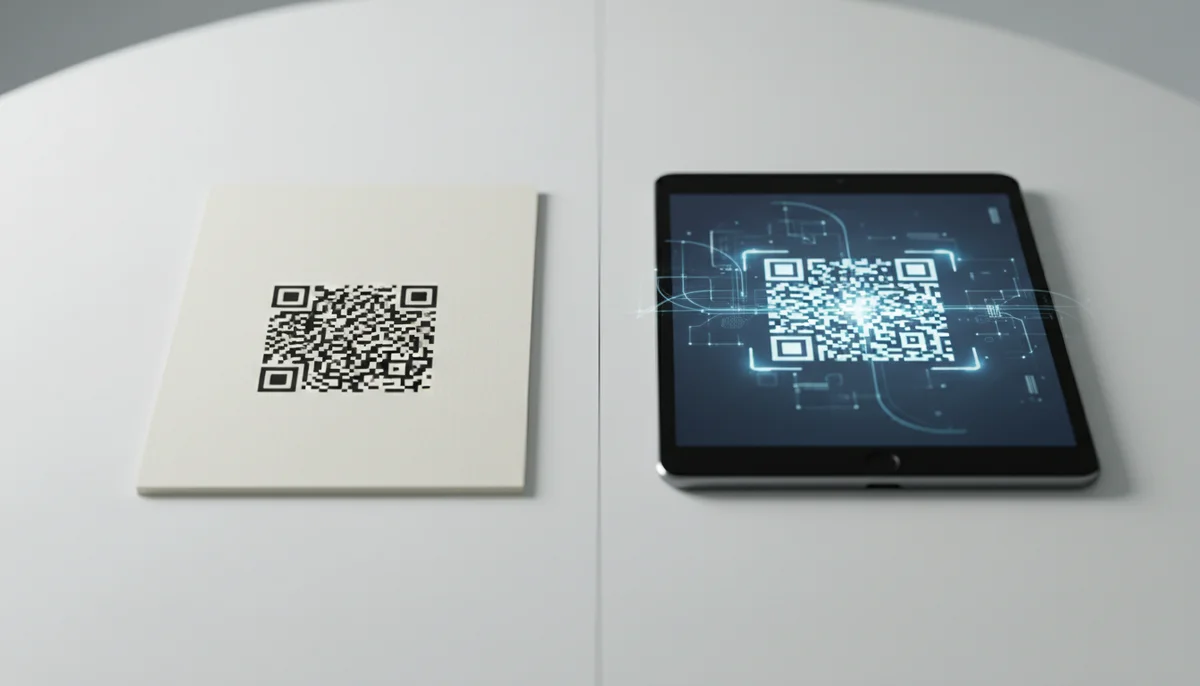
Static vs Dynamic QR Code Explained: Benefits of Dynamic QR
Understand static vs. dynamic QR codes. Learn the benefits of dynamic QR codes for marketing, tracking, and content updates. Essential for modern campaigns.
Static vs. Dynamic QR Codes: Decoding the Future of Digital Interaction
In an increasingly connected world, QR codes have emerged as silent, ubiquitous gateways between the physical and digital realms. From restaurant menus to product packaging, event tickets to marketing campaigns, these pixelated squares are everywhere, streamlining information access and enhancing user experiences. Yet, beneath their simple appearance lies a critical distinction that dictates their power and flexibility: the difference between static and dynamic QR codes. Understanding this fundamental divide is not just an academic exercise; it's essential for anyone looking to leverage QR technology effectively, whether for personal use, a small business, or a large-scale enterprise.
This comprehensive guide will unravel the intricacies of static and dynamic QR codes, explore their respective advantages and limitations, and provide a clear roadmap for choosing the right type for your specific needs. We’ll delve into the profound dynamic QR code benefits that make them a game-changer for modern communication and marketing, offering insights into how you can harness their full potential.
What Exactly is a QR Code?
Before we dive into the nuances of static vs dynamic QR code, let’s briefly revisit what a QR code is. QR, an acronym for "Quick Response," refers to a two-dimensional barcode readable by smartphones and other devices. Invented in 1994 by Masahiro Hara of Denso Wave in Japan, QR codes were initially used to track vehicles during manufacturing. Today, their applications are virtually limitless, primarily because they can store significantly more data than traditional one-dimensional barcodes. This data can include URLs, plain text, contact information, Wi-Fi login details, and much more, all encoded within its distinctive black-and-white (or colored) pattern.
When a device scans a QR code, it deciphers the embedded information, typically triggering an action – opening a website, saving a contact, connecting to Wi-Fi, or displaying a message. This instant access to digital content is what makes QR codes such a powerful tool for bridging the physical and digital divide.
The Fundamental Divide: Static vs. Dynamic QR Codes
The core distinction between static and dynamic QR codes lies in how they store and deliver information. This difference has significant implications for flexibility, tracking, and long-term utility.
Static QR Codes Explained
A static QR code directly embeds the destination data within its pattern. Once created, the information encoded in a static QR code is permanent and unchangeable. Think of it like printing a specific URL directly onto a physical document – if the URL changes, the document (and thus the QR code) becomes obsolete.
How They Work: When you create a static QR code for, say, your website, the URL of your website is literally part of the QR code's visual pattern. There’s no intermediary server involved. The scanner reads the URL directly from the pixels and then opens it.
Pros of Static QR Codes:
- Simplicity: Easy to create and deploy.
- Permanence: Ideal for information that will never change.
- No Ongoing Costs: Once generated, there are no subscription fees as there’s no server-side management. You can generate a wide range of basic static codes, such as those for plain text or Wi-Fi access, using a Free QR Code Generator.
- No Internet Required (for reading): The code itself doesn't need an internet connection to be read, only for the linked content to load if it's a URL.
Cons of Static QR Codes:
- Uneditable: This is the biggest drawback. If the linked content changes or becomes unavailable, the QR code becomes a dead end. There's no way to update it without creating and replacing the physical code.
- No Tracking or Analytics: You cannot monitor how many times the code has been scanned, where it was scanned, or what devices were used. This makes them unsuitable for marketing campaigns requiring performance measurement.
- Larger/Denser Appearance for More Data: The more information you embed directly into a static QR code, the more complex and pixelated its pattern becomes, potentially making it harder to scan, especially if printed small.
- No Advanced Features: Lacks features like time-based content, password protection, or device-specific redirects.
Ideal Use Cases for Static QR Codes: Static QR codes are best suited for truly permanent information that requires no future updates or tracking. Examples include:
- Wi-Fi network access details (if the network name and password rarely change).
- Plain text messages (e.g., a short welcome message).
- Personal contact information that is unlikely to change, such as a Static vCard QR Codes for an individual's basic details.
- Information printed on durable goods that will outlive the content’s relevance.
Dynamic QR Codes Explained
Dynamic QR codes, by contrast, do not embed the final destination data directly. Instead, they embed a short, unique redirect URL that points to a server. This server then forwards the user to the actual target content. Think of it as a smart redirect service – the QR code always points to the same short URL, but the short URL can be configured to redirect to different places at any time.
How They Work:
When you create a dynamic QR code for a website, the actual website URL isn't in the QR pattern. What's embedded is a unique short URL (e.g., qrco.de/abcd). When scanned, this short URL sends a request to the QR code service's server. The server then looks up which final URL (e.g., yourwebsite.com/new-product-page) is currently associated with qrco.de/abcd and redirects the user accordingly. This allows for immense flexibility, which forms the bedrock of dynamic QR code benefits.
Pros of Dynamic QR Codes:
- Editable Content: The paramount advantage. You can change the destination URL or content linked to a dynamic QR code at any time, even after it’s been printed and distributed. This means a single code can adapt to changing campaigns, updated product information, or new contact details.
- Trackable Analytics: Because scans pass through a server, comprehensive data can be collected. You can monitor scan frequency, location, device type, and even the time of day, providing invaluable insights for marketing and business intelligence. This is where QR Code Analytics truly shines.
- Smaller Physical Size: Dynamic QR codes contain only a short URL, resulting in a less dense and generally smaller visual pattern. This makes them easier to scan, especially in smaller print sizes or from a distance.
- Flexible Campaigns: Enable A/B testing, time-sensitive promotions, multi-language redirects, and other advanced features.
- Cost-Effective and Sustainable: Avoids the need for reprinting physical materials if content changes, saving money, time, and resources.
- Advanced Features: Can support features like password protection, lead capture forms, splash pages, and more.
Cons of Dynamic QR Codes:
- Requires a Subscription/Service: To manage the redirects and analytics, dynamic QR codes typically require an ongoing service subscription.
- Relies on Server Availability: If the QR code service's servers are down, the redirects won't work, making the codes temporarily unusable. However, reputable providers ensure high uptime.
- Internet Connection Required (for redirect): The user's device needs an internet connection to process the redirect through the server.
Ideal Use Cases for Dynamic QR Codes: Dynamic QR codes are the go-to solution for professional and business applications where flexibility, measurability, and adaptability are crucial. This includes:
- Marketing campaigns (product launches, advertisements, lead generation).
- Business cards and flyers where contact info might update.
- Event promotions (schedules, speaker bios, ticket links).
- Restaurant menus that change seasonally or daily, using specialized Restaurant Menu QR Codes.
- Customer feedback forms.
- Software updates or app downloads (App Store QR Codes).
- Product information, manuals, or warranty registration.
- Social media links that might change or rotate (Social Media QR Codes).
- Virtually any scenario where the linked content might need to be updated or tracked over time. Our platform offers dedicated Dynamic QR Codes to facilitate these powerful use cases.
Unlocking Potential: The Dynamic QR Code Benefits
The advantages of dynamic QR codes extend far beyond simple editability. They fundamentally transform how businesses and individuals can interact with their audience, offering unprecedented control, insight, and adaptability. Let's delve deeper into the key dynamic QR code benefits:
-
Unmatched Flexibility and Editability: This is arguably the most significant benefit. Imagine printing thousands of flyers for an event, only for the venue or date to change. With static codes, those flyers become instant waste. With dynamic codes, you simply log into your dashboard and update the destination URL. The existing printed QR codes remain fully functional, pointing to the new, corrected information. This eliminates costly reprints and ensures your audience always accesses the most current content.
-
Comprehensive Performance Tracking and Analytics: Dynamic QR codes empower you with data. Every time a dynamic code is scanned, the intermediary server registers the event. This allows you to collect valuable insights through QR Code Analytics, such as:
- Total Scans: How popular is your code?
- Unique Scans: How many unique individuals are interacting?
- Location Data: Where are your codes being scanned? This helps understand geographical reach.
- Time of Scan: When are people most engaged?
- Device Type: Are users primarily scanning with iPhones or Androids? These analytics are crucial for optimizing marketing strategies, understanding customer behavior, and proving ROI for campaigns.
-
Cost-Effectiveness and Sustainability: By eliminating the need for reprinting due to content changes, dynamic QR codes significantly reduce operational costs and environmental impact. This is especially true for businesses with extensive print materials like brochures, product catalogs, or signage. A one-time print can serve multiple campaigns or years of updated information.
-
Targeted Marketing and Personalization: The flexibility of dynamic codes opens doors for sophisticated marketing tactics:
- A/B Testing: Test different landing pages for the same QR code to see which performs better.
- Time-Sensitive Campaigns: Program a code to link to a discount page during business hours and to a general information page after hours.
- Multi-Language Content: Redirect users to content in their preferred language based on their device settings.
- Audience Segmentation: Use different dynamic codes for various segments to track and analyze engagement more precisely.
-
Enhanced User Experience and Brand Consistency: Dynamic codes can support custom short URLs (e.g.,
yourbrand.link/promo) and allow for more intricate visual customization (color, logo embedding, unique patterns) without compromising scanability, thanks to their inherently less dense data pattern. This leads to a more professional and branded experience for the end-user. Tools for Custom QR Design can help you create codes that truly represent your brand. -
Scalability and Centralized Management: For businesses deploying numerous QR codes across different products, locations, or campaigns, dynamic codes offer centralized management. You can view, edit, and track all your codes from a single dashboard, making large-scale deployments efficient and manageable.
-
Security and Error Correction: If a linked page experiences an issue or a security vulnerability, you can immediately update the dynamic QR code's destination to a working or secure page, mitigating potential problems without physical recall.
When to Choose Which: Making an Informed Decision
The choice between static vs dynamic QR code boils down to your specific needs, the nature of the information, and your long-term goals.
Opt for Static QR Codes when:
- The information is genuinely permanent and will never change (e.g., a simple text message, a fixed Wi-Fi password for a personal network).
- You don't need any tracking or analytics.
- You require a simple, one-off solution with no ongoing management.
- Budget is extremely constrained, and recurring costs are not an option.
Opt for Dynamic QR Codes when:
- You anticipate the linked content might need updating at any point in the future.
- You want to track scan data (location, frequency, device) to measure campaign performance and gain insights.
- You are running marketing campaigns, promotions, or events.
- You need flexibility, such as changing destinations based on time, location, or user device.
- You value brand consistency and the ability to customize your QR code's appearance and destination URL.
- You want to avoid the cost and waste associated with reprinting materials.
- You require advanced features like password protection, device-specific redirects, or lead generation forms.
In today's fast-paced digital environment, the vast majority of professional and business applications will find dynamic QR codes to be the superior and more advantageous choice due to their inherent flexibility and data capabilities.
Practical Applications of Dynamic QR Codes Across Industries
The versatility of dynamic QR codes makes them indispensable across a multitude of sectors:
- Marketing & Advertising: Launching a new product? Use dynamic QR codes on packaging, billboards, and social media to link to product videos (Video QR Codes), landing pages, or pre-order forms. If the campaign changes, the code remains the same, only the destination updates.
- Retail & E-commerce: Shoppers can scan codes on product displays to access detailed specifications, customer reviews, or even make a purchase directly. Promotions can be updated hourly or daily without reprinting tags.
- Hospitality: Restaurants can provide Restaurant Menu QR Codes that link to digital menus, daily specials, or reservation systems. Hotels can offer codes for room service, local attractions, or feedback forms.
- Education: Teachers can use dynamic codes to link to updated course syllabi, supplementary reading materials (PDF QR Codes), or online quizzes. Libraries can link to e-books or research databases.
- Event Management: Event organizers can provide dynamic codes for schedules, speaker bios, venue maps, or post-event surveys. A single code on a ticket can link to real-time updates.
- Healthcare: Hospitals can use codes for patient information, appointment scheduling, or consent forms, ensuring patients always access the most current and accurate information.
- Real Estate: Property listings can feature codes linking to virtual tours, detailed property information, or agent contact details, all updateable as market conditions or availability changes.
How to Create a Dynamic QR Code
Creating a dynamic QR code is a straightforward process with the right tools. Here’s a general overview:
- Choose a QR Code Generator: Select a platform that specializes in dynamic QR codes, such as our dedicated service for Dynamic QR Codes.
- Select Your Content Type: Decide what kind of content you want your QR code to link to (e.g., a website URL, a PDF, a vCard, an app store link).
- Input Your Destination Data: Enter the initial URL or upload the content you want to link.
- Generate and Customize: The platform will generate your dynamic QR code. Here, you can often customize its appearance using Custom QR Design options – changing colors, adding your logo, and adjusting the pattern. This customization ensures your QR code aligns with your brand identity.
- Download and Deploy: Download your QR code in your preferred format (e.g., PNG, SVG) and integrate it into your marketing materials, print media, or digital platforms.
- Manage and Track: Access your dashboard to view QR Code Analytics and update the linked content anytime.
Conclusion: Embracing the Dynamic Future
The debate of static vs dynamic QR code clearly illustrates that while static codes offer a quick and free solution for unchanging information, dynamic QR codes represent the intelligent, adaptable, and data-driven future of digital interaction. Their ability to be edited, tracked, and optimized makes them an indispensable tool for businesses, marketers, educators, and anyone seeking to create more effective and responsive connections with their audience.
By embracing dynamic QR code technology, you’re not just sharing information; you’re engaging in a measurable, flexible, and sustainable form of communication that evolves with your needs and insights. In a world where agility and data are king, the dynamic QR code benefits provide a clear competitive edge, allowing your digital touchpoints to remain relevant, powerful, and endlessly adaptable.
Ready to transform your digital interactions and unlock the full potential of QR code technology?
Start creating your dynamic QR codes today and experience the power of flexibility and data-driven insights with our advanced QR code solutions.
Ready to Get Started?
Explore our tools to enhance your QR code workflow
Free QR Code Generator
Create unlimited QR codes for free with our easy-to-use generator. No signup required.
Start CreatingTeam Workspace
Collaborate with your team on QR code projects. Share templates, manage permissions, and track usage.
Explore TeamsRestaurant Menu QR Codes
Create contactless digital menus for restaurants. Update your menu in real-time without reprinting.
Create MenuAll tools are available with a free plan to get you started
Frequently Asked Questions
Find quick answers to common questions about this topic
What is the main difference between static and dynamic QR codes?
Static QR codes, once generated, cannot be changed or updated; they point to a fixed URL. Dynamic QR codes, however, allow you to update their destination content anytime without changing the physical QR code, offering immense flexibility for various applications and campaigns.
What are the primary benefits of using dynamic QR codes?
Dynamic QR codes offer numerous advantages, including the ability to track scan data (location, time, device), edit linked content post-print, and manage multiple campaigns from a single code. They provide valuable analytics for optimized marketing efforts and adaptability.
Can I track scans with a static QR code?
No, static QR codes do not inherently offer tracking capabilities. Once created, they directly link to fixed content without any intermediary service to record scan data or provide analytics, making them less suitable for performance measurement and campaign optimization.
How do dynamic QR codes help with marketing campaigns?
Dynamic QR codes significantly enhance marketing campaigns by allowing A/B testing of content, real-time updates to promotions or URLs, and performance monitoring. Marketers can adapt strategies based on scan data, ensuring optimal engagement and ROI without needing to reprint materials.
Are dynamic QR codes more secure than static QR codes?
While security largely depends on the linked content, dynamic QR code platforms often provide features like password protection, access control, or expiration dates for the content they redirect to. This offers an additional layer of management and potentially enhanced security for sensitive or time-limited information compared to static codes.

QR Technology Specialist
Sarah has over 8 years of experience in digital marketing and QR code technology. She specializes in helping businesses implement effective QR code strategies.