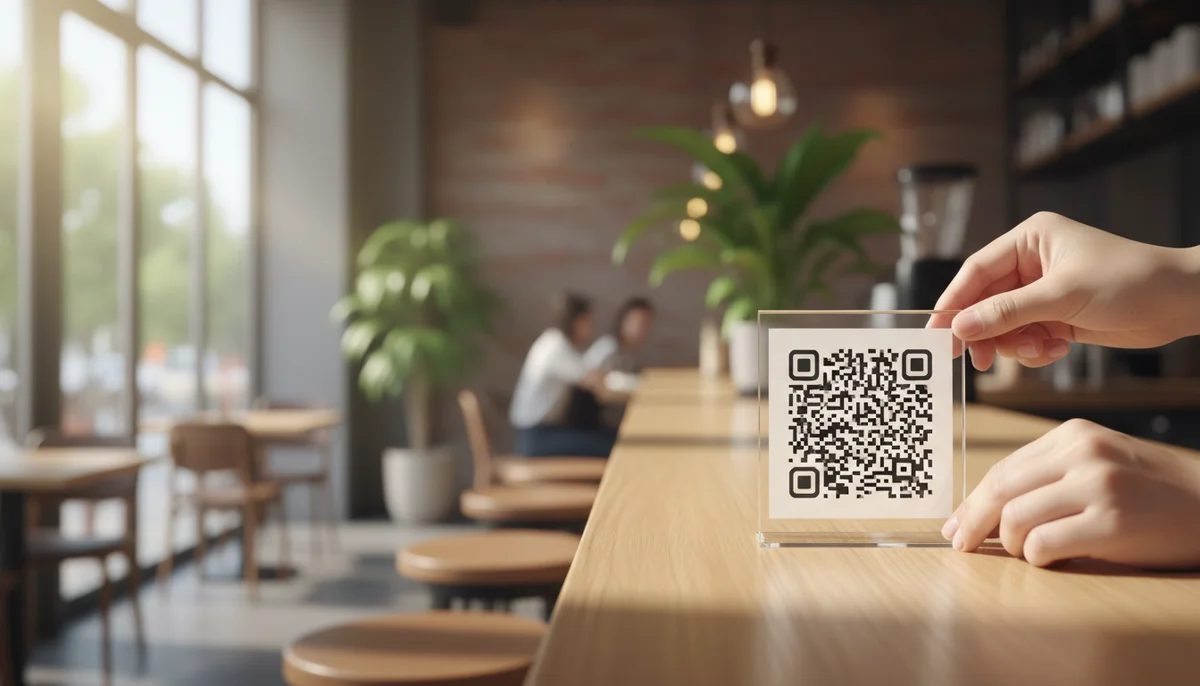
Optimal QR Code Placement: Where to Put Them for Success
Discover optimal QR code placement strategies to boost engagement and scans. Learn where to effectively place QR codes for marketing, business, and events to maximize you
Where to Place QR Codes: The Ultimate Guide to Maximizing Your Scans
You've crafted the perfect QR code, linking to an enticing offer, valuable content, or a seamless user experience. But if your scan rates are near zero, the problem likely isn't the code itself; it's the qr code placement. A QR code on a speeding bus is as useless as one hidden in a basement. Effective placement isn't just about visibility; it's about context, user intent, and optimizing the path from scan to conversion.
This comprehensive guide moves beyond the obvious, detailing data-backed strategies and expert insights for placing QR codes that actually get scanned, ensuring your digital marketing efforts translate into tangible results.
Ensuring Physical Scanability: The Foundation of Effective Placement
Before diving into strategic locations, it's critical to understand the physical requirements for a scannable QR code. A perfectly designed code is pointless if it can't be read by a smartphone.
- Visibility & Accessibility: The first rule of qr code placement is that it must be seen. Place your QR code at eye level, ensuring a clear, unobstructed line of sight. Consider the user's journey: Are they walking, standing, or sitting? Can they comfortably reach the code, or hold their phone steadily enough to scan it without contorting? Avoid placing codes in areas with poor lighting, harsh reflections, or behind glass that creates glare.
- Size & Scanability: The size of your QR code directly correlates with the distance from which it can be scanned. A good rule of thumb is the 1:10 ratio: for every 10 units of distance the scanner will be from the code, the code itself should be at least 1 unit in size. For instance, if your code is expected to be scanned from 10 feet away, it should be at least 1 foot square.
- Minimum Size: Generally, a QR code should be at least 1 x 1 inch (2.5 x 2.5 cm) for close-range scans.
- Quiet Zone: Always ensure there's a clear, empty margin (quiet zone) around the QR code, typically four times the width of a single module (the small squares within the code). This helps scanners differentiate the code from its surroundings.
- Contrast & Material: High contrast between the QR code and its background is essential. Dark codes on light backgrounds are ideal. Avoid busy patterns or similar colors that can interfere with scanning algorithms. The material you print on also matters. Matte finishes are preferable to glossy ones, which can cause reflections and make scanning difficult.
- Mobile Optimization: No matter where your QR code is placed, the destination page it links to must be mobile-optimized. A clunky, slow-loading, or non-responsive webpage will instantly frustrate users and negate all your efforts in strategic placement. Ensure a seamless experience from scan to content consumption.
Dynamic vs. Static QR Codes for Placement Strategy
The type of QR code you use significantly impacts your placement strategy and campaign flexibility.
- Static QR Codes: These codes directly embed the destination data (like a URL) within their pattern. Once generated and printed, the destination cannot be changed. This makes them suitable for permanent information, like a company's main website on a business card. However, they offer no tracking capabilities, making it impossible to measure the effectiveness of different placements.
- Dynamic QR Codes: These codes redirect through a short URL managed by a QR code generator. This means the destination URL can be changed at any time, even after the code is printed. This flexibility is invaluable for A/B testing various placements, updating content without reprinting, and running time-sensitive promotions. Our platform allows you to create Dynamic QR Codes which are crucial for adaptive campaigns and robust QR Code Analytics. You can track scan location, device type, and time, providing critical data to refine your qr code placement strategy.
Practical Examples: Strategic QR Code Placement Across Industries
The most effective qr code placement capitalizes on the user's context, intent, and available dwell time. Here are industry-specific examples:
Retail & Point-of-Sale (POS)
Retail environments offer numerous opportunities to integrate QR codes for enhanced customer engagement and sales.
- Product Packaging & Labels:
- Use Case: Link to product details, user manuals, recipe ideas, loyalty programs, or customer reviews.
- Placement: Directly on the product packaging, ensuring it's clearly visible without obscuring essential information. For large-scale production, a Bulk QR Generator can create unique codes for each item, allowing for granular tracking.
- Pro Tip: Place QR codes for product reviews or supplemental information on the left side of shelf displays or packaging. Eye-tracking studies show this is often where a shopper's gaze first lands, increasing the chance of a scan during the crucial consideration phase.
- Shelf Talkers & End-Cap Displays:
- Use Case: Promote discounts, demonstrate product features via video, or collect email sign-ups for future promotions.
- Placement: At eye level, next to the featured product.
- Checkout Counters:
- Use Case: Encourage app downloads, sign-ups for loyalty programs, or solicit immediate feedback on the shopping experience.
- Placement: On countertop stands or receipt holders, where customers have a few moments of idle time.
- Storefront Windows:
- Use Case: Showcase new arrivals, after-hours specials, link to online store, or allow appointment booking.
- Placement: At eye level, easily scannable from the sidewalk, ensuring no glare from lighting or reflections.
Hospitality (Restaurants, Cafes, Hotels)
QR codes can streamline operations, enhance guest experience, and boost loyalty in the hospitality sector.
- Table Tents & Menus:
- Use Case: Provide access to digital menus (use Restaurant Menu QR Codes), special offers, order and pay options, or links to online reservations.
- Placement: On every table, ideally within easy reach and clearly visible.
- Pro Tip: For restaurants, position the menu QR code near the top-center of a table tent. This maximizes visibility when guests first sit down and are actively looking for menu information, aligning with high user intent.
- Welcome Packs & Room Keys (Hotels):
- Use Case: Link to hotel services, local attractions, spa bookings, or digital concierge services.
- Placement: On welcome cards, key card sleeves, or in-room information binders.
- Guest Feedback Cards:
- Use Case: Direct guests to an online feedback form or review site.
- Placement: In guest rooms, on the back of receipts, or near exit points.
Events & Conferences
From lead generation to attendee engagement, QR codes are indispensable for events.
- Event Badges, Banners & Exhibition Stands:
- Use Case: Share contact info (vCard QR Codes), event schedules, speaker bios, or gather leads with Form QR Codes.
- Placement: On attendee badges (for networking), large banners (visible from a distance), or prominently on exhibition booths. Ensure codes on banners are large enough for the intended viewing distance.
- Pro Tip: On presentation slides, integrate a QR code for immediate access to supplementary materials (like a PDF of the presentation, a link to a video, or the speaker's LinkedIn). Place it in a corner of the slide that remains static, allowing attendees to scan at their leisure without disrupting the presentation.
- Information Booths:
- Use Case: Provide venue maps, FAQ, or links to real-time updates.
- Placement: On counter-top displays, easily accessible for attendees seeking information.
Marketing & Advertising
Traditional media can be supercharged with digital interaction via QR codes.
- Print Ads (Magazines, Brochures, Flyers):
- Use Case: Drive traffic to landing pages, exclusive content, sign-up forms, or social media profiles (Social Media QR Codes).
- Placement: Clearly visible near the call-to-action, with enough white space around it.
- Billboards & Posters:
- Use Case: Best for simple, high-impact calls to action like "Download App" or "Visit Website." The destination page needs to be extremely simple.
- Placement: High up and large enough to be scanned from a car (if stationary traffic) or sidewalk. Consider contexts where dwell time is higher (e.g., bus stops, train platforms) compared to fast-moving traffic.
- Pro Tip: For outdoor advertising like billboards, ensure the QR code links to a page with minimal content and a clear, single CTA. Viewers have limited time and attention; a complex page will result in abandonment. A direct link to an App Store QR Codes download or a simple contest entry form is ideal.
Business Cards & Networking
Connecting digitally through physical means.
- Business Cards:
- Use Case: Share digital contact details (vCard QR Codes), portfolio links, or social media profiles.
- Placement: On the back or a less cluttered area of the card.
- Pro Tip: Make the act of scanning your vCard QR code part of your in-person introduction. Instead of just handing a card, say, "Here's my card, and you can instantly save my contact details to your phone by scanning this QR code." This adds value and prompts immediate interaction.
- Email Signatures:
- Use Case: Link to your website, LinkedIn profile, or a specific marketing campaign.
- Placement: As part of your digital signature block.
Digital Screens
Integrating QR codes into digital experiences.
- Websites & Presentations:
- Use Case: Offer supplementary downloads (e.g., PDF QR Codes), link to an app download, or provide a quick way to save contact information.
- Placement: On landing pages for specific offers, at the end of presentations, or during webinars for interactive polls.
- Pro Tip: When displaying a QR code on a digital screen, such as during a webinar or on a smart TV advertisement, always include a short, memorable URL as a fallback option. Not everyone can or wants to scan, and a visible URL ensures accessibility for all viewers.
- Digital Signage (e.g., Kiosks, Info Screens):
- Use Case: Provide directions, offer promotions, or link to event schedules.
- Placement: Prominently on the screen, considering the viewing distance and refresh rate of the content. Ensure sufficient display time for scanning.
Strategy & Implementation: Beyond Basic Placement
Strategic qr code placement requires planning, execution, and continuous refinement.
Crafting Your QR Code Marketing Campaign
- Define Your Objective: What do you want users to do after scanning? (e.g., visit website, download app, watch video, make a purchase). This dictates the content type (e.g., URL QR Codes, Video QR Codes, App Store QR Codes).
- Understand Your Audience & Context: Where will your audience be when they see the QR code? What's their likely mindset? (e.g., hurried, curious, waiting). This directly informs optimal placement.
- Create Engaging Content: The destination content must be high-quality, relevant, and provide immediate value. A great QR code with a poor landing page is a wasted opportunity.
- Design for Brand Consistency: Use Custom QR Design options to incorporate your brand colors and logo. This builds trust and enhances recognition.
- Choose the Right Type of QR Code: Opt for dynamic codes whenever possible to leverage tracking and update flexibility.
Common QR Code Placement Mistakes to Avoid
Even seasoned marketers can make errors. Here are critical pitfalls to sidestep:
- Too Small or Too Far Away: The most common mistake. If it's too small for the scanning distance, it simply won't work.
- Poor Lighting or Reflective Surfaces: Glare from lights or reflections off glossy surfaces can make codes unreadable.
- No Internet Connectivity: Placing a QR code in a subway tunnel or a remote area without Wi-Fi or cellular service renders it useless.
- No Clear Call-to-Action (CTA): People need to know why they should scan. Always include a compelling CTA like "Scan for 10% Off!" or "Scan to See Our Menu."
- Non-Mobile-Optimized Landing Pages: This is a user experience killer. Ensure the destination is responsive and loads quickly on smartphones.
- On Moving Objects (without context): A QR code on the side of a fast-moving bus is nearly impossible to scan. Better to place them at bus stops or on stationary elements of the vehicle.
- Hidden or Obscured Codes: Don't place codes where they can be accidentally covered, ripped, or where people don't naturally look.
Leveraging QR Code Analytics for Optimal Placement
The true power of qr code placement lies in its measurability, especially with Dynamic QR Codes. Our QR Code Analytics dashboard provides invaluable insights:
- Track Scan Locations: Pinpoint where your codes are being scanned most frequently. This data can confirm effective placements or highlight underperforming areas.
- Monitor Scan Times: Understand when your audience is most engaged. Are evening scans higher for a restaurant menu, or midday scans for a business flyer?
- Device Insights: Learn which devices are scanning your codes, informing your mobile optimization efforts.
- A/B Testing Placements: This is where analytics shine. For example, a cafe client used QR-Build's analytics to A/B test a loyalty app QR code. They created two unique dynamic QR codes pointing to the same destination. One was placed on table tents, and the other on the front door. After two weeks, the code on table tents achieved a 300% higher scan rate than the code on the front door, proving that in-moment context with high dwell time was the critical factor for success. This data-backed insight allowed the cafe to optimize all future loyalty QR code placements.
- Iterative Optimization: Use the insights from your analytics to continuously refine your qr code placement strategy. Remove underperforming codes, replicate successful placements, and test new ideas.
Choosing the Right QR Code Generator
The foundation of any successful QR code campaign is a reliable and feature-rich QR code generator. Look for:
- Dynamic QR Codes: Essential for flexibility, tracking, and long-term campaigns.
- Analytics Dashboard: To measure performance and optimize placement.
- Customization Options: Brand colors, logos, and shapes to maintain brand identity.
- Variety of QR Code Types: Support for URL, PDF, vCard, Social Media, App Store, and more.
- Scalability: Features like a Bulk QR Generator for high-volume needs, or an QR Code API for automated integration.
- User-Friendly Interface: An intuitive platform makes creation and management effortless.
Conclusion
Effective qr code placement is the cornerstone of any successful QR code marketing campaign. It demands a thoughtful approach, combining fundamental design principles with a deep understanding of user behavior and context. By strategically choosing where, how, and when to deploy your QR codes, you transform a simple scan into a powerful touchpoint in your customer journey.
Move beyond guesswork and embrace data-driven decisions. Ready to deploy QR codes with confidence? Start creating, managing, and tracking your campaigns with QR-Build. Unlock powerful analytics and discover the perfect placement for maximum engagement, turning every scan into a conversion.
Ready to Get Started?
Explore our tools to enhance your QR code workflow
Free QR Code Generator
Create unlimited QR codes for free with our easy-to-use generator. No signup required.
Start CreatingTeam Workspace
Collaborate with your team on QR code projects. Share templates, manage permissions, and track usage.
Explore TeamsQR Code API
Integrate QR code generation into your applications with our RESTful API. Unlimited requests, high performance.
Explore APIAll tools are available with a free plan to get you started
Frequently Asked Questions
Find quick answers to common questions about this topic
What are the best places to put QR codes for marketing?
Effective marketing placement includes product packaging, posters, flyers, business cards, billboards, and digital screens, ensuring visibility and easy scanning by your target audience.
Should QR codes be placed high or low?
QR codes should be placed at eye-level or within easy reach (between 3 to 5 feet off the ground) to ensure comfort and accessibility for scanning by most users without stretching or bending.
How big should a QR code be for optimal scanning?
The ideal size depends on the viewing distance, but generally, a QR code should be at least 1 x 1 inch (2.5 x 2.5 cm) for close-range scanning, scaling up for larger distances such as billboards.
Are there places where QR codes should NOT be placed?
Avoid placing QR codes on moving objects, highly reflective surfaces, or areas with poor lighting. Also, do not place them where they can be easily obscured or are too far for a quick, comfortable scan.
How does dynamic QR code placement affect analytics?
Dynamic QR codes allow you to track scans in real-time, regardless of where they are placed. This data helps you optimize your placement strategies and understand engagement from different physical locations or campaigns.
Related Articles
Continue exploring QR code strategies and best practices
QR Code Offline Marketing: Drive Engagement Beyond Digital
Discover how QR codes revolutionize offline marketing. Learn strategies to connect physical and digital campaigns, track engagement, and boost ROI with dynamic QR codes.
How to Track QR Code Scans for Campaign Success
Learn how to track QR code scans effectively with real-time analytics to measure campaign performance and optimize your marketing efforts. Understand key metrics.
What are the Main QR Code Types? Static, Dynamic & More
Explore the different QR code types, from static to dynamic. Learn their unique features, benefits, and best uses for business with QR-Build.
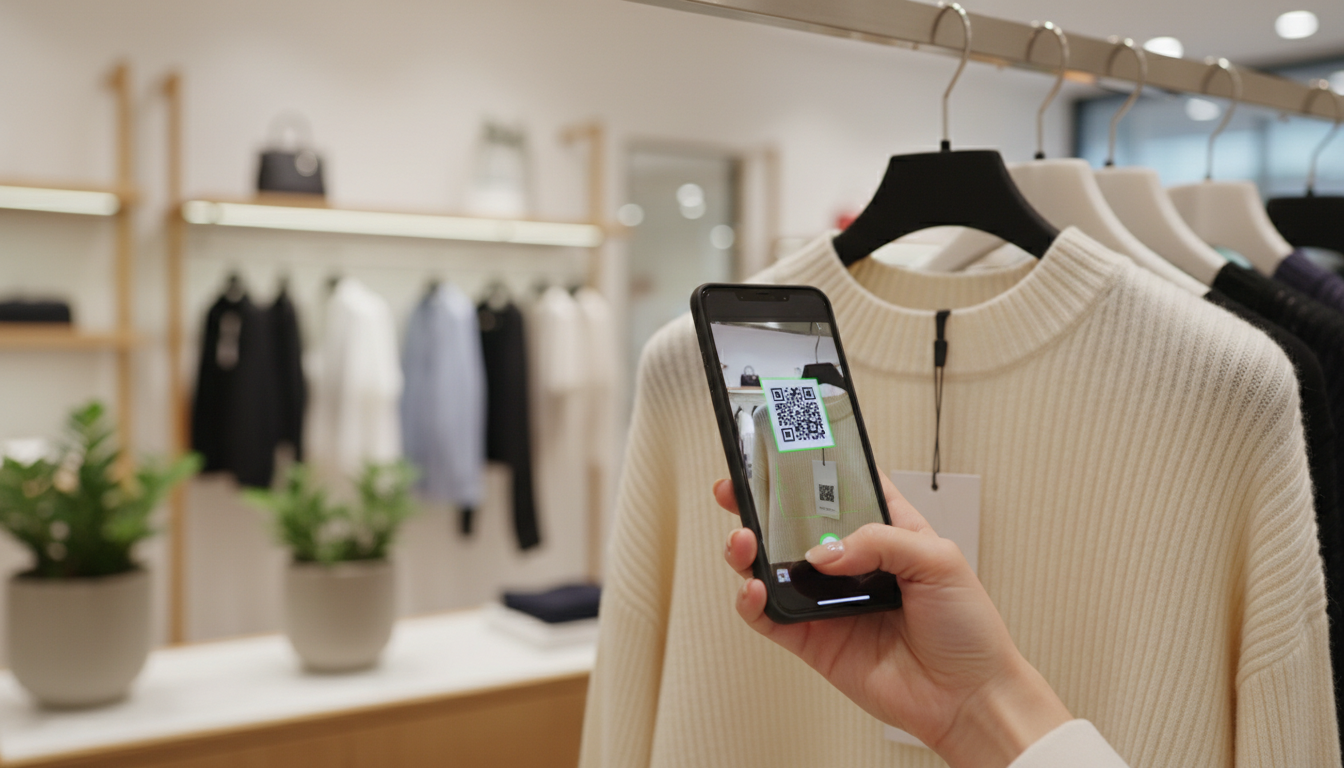
Boost Your Sales: Essential QR Code Retail Marketing Strategies
Elevate your retail strategy with QR code marketing. Learn how dynamic QR codes enhance customer engagement, track campaigns, and drive sales in your store. Explore innov
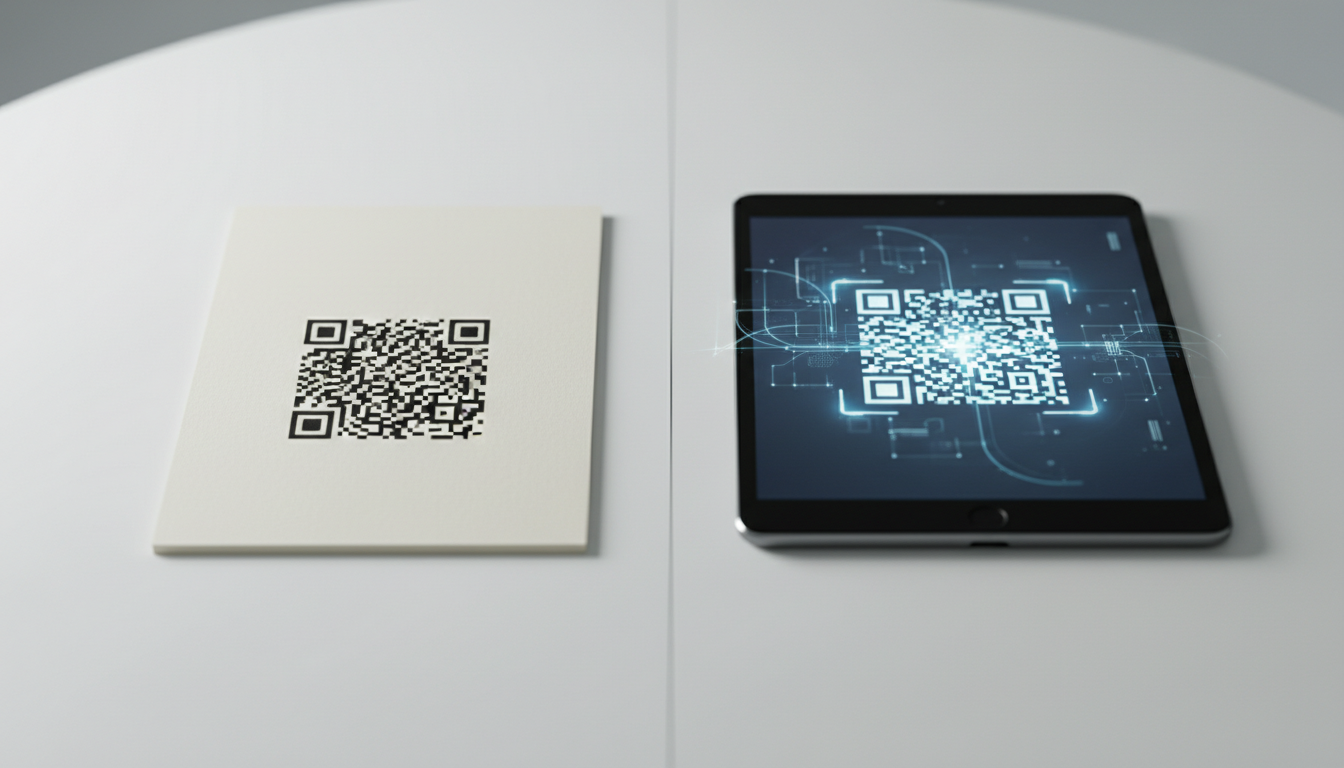
Static vs Dynamic QR Code Explained: Benefits of Dynamic QR
Understand static vs. dynamic QR codes. Learn the benefits of dynamic QR codes for marketing, tracking, and content updates. Essential for modern campaigns.
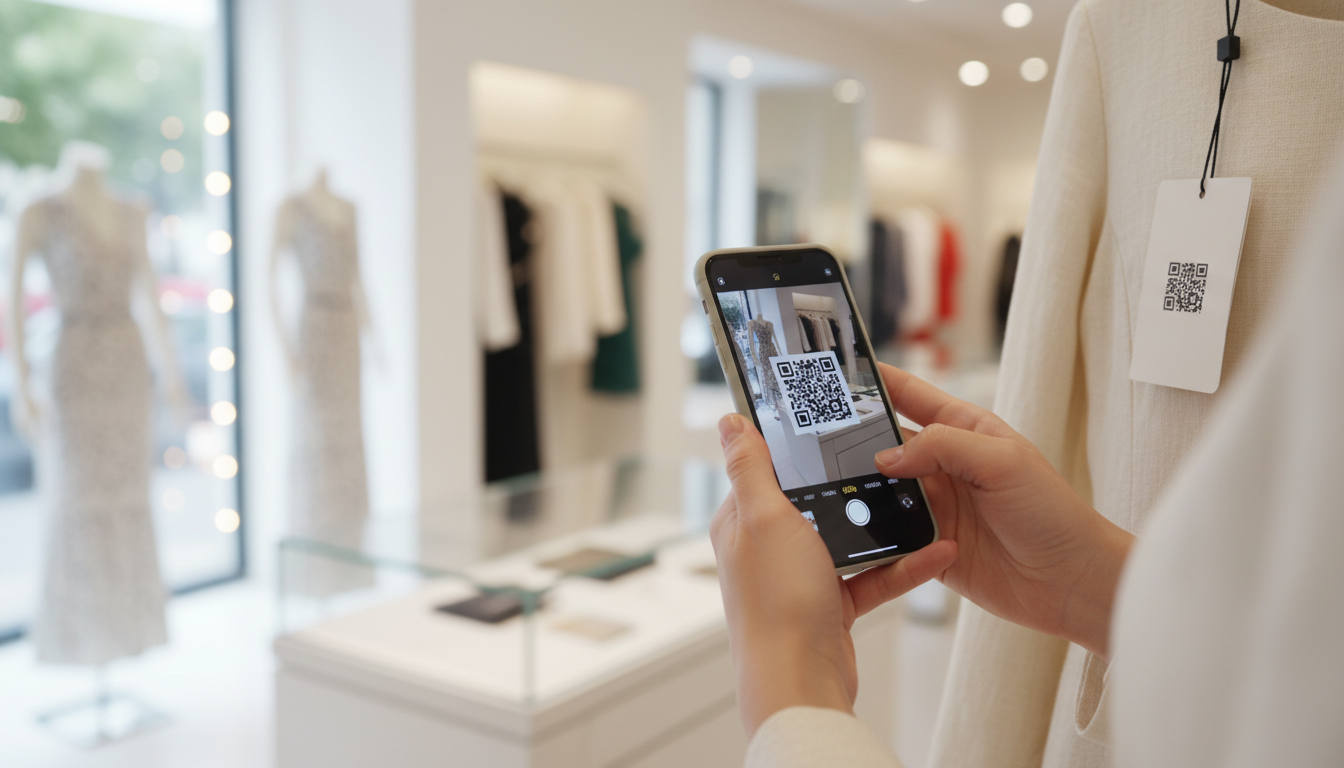
15 Creative QR Code Marketing Ideas for Your Business
Unlock new customer engagement with these innovative QR code marketing ideas. Learn how to track campaign performance with QR-Build's analytics.

QR Technology Specialist
Sarah has over 8 years of experience in digital marketing and QR code technology. She specializes in helping businesses implement effective QR code strategies.