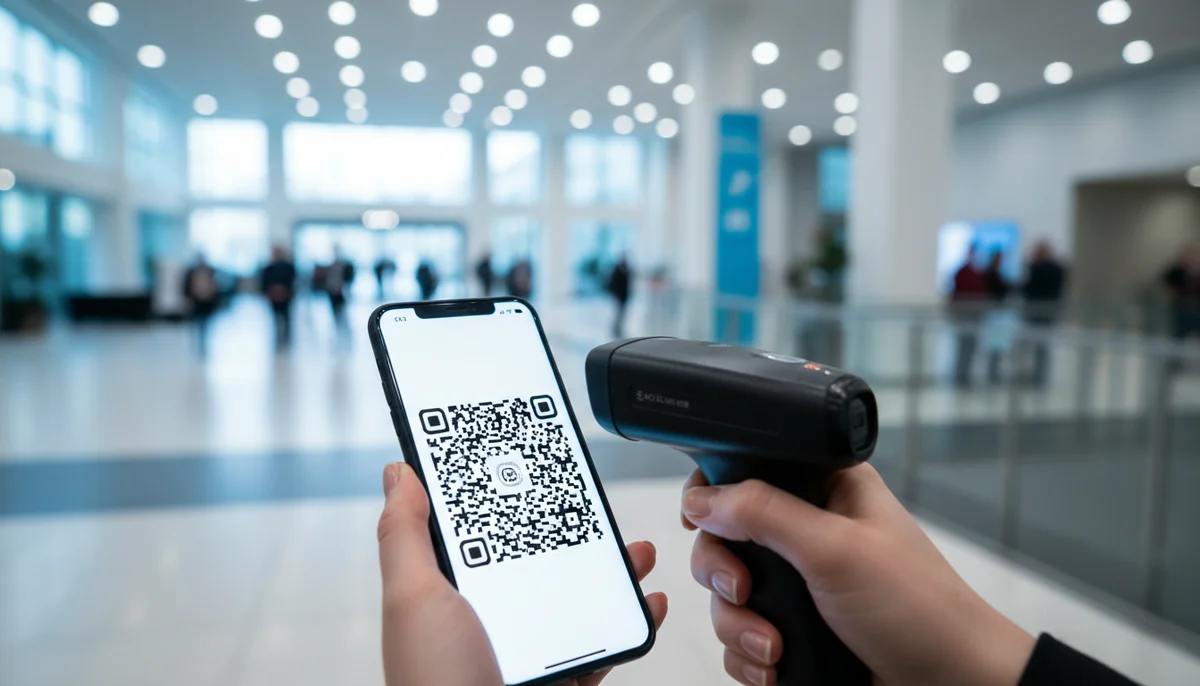
Boost Event Experience: Using QR Codes for Tickets & Access
Discover how event ticket QR codes enhance security, streamline entry, and provide valuable attendee insights. Learn to create dynamic, editable QR codes for seamless eve
QR Codes for Event Tickets: Revolutionizing Access and Engagement
Long queues, persistent ticket fraud, and a frustrating lack of real-time attendee data can undermine even the most meticulously planned events. These persistent challenges not only diminish the attendee experience but also hinder event organizers' ability to adapt and improve. Fortunately, a robust event ticket QR code system is your primary weapon against these hurdles, streamlining entry, enhancing security, and unlocking invaluable insights into your audience.
In today's fast-paced digital landscape, attendees expect seamless experiences. QR codes, with their instant scan capabilities and versatility, offer a modern solution that transcends traditional paper or basic barcode systems. They are not merely entry passes; they are powerful tools for engagement, data collection, and operational efficiency, transforming the entire event lifecycle from registration to post-event analysis.
Why QR Codes Are Essential for Modern Event Ticketing
Embracing QR codes for your event ticketing strategy isn't just about keeping up with technology; it's about fundamentally improving how your events operate and how attendees interact with them. The benefits extend far beyond simple entry.
Enhanced Security and Fraud Prevention
One of the most critical advantages of using QR codes for tickets is their inherent security. Each event ticket QR code can be unique, linked to a specific attendee and ticket ID.
- Unique Identifiers: Every QR code contains encoded data that can be verified against a database in real-time.
- Dynamic Security Features: Advanced platforms allow for dynamic QR codes that can change, expire, or be deactivated instantly if a ticket is reported lost or stolen. This dramatically reduces the risk of duplication and unauthorized entry, a common problem with static barcodes.
- Real-time Validation: Scanning devices can instantly check the validity of a QR code against a central system, preventing fraudulent re-entry or the use of invalid tickets.
Streamlined Entry and Reduced Queues
Efficiency at the gate is paramount for attendee satisfaction. Long lines are a notorious pain point.
- Rapid Scanning: QR codes can be scanned much faster than manual checks or even traditional barcodes, leading to quicker throughput.
- Mobile-First Approach: Attendees can present their QR code directly from their smartphones, eliminating the need for physical tickets and reducing paper waste.
- Dedicated Entry Lanes: Events can implement express lanes for QR code holders, further optimizing entry flow.
Rich Data Collection and Insights
Beyond entry, QR codes are a goldmine for data. Each scan captures valuable information, offering unprecedented visibility into attendee behavior.
- Attendance Tracking: Accurately track who attended, when they arrived, and even which specific areas or sessions they accessed if multiple scanning points are deployed.
- Demographic Analysis: Correlate attendance data with registration information to understand your audience better.
- Behavioral Patterns: For multi-stage events, tracking QR code scans at different access points can reveal popular areas, session attendance, and traffic flow patterns.
- Post-Event Optimization: This data is crucial for refining future events. Through robust QR Code Analytics, organizers can identify peak entry times, evaluate the popularity of different event zones, and understand the effectiveness of various ticket tiers or promotions.
Dynamic Updates and Communication
Traditional tickets are static. QR codes, especially dynamic ones, offer a channel for ongoing communication.
- Real-time Information: Even after a ticket is issued, the content linked to a Dynamic QR Code can be updated. This means you can provide attendees with real-time schedule changes, venue maps, emergency alerts, or speaker updates directly through their existing ticket QR code.
- Pre-Event Reminders: Link the QR code to a personalized landing page with countdowns, pre-event FAQs, or transport information.
- Event Day Perks: Offer last-minute promotions or exclusive content accessible only by scanning the QR code, enhancing the attendee experience.
Sustainable and Cost-Effective
Going digital with QR codes has significant environmental and financial benefits.
- Reduced Printing Costs: Eliminate the need for printing physical tickets, saving on paper, ink, and associated logistics.
- Lower Distribution Expenses: Digital tickets are delivered instantly via email or app, cutting mailing and handling costs.
- Environmental Impact: A paperless system aligns with eco-friendly initiatives, appealing to a growing segment of environmentally conscious attendees.
Understanding Different Types of Event Ticket QR Codes
When implementing an event ticket QR code system, understanding the distinction between static and dynamic QR codes is crucial. Each offers different capabilities that impact the flexibility and intelligence of your ticketing solution.
Static QR Codes: Simplicity for Fixed Information
A static QR code, once generated, stores fixed data directly within its pattern. This means the destination URL or information cannot be changed after creation.
- Best for: Simple, unchanging information like a link to a fixed event page that won't require updates, or a plain text ticket ID for very basic validation.
- Limitations: No tracking capabilities, no post-creation content updates, and less secure as the underlying URL or data is embedded permanently. If the link breaks, the QR code becomes useless.
Dynamic QR Codes: The Powerhouse for Events
Dynamic QR Codes are the superior choice for professional event ticketing. Instead of embedding the destination data directly, a dynamic QR code stores a short URL that redirects to your target content. This proxy URL can be updated at any time, even after the QR code has been distributed.
- Flexibility: Change the destination of the QR code after printing or distribution. If your event schedule shifts or a venue map needs updating, you can simply change the linked content without reissuing tickets.
- Tracking and Analytics: Crucially, dynamic QR codes enable comprehensive QR Code Analytics. You can monitor scan rates, locations, devices used, and unique vs. total scans. This data is invaluable for understanding attendee behavior and measuring campaign effectiveness.
- Enhanced Security: Dynamic QR codes can be linked to a central database for real-time validation, expiring after a single scan or at a specific time. This makes them significantly more secure against fraud.
- Personalization: Each attendee can receive a dynamic QR code that links to a personalized landing page, showing their specific ticket details, unique perks, or even a personalized event itinerary.
Building Your Event Ticket QR Code System: A Step-by-Step Guide
Implementing a robust QR code ticketing system requires careful planning and the right tools. Here's how to set it up effectively.
1. Choosing the Right QR Code Generator
The foundation of your system is a reliable QR code generator. While a basic Free QR Code Generator might suffice for very small, simple events, professional event organizers need a platform with advanced features. Look for:
- Dynamic QR Code capabilities: Essential for flexibility and analytics.
- Bulk generation: For creating thousands of unique ticket QR codes efficiently.
- API integration: For seamless connection with existing ticketing software.
- Security features: Options for single-scan, expiration, or custom validation rules.
- Analytics dashboard: To track scans and gather insights.
2. Generating Unique QR Codes at Scale
For any significant event, manual QR code creation is impractical. You'll need a solution for generating large volumes of unique codes.
- Bulk Generation Tools: A Bulk QR Generator allows you to upload a spreadsheet of ticket data (e.g., ticket ID, attendee name, email) and automatically generate a corresponding unique QR code for each entry. This is indispensable for events with hundreds or thousands of attendees.
- API Integration for Automation: For event organizers with their own custom ticketing platforms or CRM systems, utilizing a QR Code API is the most powerful approach. This allows your existing software to programmatically generate unique QR codes, link them to attendee data, and update their status in real-time, all without manual intervention. This ensures a fully integrated and automated workflow for large-scale operations.
3. Integrating QR Codes with Your Ticketing Platform
Once generated, your event ticket QR code needs to be seamlessly integrated into your existing ticketing or event management platform.
- Email Delivery: Automatically attach the unique QR code image to confirmation emails.
- Mobile Wallet Integration: Provide an option for attendees to add their ticket QR code to Apple Wallet or Google Pay for easy access.
- In-App Display: If you have an event app, integrate the QR code directly into the attendee's profile for quick retrieval.
- Printable PDF: Offer a downloadable PDF ticket with the QR code for those who prefer a physical copy.
4. Designing and Customizing Your QR Codes
While the functionality is key, the aesthetics of your QR codes also matter. A branded QR code enhances professionalism and trustworthiness.
- Brand Integration: Use a Custom QR Design tool to incorporate your event's logo, brand colors, and unique patterns into the QR code itself.
- Clear Call to Action: Ensure any surrounding text or graphics clearly indicate what the QR code is for (e.g., "Scan for Entry").
- Optimal Size and Placement: Ensure the QR code is large enough to be easily scanned but doesn't overwhelm the ticket design. Consider high-contrast colors for readability.
5. Implementing Secure QR Code Validation
The entry point is where security and efficiency are truly tested.
- Dedicated Scanning App: Provide event staff with a reliable scanning app (often included with advanced QR code platforms) that links to your central database.
- Real-time Database Lookup: Each scan should trigger a real-time check:
- Is the ticket valid?
- Has it already been scanned?
- Does it match the expected attendee (if ID verification is part of your process)?
- Offline Mode (Optional): For areas with unreliable internet, ensure your scanning solution has an offline mode that can sync data once connectivity is restored.
- Access Control with Team Workspaces: For larger events, use a platform with Team Workspace functionality. This allows you to create different roles and permissions for your staff, ensuring that gate personnel only have access to the necessary scanning tools and data, without compromising the overall system security.
6. Leveraging QR Code Analytics for Post-Event Insights
The work doesn't end when the last attendee leaves. The data collected by your QR Code Analytics platform is invaluable.
- Attendance Reports: Generate detailed reports on attendance rates, peak entry times, and no-show percentages.
- Heat Maps: For multi-zone events, analyze where and when attendees scanned into different areas to understand traffic flow and popular zones.
- Campaign Performance: If you used QR codes in marketing, track which campaigns drove the most scans and conversions.
- Attendee Segmentation: Use the data to segment your audience for future targeted marketing efforts.
Practical Applications and Business Use Cases
The versatility of event ticket QR codes extends across a multitude of event types, each benefiting from their unique capabilities.
Music Festivals: VIP Access and Interactive Maps
- Use Case: A major music festival uses dynamic QR codes for tiered ticketing (General Admission, VIP, Backstage Pass).
- Implementation: Each ticket QR code is linked to a unique access level. VIP ticket holders, upon scanning their code at a dedicated entry, are redirected to an interactive festival map highlighting VIP areas, exclusive lounges, and faster bar lines. The dynamic nature allows organizers to update the map or special offers in real-time.
- Benefit: Enhanced attendee experience, efficient crowd management, and personalized service delivery.
Conferences and Trade Shows: Networking and Session Tracking
- Use Case: A large industry conference aiming to improve networking and track session attendance.
- Implementation: Attendee badges feature an Event QR Code that, when scanned by other attendees, automatically opens a digital business card (vCard) for contact exchange. Separate QR codes at each session room allow attendees to scan for entry, automatically marking their attendance and providing access to post-session materials like PDFs or speaker videos via a PDF QR Code or Video QR Code.
- Benefit: Facilitates professional networking, provides accurate attendance data for sessions, and delivers valuable resources effortlessly.
Sporting Events: Fan Engagement and Merchandise Discounts
- Use Case: A professional sports team wants to boost fan engagement and concession sales.
- Implementation: The event ticket QR code on each digital ticket, when scanned at the stadium entrance, not only grants access but also triggers a push notification or directs the fan to a special landing page. This page might offer a 10% discount on merchandise via a Coupon QR Code, an exclusive team video, or a poll for Man of the Match. During the game, additional QR codes on jumbotrons or programs can link to live stats or social media contests using Social Media QR Codes.
- Benefit: Drives additional revenue, enhances the fan experience, and provides valuable data on fan preferences.
Private Events: Exclusive Invitations and Attendance Tracking
- Use Case: A high-profile gala dinner or an exclusive product launch with a strict guest list.
- Implementation: Personalized invitation emails include an Event QR Code unique to each invited guest. Upon arrival, the QR code is scanned for immediate validation against the guest list. This ensures only authorized individuals enter and provides precise attendance records. The dynamic nature allows for real-time guest list updates or last-minute dietary preference checks.
- Benefit: Maintains exclusivity, ensures high security, and provides accurate attendance for capacity management and follow-up.
Advanced Strategies for Maximizing Your QR Code Campaigns
Beyond just ticketing, QR codes can be woven into every fabric of your event marketing and execution for maximum impact.
Pre-Event Engagement: Beyond the Ticket
Your event ticket QR code can start working for you long before the event day.
- Marketing Material: Integrate QR codes into flyers, posters, and digital ads. A URL QR Code could link to your event registration page, while a Video QR Code could link to a promotional teaser video.
- Early Bird Perks: Offer exclusive content or discounts via QR codes for early registrants.
- Social Media Buzz: Use Social Media QR Codes on all promotional materials, directing interested attendees to your event's Facebook, Instagram, or LinkedIn pages to build community.
On-Site Experience: Enhancing the Event Flow
Once attendees are inside, QR codes can continue to guide and inform them.
- Interactive Maps: Place QR codes at information booths or throughout the venue, linking to interactive maps with GPS navigation to stages, restrooms, and food vendors.
- Agenda and Speaker Bios: QR codes at session entrances can provide instant access to the day's agenda, speaker bios, and presentation slides.
- Feedback Collection: After sessions or at exit points, use QR codes to solicit instant feedback via a Form QR Code, capturing attendee sentiments while they are still fresh.
- Lead Generation for Exhibitors: Empower exhibitors with their own QR codes (e.g., vCard QR Codes or Business Page QR Codes) to easily share contact information or company details with interested attendees.
Post-Event Follow-Up: Retargeting and Feedback
The data collected through your QR code scans enables powerful post-event strategies.
- Personalized Follow-Up: Use attendance data to send tailored thank-you messages, surveys, or promotional offers for future events.
- Content Access: Link attendees to post-event resources, recordings, or photo galleries using their original ticket QR code or a new URL QR Code in a follow-up email.
- Loyalty Programs: Offer exclusive discounts or early bird access to next year's event to those who attended this year, delivered via a custom QR code.
Staff Training and Operational Efficiency
A seamless QR code system relies on well-trained staff and efficient processes.
- Clear Instructions: Provide clear, concise instructions and training for all staff responsible for scanning tickets or assisting attendees with QR code issues.
- Dedicated Support: Have a designated support team ready to troubleshoot scanning problems or invalid tickets.
- Utilize Team Workspaces: For larger events with multiple teams (e.g., entry, VIP services, security), leveraging a platform's Team Workspace allows you to grant specific permissions to each group. This means entry staff can only access the ticket validation tools, while managers have broader oversight, streamlining operations and enhancing security.
Conclusion: The Future of Event Access is Here
The days of cumbersome paper tickets and vulnerable barcode systems are rapidly fading. The adoption of the event ticket QR code represents a pivotal shift towards smarter, more secure, and more engaging event experiences. From preventing fraud and streamlining entry to gathering invaluable attendee data and fostering dynamic communication, QR codes empower event organizers to elevate every aspect of their operations.
By embracing robust QR code solutions, leveraging features like dynamic QR codes, bulk generation, powerful analytics, and strategic API integration, events can become more efficient, secure, and memorable. It's time to unlock the full potential of QR codes and usher in a new era of event management.
Ready to Get Started?
Explore our tools to enhance your QR code workflow
Free QR Code Generator
Create unlimited QR codes for free with our easy-to-use generator. No signup required.
Start CreatingTeam Workspace
Collaborate with your team on QR code projects. Share templates, manage permissions, and track usage.
Explore TeamsQR Code API
Integrate QR code generation into your applications with our RESTful API. Unlimited requests, high performance.
Explore APIAll tools are available with a free plan to get you started
Frequently Asked Questions
Find quick answers to common questions about this topic
What are the benefits of using QR codes for event tickets?
QR codes streamline entry, reduce fraud, and offer real-time attendee tracking. They enhance the guest experience by speeding up check-in and providing seamless access control, making events more efficient.
Can QR codes on tickets be scanned multiple times?
Dynamic QR codes can be configured for single-use or multiple scans, depending on event requirements. This flexibility allows for better control over access and prevents unauthorized re-entry, improving security.
How do dynamic QR codes improve event ticket management?
Dynamic QR codes allow event organizers to update ticket information, change venue details, or send announcements even after tickets are printed. They also provide detailed scan analytics for insights into attendee behavior.
What data can I track with event ticket QR codes?
With event ticket QR codes, you can track scan times, location of scans, unique vs. total scans, and even gather demographic data if integrated with registration systems. This data is crucial for post-event analysis.
Is it secure to use QR codes for high-profile event tickets?
Yes, QR codes enhance security by allowing unique, encrypted identifiers for each ticket. They significantly reduce the risk of counterfeiting and provide robust validation at entry points, ensuring event integrity.
Related Articles
Continue exploring QR code strategies and best practices

Event QR Code Generator Guide: Streamline Your Event Planning
Discover how to effortlessly create QR codes for your events using a powerful generator. This guide simplifies attendee management, ticket sales, and marketing for any ev

Dynamic QR Code Explained: What It Is, How It Works, & Benefits
Discover what a dynamic QR code is, how it works, and its key advantages for marketing and business. Learn why editable QR codes are essential for modern campaigns with Q
What are the Main QR Code Types? Static, Dynamic & More
Explore the different QR code types, from static to dynamic. Learn their unique features, benefits, and best uses for business with QR-Build.

QR Code Security: Are Your Scans Really Safe?
Explore QR code security risks and how to stay safe. Learn about common threats, best practices, and features in QR-Build that enhance QR code safety for businesses.

Unlock Growth: QR Codes in Business for Modern Engagement
Discover how QR codes revolutionize business operations, marketing, and customer engagement. Explore essential QR code business uses to drive efficiency and boost your br

Boost Your Business: Creative QR Code Marketing Ideas for Success
Uncover 15 innovative QR code marketing ideas to transform your campaigns and engage customers. Learn how to leverage QR codes for promotions, lead generation, and enhanc

QR Technology Specialist
Sarah has over 8 years of experience in digital marketing and QR code technology. She specializes in helping businesses implement effective QR code strategies.