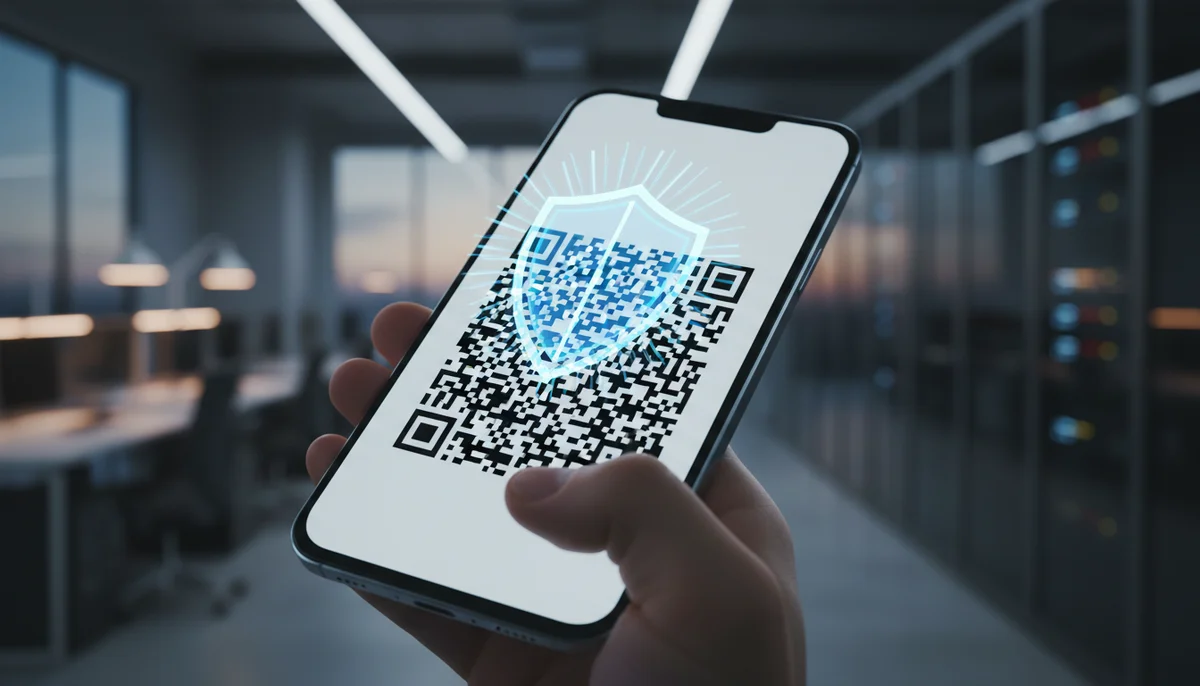
Enhancing QR Code Data Protection: Security Best Practices
Discover essential strategies for QR code data protection. Learn how to secure your QR codes, prevent unauthorized access, and ensure user privacy with QR-Build's robust
Elevating Your Digital Defenses: A Deep Dive into QR Code Data Protection
QR codes have transcended novelty, becoming indispensable tools in marketing, operations, and customer engagement. From contactless payments to digital menus and seamless information sharing, their ubiquitous presence streamlines countless interactions. However, this convenience also introduces a critical area of concern for businesses and consumers alike: QR code data protection. As advanced users and digital strategists, understanding and mitigating the security risks associated with QR codes is paramount. This article delves into the sophisticated strategies and practical implementations required to safeguard your data and maintain trust in an increasingly QR-driven world.
The Evolving Landscape of QR Code Security Threats
Before implementing robust defenses, it’s essential to grasp the various attack vectors and vulnerabilities that can compromise QR code campaigns. The simplicity of QR codes can sometimes mask complex underlying digital pathways, making them attractive targets for malicious actors.
Common Threats and Vulnerabilities:
- Malicious Redirection (QRishing): This is arguably the most prevalent threat. Attackers embed a legitimate-looking QR code with a URL that redirects users to phishing sites, malware downloads, or credential-harvesting pages. Users, expecting a benign experience, may inadvertently compromise their devices or personal information.
- Data Leakage via Embedded Information: While less common in public-facing QR codes, some internal or specialized QR codes might embed sensitive data directly, such as WiFi passwords (WiFi QR Codes), API keys, or plain text containing proprietary information (Plain Text QR Codes). If these codes fall into the wrong hands, the data is immediately exposed.
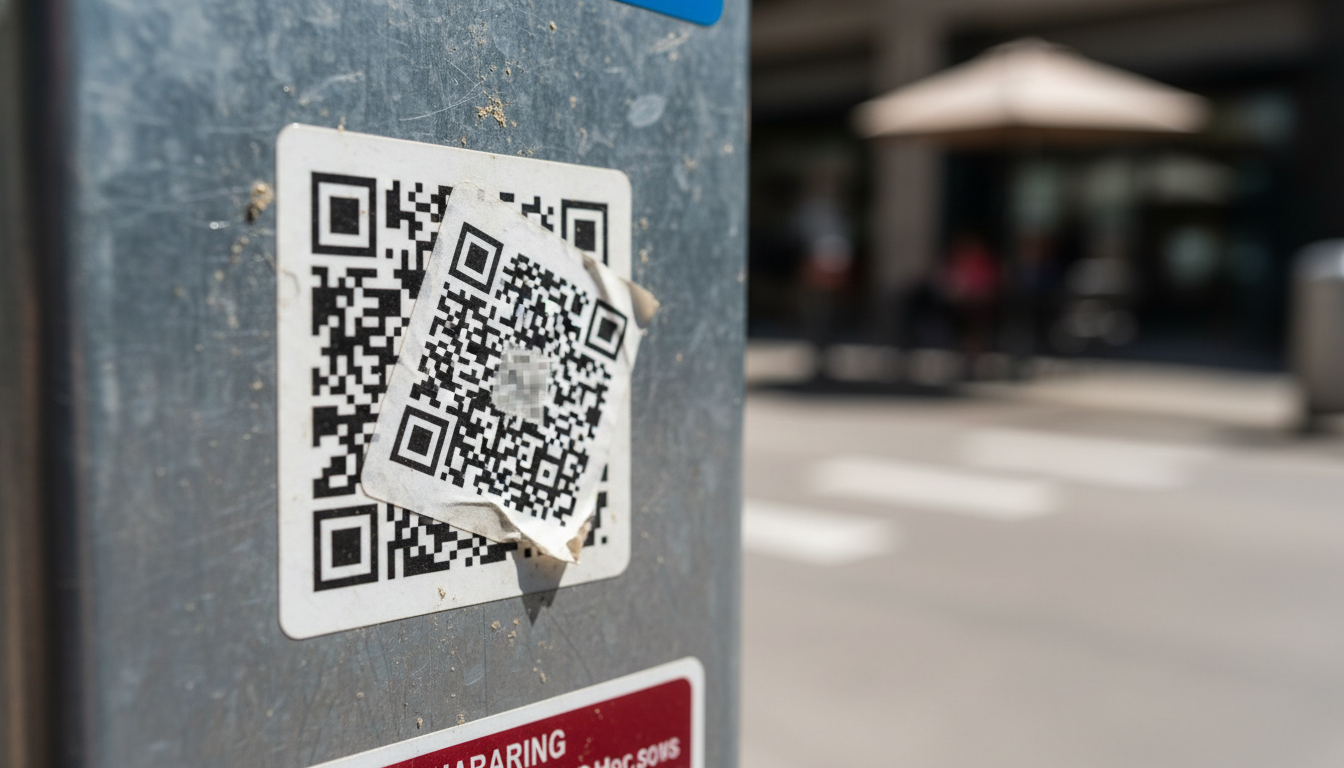
- QR Code Tampering and Physical Replacement: Malicious actors can physically cover legitimate QR codes with their own fraudulent ones, or digitally alter images of QR codes online. This "man-in-the-middle" approach is particularly insidious because the user has no visual cue of the compromise until it's too late.
- Vulnerabilities in QR Code Generators and Platforms: Not all QR code services are created equal. Insecure QR code generators or platforms with weak security protocols can be exploited, leading to compromised QR codes, data breaches, or unauthorized access to campaign analytics.
- Lack of Encryption for Sensitive Payloads: For QR codes that directly embed data (rather than linking to a URL), if that data is sensitive and not encrypted, it becomes a clear text vulnerability. While rare for standard marketing, this is a concern for specialized applications.
Static vs. Dynamic QR Codes: A Foundation for Security
The choice between static and dynamic QR codes is fundamental to robust QR code data protection. Understanding their differences is the first step towards a secure strategy.
Static QR Codes: Fixed and Unchangeable
Static QR codes directly embed their destination data (e.g., a URL, text, contact information) into the code pattern itself. Once generated, this data cannot be changed.
- Security Implications: If a static QR code links to a compromised URL, or if the embedded data becomes outdated or insecure, there is no way to update it without printing a new code. This lack of flexibility poses a significant security risk, especially for long-term deployments.
Dynamic QR Codes: Flexible and Secure
Dynamic QR Codes act as a redirector. The QR code itself points to a short URL managed by a QR code platform. This short URL then redirects users to the final destination.
- Key Security Advantages:
- Real-time Updates: If a linked page is compromised or needs updating, the destination URL can be changed on the QR code platform without altering the physical QR code. This allows for immediate remediation of security threats.
- Monitoring and Analytics: Dynamic QR codes often come with built-in QR Code Analytics, allowing businesses to track scan locations, times, and devices. Anomalous scan patterns can indicate potential security breaches or misuse.
- Access Control: Some advanced dynamic QR code platforms allow for password protection or time-sensitive access to the linked content, adding an extra layer of security.
- Scalability for QR Code Campaigns: Managing hundreds or thousands of QR codes for various marketing campaigns becomes feasible and secure with dynamic codes, as a single dashboard can control all linked destinations.
Implementing Secure QR Code Data Protection Strategies
Building a resilient QR code security posture requires a multi-faceted approach, integrating technology, policy, and user education.
1. Secure Platform Selection and Management
The foundation of secure QR code usage lies in choosing a reputable and secure QR code generator and management platform.
- Vendor Due Diligence: Evaluate providers based on their security certifications (e.g., ISO 27001), data privacy policies (GDPR, CCPA compliance), and infrastructure. A reliable platform should offer HTTPS encryption for all generated URLs and robust server security. While a Free QR Code Generator can be a starting point for simple, non-sensitive applications, enterprise-grade solutions are crucial for advanced and data-sensitive QR code marketing.
- Access Control and Permissions: For teams managing QR code campaigns, implement strict access controls. Utilize a Team Workspace that allows assigning roles and permissions, ensuring only authorized personnel can create, edit, or delete QR codes and access analytics. This prevents internal misuse or accidental misconfigurations.
- API Integration Security: If using a QR Code API for bulk generation or integrating QR code functionality into your existing systems, ensure API keys are securely managed, access tokens are short-lived, and all API calls are made over HTTPS.
2. Data Encryption and Secure Hosting for Linked Content
While QR codes themselves don't inherently encrypt data (unless specifically designed with an encrypted payload, which is rare for standard usage), the content they link to absolutely must be secure.
- Always Use HTTPS: Ensure all URLs linked by your QR codes use HTTPS. This encrypts the communication between the user's device and your server, protecting data in transit from eavesdropping and tampering.
- Secure Content Hosting: Host all linked content (PDFs, landing pages, videos, vCards) on secure, regularly audited servers. This includes ensuring server-side encryption for data at rest and employing firewalls and intrusion detection systems. For instance, if you're using PDF QR Codes, the PDF itself should be hosted on a secure server, and ideally, the PDF itself could be password protected for highly sensitive documents.
- Minimal Data Exposure: Only include necessary data. For example, when generating vCard QR Codes, consider what contact details are truly essential for public sharing versus internal use.
3. Proactive Monitoring and Incident Response
Vigilance is key to effective qr code data protection. Proactive monitoring can detect threats early, and a clear incident response plan ensures rapid remediation.
- Leverage QR Code Analytics: Regularly review your QR Code Analytics for unusual activity.
- Geographic Spikes: Are there sudden increases in scans from unexpected locations? This could indicate a malicious actor testing compromised codes.
- Referral Sources: Are scans originating from suspicious domains or apps?
- High Scan Counts on Obscure Codes: A code with few legitimate scans suddenly receiving thousands of hits might be compromised.
- Automated Security Scans: Implement tools to periodically scan the URLs linked by your dynamic QR codes for malware, phishing attempts, or expired SSL certificates.
- Incident Response Plan: Develop a protocol for handling QR code-related security incidents:
- Detection: How will you identify a compromised QR code or linked content?
- Containment: For dynamic QR codes, immediately update the destination URL to a warning page or revoke access. For static codes, notify users and remove the compromised physical code.
- Eradication: Remove the malicious content or re-secure the compromised system.
- Recovery: Restore normal operations and verify the fix.
- Post-Mortem Analysis: Understand how the breach occurred and update security measures accordingly.
4. User Education and Awareness
Even the most robust technical controls can be undermined by human error. Educating your audience and employees is a vital layer of defense.
- Public Awareness Campaigns: Educate customers on how to identify suspicious QR codes (e.g., poor print quality, codes pasted over existing ones). Advise them to verify the URL before proceeding after scanning.
- Internal Training: Train employees on secure QR code practices, especially those involved in QR Code Campaigns or using QR codes for internal processes. Teach them to:
- Only use approved QR code generators.
- Never link to unsecured or unknown websites.
- Report any suspicious QR codes encountered.
- Understand the difference between static and dynamic codes and when to use each.
Practical Examples and Business Use Cases
Let's look at how these principles translate into real-world scenarios for enhanced QR code data protection.
Example 1: Secure Event Ticketing and Access Control
A major conference uses QR codes for attendee check-in. Instead of embedding personal data, each ticket has a unique Dynamic QR Code that links to an authenticated endpoint on the event's server.
- Implementation:
- Attendee registers, receiving an email with their unique dynamic QR code.
- The QR code, when scanned by event staff, sends a request to a secure backend API (via QR Code API).
- The API validates the unique token embedded in the QR code's linked URL against the attendee database, checking for validity, entry status, and preventing duplicate scans.
- The API responds to the scanning device (e.g., a custom app) with confirmation or denial.
- Security:
- No sensitive PII is directly embedded in the QR code.
- All communication is encrypted via HTTPS.
- If a QR code is leaked, its status can be immediately revoked in the backend database.
- QR Code Analytics can track scan times and locations, flagging suspicious rapid successive scans from different locations.
Example 2: Product Authentication in Retail
A luxury brand uses QR codes to combat counterfeiting and provide supply chain transparency. Each product has a unique dynamic QR code.
- Implementation:
- A unique dynamic QR code is printed on each product's packaging.
- When a customer scans the code, it directs them to a secure landing page displaying the product's authenticity, manufacturing date, and batch number.
- The landing page is generated dynamically based on the unique ID embedded in the QR code's URL.
- Security:
- The dynamic nature allows the brand to update the landing page content or even invalidate a code if a product is reported stolen or counterfeit.
- The backend system tracks scan counts per QR code. Unusual scan patterns (e.g., thousands of scans from a single code within minutes) can indicate a replicated counterfeit, triggering an alert.
- This provides robust qr code data protection for both the brand's integrity and consumer trust.
Example 3: Secure Internal Document Access
A company needs to share sensitive internal documents, like HR policies or financial reports, securely with authorized personnel.
- Implementation:
- PDF QR Codes are generated for each document, but they link to a secure, internal document management system.
- The linked URL requires users to log in with their company credentials (SSO/MFA integration) before accessing the PDF.
- Access to these QR codes and their linked content is managed through the company's Team Workspace, ensuring only designated departments can even generate or share such links.
- Security:
- The QR code itself is just a gateway; the actual data is protected by strong authentication.
- The dynamic nature means if a document's link needs to be updated or removed, it can be done instantly without recalling physical QR codes.
- User activity logs on the document management system track who accessed what and when, providing an audit trail.
Conclusion
The widespread adoption of QR codes has undeniably transformed how we interact with digital information and physical spaces. However, with great convenience comes great responsibility, especially regarding QR code data protection. For advanced digital marketers and IT strategists, merely using QR codes is no longer enough; we must prioritize their security from conception to deployment.
By understanding the inherent risks, leveraging the power of dynamic QR codes, meticulously selecting secure platforms, implementing robust monitoring, and fostering a culture of security awareness, businesses can confidently harness the full potential of QR code technology. Proactive measures, rather than reactive damage control, are the cornerstone of trust and integrity in today's interconnected digital landscape. Make robust QR code security an integral part of your digital strategy to safeguard your data, your brand, and your users.
Ready to Get Started?
Explore our tools to enhance your QR code workflow
Free QR Code Generator
Create unlimited QR codes for free with our easy-to-use generator. No signup required.
Start CreatingTeam Workspace
Collaborate with your team on QR code projects. Share templates, manage permissions, and track usage.
Explore TeamsQR Code API
Integrate QR code generation into your applications with our RESTful API. Unlimited requests, high performance.
Explore APIAll tools are available with a free plan to get you started
Frequently Asked Questions
Find quick answers to common questions about this topic
What are the primary security risks associated with QR codes?
The main risks include embedding malicious URLs, data leakage through insecure static codes, and potential unauthorized access to scan analytics if the platform lacks robust security measures.
How do dynamic QR codes enhance data protection compared to static ones?
Dynamic QR codes significantly improve security as their destination can be changed anytime, allowing you to update links, revoke access to compromised content, and protect user data effectively. They also enable detailed analytics without direct data exposure.
What features does QR-Build offer for secure QR code management?
QR-Build provides advanced security features like secure team workspaces with granular permissions, two-factor authentication, encrypted data storage for analytics, and robust infrastructure to protect your QR code campaigns and sensitive user data.
What are best practices for ensuring data privacy when using QR codes?
To ensure data privacy, always use dynamic QR codes, implement strong access controls on your QR code management platform, ensure linked content is secure, and comply with all relevant data protection regulations like GDPR or CCPA.
Can QR codes be exploited for phishing or malware attacks?
Yes, malicious actors can embed phishing links or links to malware in QR codes. It is crucial to only scan codes from trusted sources and verify the destination URL before proceeding, just as you would with any web link.
Related Articles
Continue exploring QR code strategies and best practices
QR Code Security & Safety: Protecting Yourself from Malicious Scans
Discover essential tips for QR code security and safety. Learn how to identify malicious QR codes and protect your personal data from phishing and malware attacks. Stay s

Static vs Dynamic QR Code Explained: Benefits of Dynamic QR
Understand static vs. dynamic QR codes. Learn the benefits of dynamic QR codes for marketing, tracking, and content updates. Essential for modern campaigns.

QR Code Data Types & Information Storage Explained
Unravel the mystery behind QR code data types and how they store information. Learn about numeric, alphanumeric, byte, and Kanji modes, and their impact on data capacity.
Comparing Dynamic QR Code Tools: Which Platform is Right for You?
Explore leading dynamic QR code tools and platforms. Compare features, analytics, and pricing to find the best solution for your business needs and marketing campaigns.
Transforming Healthcare with QR Codes: Benefits & Uses
Explore how QR codes are revolutionizing healthcare operations, patient experience, and data management. Learn the benefits of QR code healthcare solutions for clinics an
QR Code Monkey Alternatives: Choosing Your Ideal QR Code Generator
Looking for a QR Code Monkey alternative? Compare top QR code generators, discover features like dynamic codes, analytics, and team management, and find the best fit for

Developer Advocate
Michael is a full-stack developer with a passion for making technology accessible. He writes about QR code APIs, Node.js, and web development best practices.