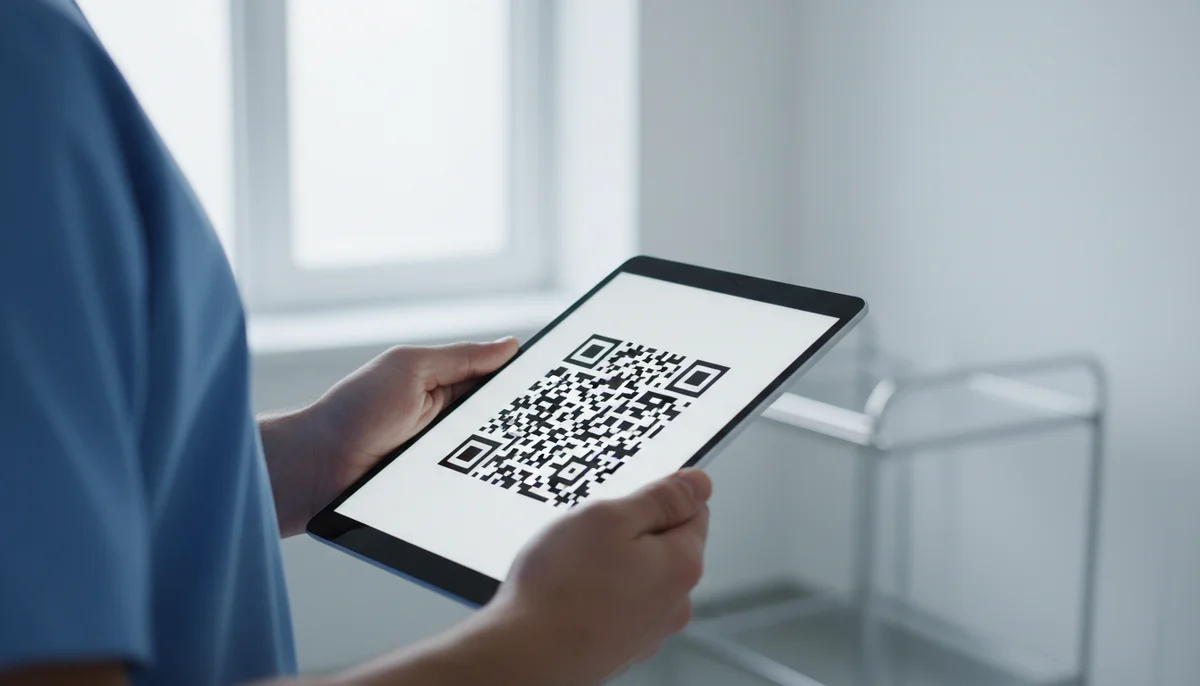
Transforming Healthcare with QR Codes: Benefits & Uses
Explore how QR codes are revolutionizing healthcare operations, patient experience, and data management. Learn the benefits of QR code healthcare solutions for clinics an
QR Codes for Healthcare: Revolutionizing Patient Engagement and Operational Efficiency
The healthcare industry stands at a pivotal juncture, continuously striving for innovation in patient care, operational efficiency, and data security. In this evolving landscape, the humble QR code has emerged as a powerful, versatile tool, offering significant advancements for providers and patients alike. The integration of QR codes for healthcare is no longer a niche idea but a strategic imperative for modernizing processes and enhancing the patient journey.
This article delves into how QR codes are transforming the healthcare sector, from streamlining administrative tasks to empowering patients with instant access to vital information. We'll explore the myriad applications, strategic benefits, and practical implementation strategies that healthcare organizations can leverage to build more connected, efficient, and patient-centric systems.
The Transformative Power of QR Codes in Healthcare
At its core, a QR code is a machine-readable optical label that contains information about the item to which it is attached. In healthcare, this translates to rapid, secure access to digital content, bridging the gap between physical touchpoints and extensive online resources. The simplicity of a scan belies its profound impact on daily operations and patient interactions.
Why Healthcare Needs QR Codes
The demands on healthcare providers are immense, encompassing everything from managing vast amounts of patient data to ensuring seamless communication and adhering to stringent regulatory standards. QR codes offer a scalable and cost-effective solution to many of these challenges:
- Enhanced Efficiency: Automating information delivery reduces manual tasks and paperwork, freeing up staff for more critical duties.
- Improved Patient Engagement: Empowering patients with on-demand access to educational materials, appointment details, and personalized care instructions fosters greater involvement in their health management.
- Data Accuracy and Security: By linking directly to secure digital resources, QR codes minimize the risk of human error in data transcription and facilitate controlled access to sensitive information.
- Cost Reduction: Moving away from printed materials towards digital information accessible via QR codes significantly cuts down on printing and distribution costs.
- Accessibility and Inclusivity: QR codes can link to content in multiple languages or formats (e.g., video, audio), improving accessibility for diverse patient populations.
Key Benefits for Healthcare Providers
Implementing QR codes can yield substantial benefits, impacting various facets of a healthcare organization:
- Streamlined Workflows: From patient intake to discharge instructions, QR codes can automate information sharing, reducing bottlenecks and improving flow.
- Enhanced Patient Experience: Patients appreciate quick, convenient access to information, leading to higher satisfaction and better adherence to care plans.
- Improved Data Management: Linking physical items (like equipment or patient samples) to digital records improves tracking and inventory management.
- Stronger Brand Trust: Modern, efficient communication tools like QR codes reflect a commitment to innovation and patient care.
- Better Communication: QR codes facilitate instantaneous updates and communication, crucial for dynamic health information.
Practical Applications: QR Codes in Action Across Healthcare
The versatility of QR codes allows for integration into almost every aspect of healthcare delivery. Here are some of the most impactful applications:
1. Patient Onboarding and Information
One of the most immediate benefits of QR codes is in simplifying the patient journey from the moment they enter a facility.
- Digital Intake Forms: Instead of clipboards, patients can scan a Form QR Codes in the waiting room to securely access and complete digital registration forms on their mobile device. This reduces wait times and administrative burden.
- Patient Handbooks & Education: Provide a PDF QR Codes on welcome brochures or posters, giving patients instant access to comprehensive digital handbooks, pre-appointment instructions, or post-operative care guides. This ensures they always have the most current information.
- Multilingual Support: Link QR codes to web pages offering information in various languages, catering to diverse patient demographics and improving comprehension.
2. Medication Management and Safety
Ensuring patients take the right medication, at the right time, and with full understanding is critical.
- Medication Information: QR codes on prescription labels or packaging can link patients to detailed dosage instructions, potential side effects, contraindications, and even instructional videos on how to administer medication.
- Counterfeit Detection: Pharmaceutical companies can embed QR codes that allow patients and pharmacists to verify the authenticity of medication, combating the threat of counterfeit drugs.
3. Medical Records and Diagnostics
Secure, efficient access to medical data is paramount for accurate diagnosis and treatment.
- Secure Record Access: While requiring robust security layers, QR codes can facilitate secure, authenticated access to patient medical records for authorized personnel or patients themselves (e.g., linking to a secure patient portal after a successful login).
- Diagnostic Results: After a blood test or imaging scan, a QR code on discharge papers could link patients directly to their results on a secure online portal once they become available.
4. Appointment Management and Wayfinding
Navigating large healthcare facilities or remembering appointment details can be stressful for patients.
- Appointment Reminders: A QR code on an appointment card can allow patients to instantly add their appointment details to their digital calendar or access detailed directions to the clinic via a Location QR Codes.
- Hospital Wayfinding: In large hospitals, QR codes placed at key junctions can link to interactive maps, guiding patients and visitors to specific departments, rooms, or amenities, reducing stress and staff inquiries.
5. Emergency and Identification
In emergencies, rapid access to critical health information can save lives.
- Emergency Contact/Medical History: Patients can carry ID cards or bracelets with a QR code linking to emergency contact information, known allergies, pre-existing conditions, or current medications. This can be created using vCard QR Codes that store emergency contact information. Access to this data should be carefully managed with privacy and security in mind.
- Device Identification: Medical equipment can be tagged with QR codes linking to maintenance histories, user manuals, and technical support contacts, crucial for rapid troubleshooting.
6. Marketing and Patient Engagement
Beyond direct patient care, QR codes are powerful tools for outreach and community engagement.
- Health Campaigns: Promote public health initiatives, vaccination drives, or wellness programs by placing QR codes on posters or brochures, linking to informative websites, videos, or registration pages.
- Clinic Promotion: Use QR codes in print ads, waiting rooms, or on business cards to direct potential patients to your clinic's website, social media profiles (Social Media QR Codes), or patient testimonials.
- App Downloads: If your clinic has a dedicated mobile app for appointments, telehealth, or patient resources, an App Store QR Codes provides a direct link for download.
- Feedback Collection: Gather valuable patient feedback by linking QR codes to satisfaction surveys, allowing for continuous improvement of services.
7. Staff Training and Operations
Internally, QR codes can boost efficiency for healthcare professionals.
- SOPs and Training Materials: Place QR codes in staff common areas or near equipment, linking to Standard Operating Procedures (SOPs), training videos (Video QR Codes, or compliance documents.
- Equipment Management: QR codes on medical devices can provide instant access to manuals, calibration schedules, or service request forms, improving asset management.
Building a Robust QR Code Strategy for Healthcare
Implementing QR codes effectively in a healthcare setting requires a well-thought-out strategy, prioritizing security, patient privacy, and ease of use.
Choosing the Right QR Code Type: Dynamic vs. Static
This is perhaps the most critical decision when deploying QR code healthcare campaigns.
- Static QR Codes: The destination URL or content is permanently embedded. Once printed, it cannot be changed. Best for fixed, unchanging information (e.g., Wi-Fi login details that rarely change).
- Dynamic QR Codes: These codes point to a short URL that can be updated anytime, even after the QR code has been printed. This offers immense flexibility and advanced capabilities essential for healthcare:
- Editability: Update patient information links, appointment details, or educational content without reprinting the QR code. This is invaluable for dynamic health information.
- Trackability: Gain insights into scan rates, locations, and device types through QR Code Analytics. This data is crucial for optimizing your campaigns.
- Reduced Printing Costs: The ability to update content means fewer reprints when information changes.
- A/B Testing: Test different landing pages or content versions to see what resonates best with patients.
Given the constantly evolving nature of healthcare information and the need for measurable outcomes, dynamic QR codes are almost always the superior choice for healthcare applications.
Essential Features for Healthcare QR Codes
Beyond dynamic functionality, consider these features when selecting a Free QR Code Generator or a professional platform:
- Security: For sensitive patient data, ensure the QR code platform supports secure landing pages, HTTPS encryption, and potentially password protection or multi-factor authentication (MFA) for access to linked content. Compliance with HIPAA, GDPR, and other regulations is non-negotiable.
- Customization: Incorporate your clinic's logo, colors, and branding into the QR code design using a Custom QR Design tool. This builds trust and recognition, making patients more likely to scan.
- Reliability: Choose a robust platform that guarantees high uptime and responsive support, as critical health information needs to be accessible 24/7.
- Scalability: For large organizations or widespread campaigns, the ability to generate and manage numerous QR codes efficiently is key. A Bulk QR Generator can be incredibly useful here.
Implementing Your QR Code Campaigns: A Step-by-Step Approach
Successful integration of QR codes requires careful planning and execution.
- Define Clear Objectives: What specific problem are you trying to solve, or what outcome do you want to achieve? (e.g., "Reduce patient no-shows by 15%", "Increase patient portal sign-ups by 20%").
- Identify Target Audience and Touchpoints: Where will your patients or staff encounter these QR codes? (e.g., waiting room posters, discharge papers, prescription bottles, staff break rooms).
- Create Compelling and Secure Content: Develop the digital information that the QR code will link to. This content must be clear, concise, easily navigable, mobile-friendly, and, most importantly, secure and compliant with privacy regulations.
- Generate and Customize Your QR Codes: Use a reliable Free QR Code Generator that offers dynamic capabilities and customization options.
- Strategize Placement and Sizing: Ensure QR codes are placed in prominent, well-lit areas, are large enough to be easily scanned (typically at least 1 x 1 inch), and have sufficient contrast.
- Provide Clear Calls to Action (CTAs): Always tell the user what they will get by scanning. Examples: "Scan for your post-op instructions," "Scan to complete intake forms," "Scan for clinic directions."
- Test Thoroughly: Before deployment, scan every QR code with multiple devices and scanning apps to ensure it works correctly and links to the intended, secure content.
- Educate Users: Briefly explain to patients or staff how to use the QR codes, especially for less tech-savvy individuals.
Measuring Success and Iterating
The power of QR code campaigns lies not just in their deployment but in their ability to provide actionable data.
- Leverage Analytics: Regularly review your QR Code Analytics dashboard. Track the number of scans, geographical locations, time of day, and types of devices used.
- Evaluate Against Objectives: Are you seeing a reduction in paper usage? An increase in app downloads? Higher patient survey completion rates?
- Iterate and Optimize: Use the insights from your analytics to refine your QR code strategy. This might involve adjusting placement, updating the linked content (a breeze with dynamic QR codes), or changing your call to action. Continuous improvement is key to maximizing the value of your QR code healthcare initiatives.
Best Practices for Healthcare QR Code Deployment
To maximize the impact and mitigate risks when deploying QR codes in healthcare, adhere to these best practices:
- Prioritize Patient Privacy and Data Security: This cannot be overstressed. All linked content containing protected health information (PHI) must be hosted on secure, compliant servers (e.g., HIPAA-compliant cloud storage). Implement robust authentication for any sensitive data access.
- Ensure Accessibility: Design your QR codes with readability in mind. Ensure sufficient size, clear contrast, and stable placement. Consider offering alternative access methods for those unable to scan.
- Provide Clear, Concise Instructions and CTAs: Patients should immediately understand the purpose of scanning a QR code and what information they will receive. Ambiguity leads to low engagement.
- Maintain and Update Content Regularly: Healthcare information is dynamic. Use dynamic QR codes to ensure that linked content is always current, accurate, and relevant. Outdated information can be detrimental.
- Integrate with Existing Systems: Where possible, link QR codes to your existing patient portals, EMRs, or appointment scheduling systems to create a seamless digital experience.
Conclusion
The adoption of QR codes for healthcare presents a compelling pathway to a more efficient, engaged, and patient-centric future. From automating administrative tasks and enhancing medication safety to improving patient education and streamlining internal operations, QR codes offer a robust solution for a wide array of challenges faced by modern healthcare providers.
By strategically leveraging dynamic QR codes, integrating with reliable platforms, and prioritizing security and user experience, healthcare organizations can unlock significant benefits. Embracing this simple yet powerful technology allows providers to not only meet the evolving demands of patients but also to foster a more connected and efficient healthcare ecosystem. Begin exploring the potential today with a Free QR Code Generator and discover how dynamic QR codes can transform your approach to patient care and operational excellence.
Ready to Get Started?
Explore our tools to enhance your QR code workflow
Free QR Code Generator
Create unlimited QR codes for free with our easy-to-use generator. No signup required.
Start CreatingTeam Workspace
Collaborate with your team on QR code projects. Share templates, manage permissions, and track usage.
Explore TeamsBulk QR Generator
Generate hundreds of QR codes at once from CSV files. Perfect for events, inventory, and mass campaigns.
Start BulkAll tools are available with a free plan to get you started
Frequently Asked Questions
Find quick answers to common questions about this topic
How can QR codes improve patient care in healthcare?
QR codes streamline patient registration, provide quick access to medical records, and share important information like medication instructions, improving overall care efficiency and patient experience.
What are dynamic QR codes used for in the medical field?
Dynamic QR codes in healthcare allow for editable content after printing, making them ideal for patient information that changes, appointment reminders, or consent forms that need real-time updates.
Can QR codes help with medical data management and security?
Yes, QR codes can securely link to encrypted patient portals, consent forms, or appointment details, enhancing data accuracy and reducing manual errors while maintaining privacy standards.
How do hospitals use QR codes for internal operations?
Hospitals use QR codes for tracking medical equipment, managing inventory, facilitating staff access to protocols, and streamlining wayfinding within large facilities to improve operational efficiency.
Are QR codes suitable for sharing health information safely?
When linked to secure, compliant platforms, QR codes are suitable for sharing health information. They offer quick access to authorized data, often password-protected or via secure portals.
Related Articles
Continue exploring QR code strategies and best practices
QR Code Security & Safety: Protecting Yourself from Malicious Scans
Discover essential tips for QR code security and safety. Learn how to identify malicious QR codes and protect your personal data from phishing and malware attacks. Stay s
What are the Main QR Code Types? Static, Dynamic & More
Explore the different QR code types, from static to dynamic. Learn their unique features, benefits, and best uses for business with QR-Build.
Static vs Dynamic QR Code Explained: Benefits of Dynamic QR
Understand static vs. dynamic QR codes. Learn the benefits of dynamic QR codes for marketing, tracking, and content updates. Essential for modern campaigns.
Create a QR Code for PDF: The Ultimate PDF QR Code Generator Guide
Unlock easy document sharing! Learn how to generate a QR code for PDF files effortlessly. Our guide covers using a PDF QR code generator to enhance accessibility and dist

Unlock Growth: QR Codes in Business for Modern Engagement
Discover how QR codes revolutionize business operations, marketing, and customer engagement. Explore essential QR code business uses to drive efficiency and boost your br
unpacking-qr-code-adoption-statistics-why-they're-back-in-business

QR Technology Specialist
Sarah has over 8 years of experience in digital marketing and QR code technology. She specializes in helping businesses implement effective QR code strategies.