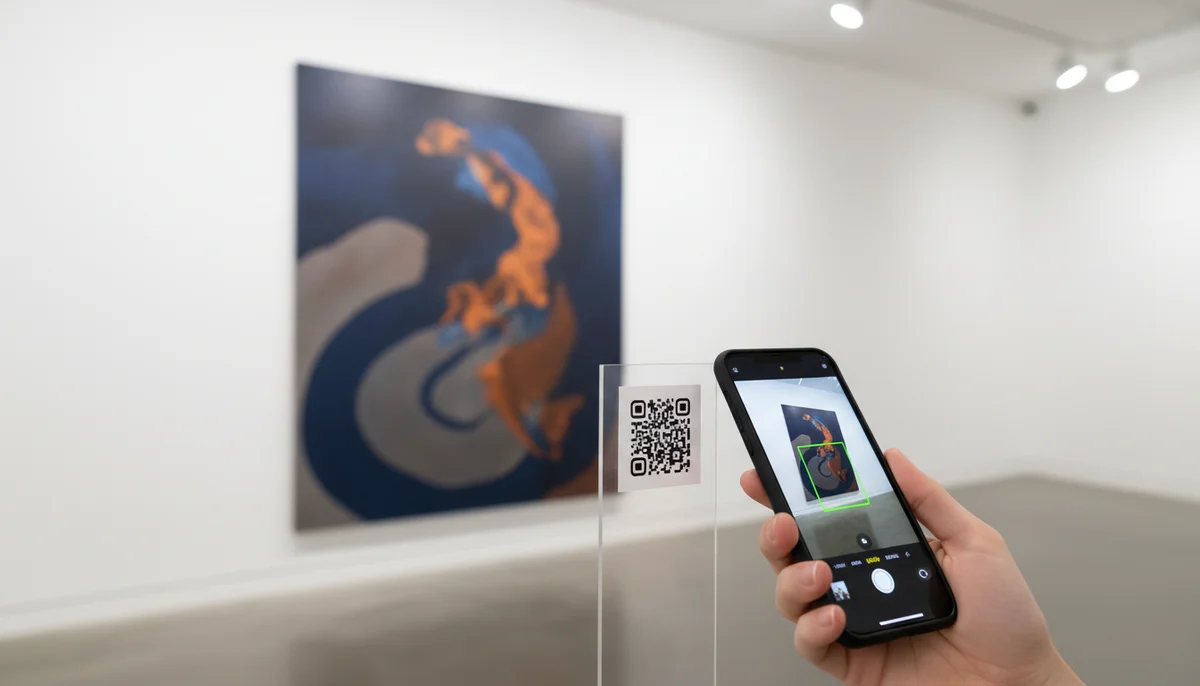
QR Codes for Art Exhibitions: Enhance Visitor Engagement
Discover how QR codes elevate art exhibitions. Use dynamic QR codes to share artist info, audio guides, and interactive content, enhancing visitor engagement and gallery
QR Codes for Art Galleries: Revolutionizing the Visitor Experience
In an increasingly digital world, art galleries face the exciting challenge of bridging physical masterpieces with online engagement. Traditional white placards, while classic, often fall short in delivering the rich, interactive context modern visitors crave. This is where QR codes emerge as a powerful, elegant solution, transforming a static viewing into an immersive, dynamic journey.
The integration of QR codes within an art gallery or museum setting isn't just a trend; it's a strategic enhancement to the visitor experience, offering immediate access to a wealth of information and fostering deeper connections with art and artists. Whether you're planning a grand qr code art exhibition or looking to subtly enhance your permanent collection, understanding the potential of this technology is key to modernizing your space and engaging a broader audience.
This guide will delve into the transformative power of QR codes for art galleries, from enhancing artwork descriptions to streamlining event promotions and collecting valuable visitor insights. We’ll explore practical applications, strategic implementation, and how these small squares can unlock new dimensions of appreciation and interaction for every art enthusiast.
Why QR Codes are Essential for Modern Art Galleries
Art galleries are vibrant spaces where stories, emotions, and histories converge. Yet, the physical constraints of an exhibition space often limit the depth of information that can be provided. QR codes obliterate these limitations, offering a seamless gateway to digital content that enriches every aspect of the visitor's journey.
- Enhanced Visitor Engagement: QR codes invite visitors to become active participants rather than passive observers. They encourage exploration and provide options for self-paced learning.
- Deeper Context and Storytelling: A single QR scan can unveil an artist's biography, the historical context of a piece, a video interview, or even insights into the restoration process. This provides a richer narrative than a short wall text ever could.
- Accessibility and Inclusivity: QR codes can link to audio descriptions, translations in multiple languages, or text-to-speech options, making art accessible to a wider audience, including those with visual impairments or language barriers.
- Sustainable Practices: By reducing the need for printed brochures, exhibition guides, and extensive wall text, galleries can significantly cut down on paper waste, aligning with environmental goals.
- Data-Driven Insights: Unlike static signage, QR codes can be tracked, providing invaluable data on visitor interests, popular artworks, and engagement patterns, which can inform future exhibitions and marketing strategies.
Beyond the Basics: The Power of Dynamic QR Codes
When considering QR code implementation for your gallery, understanding the difference between static and dynamic QR codes is crucial. While static QR codes are permanent links, ideal for unchanging information, dynamic QR codes offer unparalleled flexibility and analytical power, making them the superior choice for art galleries.
Dynamic QR codes allow you to:
- Update Content Anytime: Change the linked content without altering the QR code itself. If an artist updates their website, or an exhibition schedule changes, you simply update the destination URL in your QR code management platform.
- Track Performance: Gain valuable insights into how many times your codes are scanned, where they are scanned (location data), and which times are most popular. This data is vital for optimizing your QR code campaigns.
- Targeted Content Delivery: Depending on the scanning device's language settings or location, you can even direct visitors to different content versions, offering a truly personalized experience.
For a gallery, this means if an artwork is sold and needs its linked information updated, or if an artist's interview needs to be replaced with a new one, the physical QR code on the wall remains the same. This saves time, cost, and avoids disruption to the exhibition flow. You can easily manage these through services that offer Dynamic QR Codes.
Choosing the Right QR Code Generator
Selecting a reliable QR code generator is the first step in creating effective QR code campaigns for your gallery. Look for a platform that offers more than just basic code creation. Key features include:
- Ease of Use: An intuitive interface that allows gallery staff to quickly generate and manage codes without technical expertise.
- Customization Options: The ability to design codes that align with your gallery's brand identity, incorporating logos, specific colors, and unique frames. This enhances visual appeal and reinforces your brand. You can explore options for Custom QR Design.
- Dynamic QR Code Functionality: As discussed, this is essential for flexibility and tracking.
- Analytics Dashboard: A robust analytics platform to monitor scan data, providing actionable insights into visitor engagement.
- Multiple QR Code Types: Support for various content types, such as URLs, PDF files, video links, social media profiles, and more.
Many platforms offer a Free QR Code Generator to get started, but consider a paid plan for advanced features and comprehensive analytics, which are invaluable for professional gallery operations.
Practical Examples: QR Codes in Action at Art Galleries
The versatility of QR codes allows for a myriad of applications within an art gallery setting. Here are some powerful use cases:
-
Enriching Artwork Information:
- Artist Narratives: Link a QR code next to a painting to a page with the artist's full biography, artistic philosophy, and a personal statement about the piece.
- Behind-the-Scenes Videos: Provide access to short videos showcasing the artist's creative process, studio tour, or an interview discussing the artwork. Video QR Codes are perfect for this, offering a direct link to multimedia content.
- Detailed Descriptions & Research: For complex or historically significant pieces, link to a PDF QR Codes containing an academic paper, restoration history, or high-resolution images showing intricate details.
- Audio Tours: Scan a QR code to listen to an audio commentary about a specific artwork, offering insights from curators or the artists themselves.
-
Interactive Exhibition Guides & Maps:
- Place a large QR code at the entrance or information desk that links to a digital exhibition map, highlighting key artworks or themed pathways.
- For temporary exhibitions, link to a detailed digital guide with curator notes, artist statements, and related content, reducing the need for printed materials.
-
Artist Spotlights & Portfolios:
- Dedicated QR codes can link directly to an artist's personal website, online portfolio, or even their Instagram page, allowing visitors to explore more of their work and follow their journey. Social Media QR Codes make this incredibly simple.
- At group shows, each artist can have a QR code leading to their individual digital presence, fostering direct connections.
-
Event Promotion & Ticketing:
- Advertise upcoming lectures, workshops, or special exhibition openings with QR codes on posters or digital screens. Scanning directs visitors straight to an event registration page or ticket purchase portal. Event QR Codes simplify the process for both the gallery and attendees.
- For an exclusive qr code art exhibition preview, distribute QR codes that link directly to an invite-only booking system.
-
Collecting Visitor Feedback:
- Place QR codes at exit points or throughout the gallery, linking to a short survey about the exhibition, visitor experience, or suggestions for future programming. This feedback is invaluable for continuous improvement.
- Encourage visitors to leave comments or sign up for newsletters via a QR code linked to a simple form.
-
Driving Sales & Merchandise:
- For artworks that are for sale, a QR code can link directly to a secure online purchase page or provide contact details for sales inquiries.
- Promote gallery gift shop items like prints, books, or merchandise by linking a QR code to the item's page in your online store.
-
Building Community & Social Engagement:
- Encourage visitors to share their experience on social media by providing QR codes that link directly to your gallery's Facebook, Instagram, or Twitter profiles.
- Run interactive QR code marketing campaigns where visitors scan a code to participate in a scavenger hunt or quiz related to the exhibition content.
Strategy and Implementation: Making Your QR Code Art Exhibition a Success
A successful QR code integration isn't just about placing codes; it's about a well-thought-out strategy that enhances the visitor experience and meets your gallery's objectives.
Crafting an Effective QR Code Strategy for Your Gallery
- Define Your Goals: What do you want to achieve? Increased engagement? More sales? Better visitor feedback? Clarity here will guide your entire QR code campaigns.
- Content Planning is Key: Identify the specific digital content you want to link to each QR code. Ensure this content is high-quality, mobile-optimized, and truly adds value to the physical experience.
- Strategic Placement:
- Visibility: Place codes at eye-level, where they are easily noticed and scanned.
- Proximity: Ensure the code is close enough to the artwork or point of interest to be clearly associated.
- Lighting: Avoid shadows or glare that might hinder scanning.
- Size: Make codes large enough to be easily scannable from a comfortable distance, but not so large that they distract from the art.
- Clear Call to Action (CTA): Always include a brief, compelling CTA next to the QR code. Examples: "Scan for Artist Bio," "Watch the Story," "Hear the Curator's Thoughts," or "Purchase Prints." This tells visitors what to expect and encourages interaction.
Designing Eye-Catching QR Codes
While the core function of a QR code is scanning, its appearance also matters, especially in an aesthetic environment like an art gallery.
- Brand Integration: Use your gallery's brand colors, and incorporate your logo into the center of the QR code. Many platforms offering Custom QR Design allow for this.
- Framing: Add custom frames with clear, engaging text around the QR code to make it more appealing and informative.
- Consistency: Maintain a consistent design across all QR codes within an exhibition to create a cohesive look.
Measuring Success: QR Code Analytics
One of the most powerful advantages of dynamic QR codes is the ability to track their performance. QR code analytics provide invaluable insights into visitor behavior, allowing you to optimize your strategies.
- Scan Counts: See how many times each QR code is scanned, indicating the popularity of specific artworks or information.
- Location Data: Understand where scans are occurring, which can highlight popular areas or artworks within the gallery (if location tracking is enabled and permitted).
- Time of Scans: Identify peak engagement times, helping you to staff appropriately or tailor future campaigns.
- Device Information: Learn about the types of devices visitors use, which can inform your mobile content optimization.
Regularly reviewing these analytics helps you understand what resonates with your audience, allowing you to refine content, adjust placement, and ultimately improve the visitor experience for every future qr code art exhibition. Services like QR Code Analytics offer comprehensive dashboards for this purpose.
A Step-by-Step Guide to Implementing QR Codes in Your Next Exhibition
Implementing QR codes might seem daunting, but by breaking it down into manageable steps, you can smoothly integrate this technology.
- Identify Content Needs: For each artwork, section, or event, determine what digital information would enhance the visitor's understanding or engagement. This could be a video, a PDF, a web page, or an audio file.
- Choose Your QR Code Type: For flexibility and tracking, always opt for dynamic QR codes. This ensures you can update content post-deployment.
- Generate Your Codes: Use a reliable QR code generator to create your codes. Upload your content or link to your desired URLs. For instance, if you're linking to an artist's portfolio, you'd use a URL QR Code.
- Design and Customize: Apply your gallery's branding, colors, and logo to the QR codes. Ensure they are visually appealing and integrate seamlessly with your exhibition design.
- Test Thoroughly: Before printing, scan every QR code with multiple devices (iOS, Android, different scanner apps) to ensure they work correctly and link to the intended content. Check for mobile optimization of the linked pages.
- Print and Place: Print your QR codes on durable, high-quality materials. Strategically place them next to artworks, at entrances, information desks, or on promotional materials, adhering to your placement strategy.
- Monitor and Adapt: Once the exhibition opens, regularly check your QR code analytics. Use the insights gained to make real-time adjustments, update content, or even introduce new QR codes to address visitor interests.
Conclusion
The evolution of art galleries demands innovative approaches to engagement, and QR codes stand out as a highly effective, yet elegantly simple, solution. By bridging the physical and digital, these small black-and-white squares unlock a universe of information, interaction, and immersion, transforming the traditional gallery visit into a personalized and unforgettable journey.
From enriching artwork narratives and promoting events to gathering invaluable insights through QR code analytics, the applications are vast. Embracing QR codes isn't just about adopting new technology; it's about enhancing accessibility, fostering deeper connections between art and audience, and future-proofing the art exhibition experience. For any gallery aiming to captivate the modern art enthusiast, a thoughtfully implemented qr code art exhibition is no longer a luxury, but a necessity. Start exploring the possibilities today and elevate your gallery to new heights of engagement and discovery.
Ready to Get Started?
Explore our tools to enhance your QR code workflow
Free QR Code Generator
Create unlimited QR codes for free with our easy-to-use generator. No signup required.
Start CreatingTeam Workspace
Collaborate with your team on QR code projects. Share templates, manage permissions, and track usage.
Explore TeamsDynamic QR Codes
Edit QR code destinations after printing. Track scans, A/B test URLs, and update content anytime.
Go DynamicAll tools are available with a free plan to get you started
Frequently Asked Questions
Find quick answers to common questions about this topic
What are the benefits of using QR codes in art galleries?
Benefits include providing detailed artist information, artwork context, audio/video guides, links to purchase art, and capturing visitor feedback, enhancing the overall experience.
Can QR codes provide audio guides for art?
Yes, QR codes can link directly to audio files or web pages embedded with audio players, offering visitors a self-guided auditory experience for artworks.
How can galleries track engagement with QR codes?
Galleries can track engagement using dynamic QR codes, which provide real-time scan analytics including location, time, and device, helping measure visitor interest.
Are QR codes easy to update after printing for exhibitions?
Yes, dynamic QR codes can be updated anytime, even after printing, allowing galleries to change linked content like artwork details or event schedules without reprinting.
What kind of content can QR codes link to in an art exhibit?
QR codes in art exhibits can link to artist bios, artwork descriptions, video interviews, purchase pages, social media, event schedules, feedback forms, and interactive maps.
Related Articles
Continue exploring QR code strategies and best practices
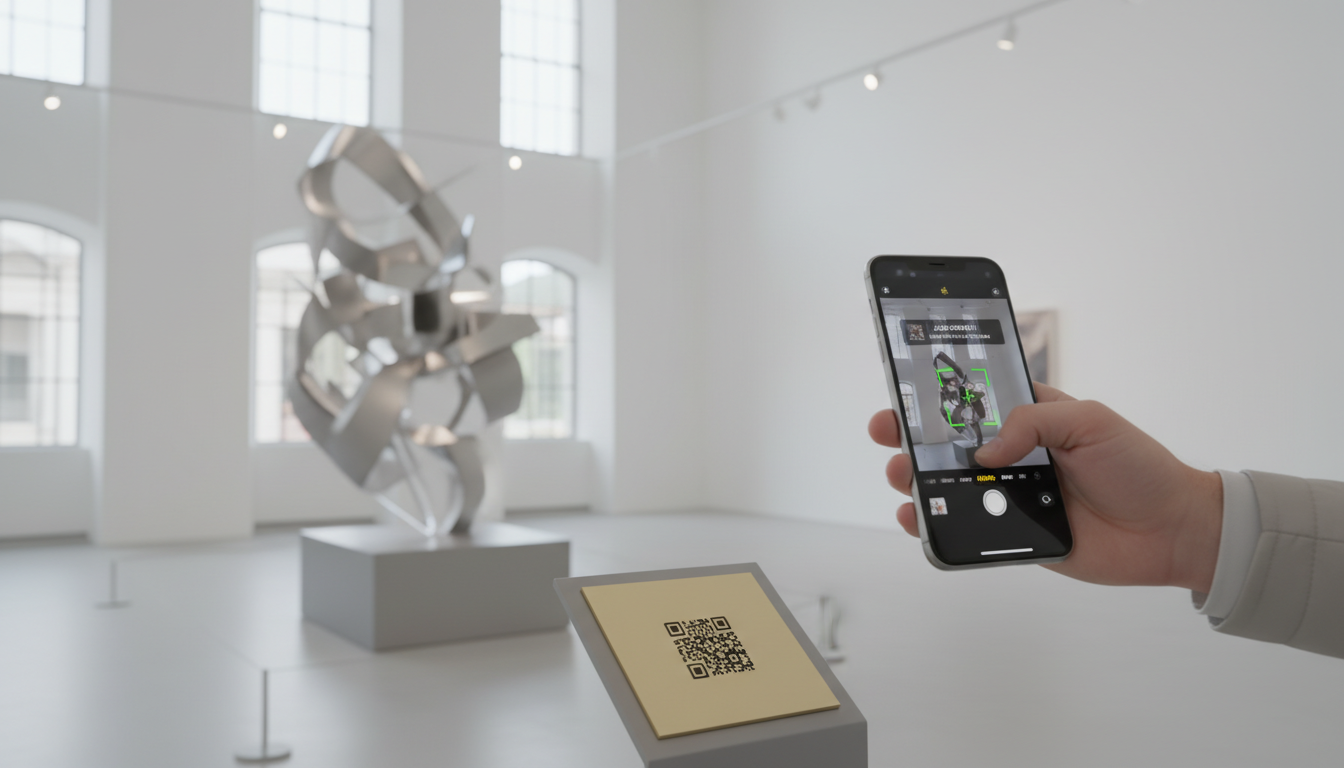
The Essential QR Code Museum Guide: Enhance Visitor Engagement
Transform your museum's visitor experience with our essential QR code museum guide. Learn to create dynamic QR codes for exhibits, provide interactive content, and track

Dynamic QR Code Explained: What It Is, How It Works, & Benefits
Discover what a dynamic QR code is, how it works, and its key advantages for marketing and business. Learn why editable QR codes are essential for modern campaigns with Q

How QR Codes Increase Customer Engagement and Loyalty
Discover how dynamic QR codes drive customer engagement, loyalty, and interaction. Track campaign performance with real-time analytics from QR-Build. Start boosting engag
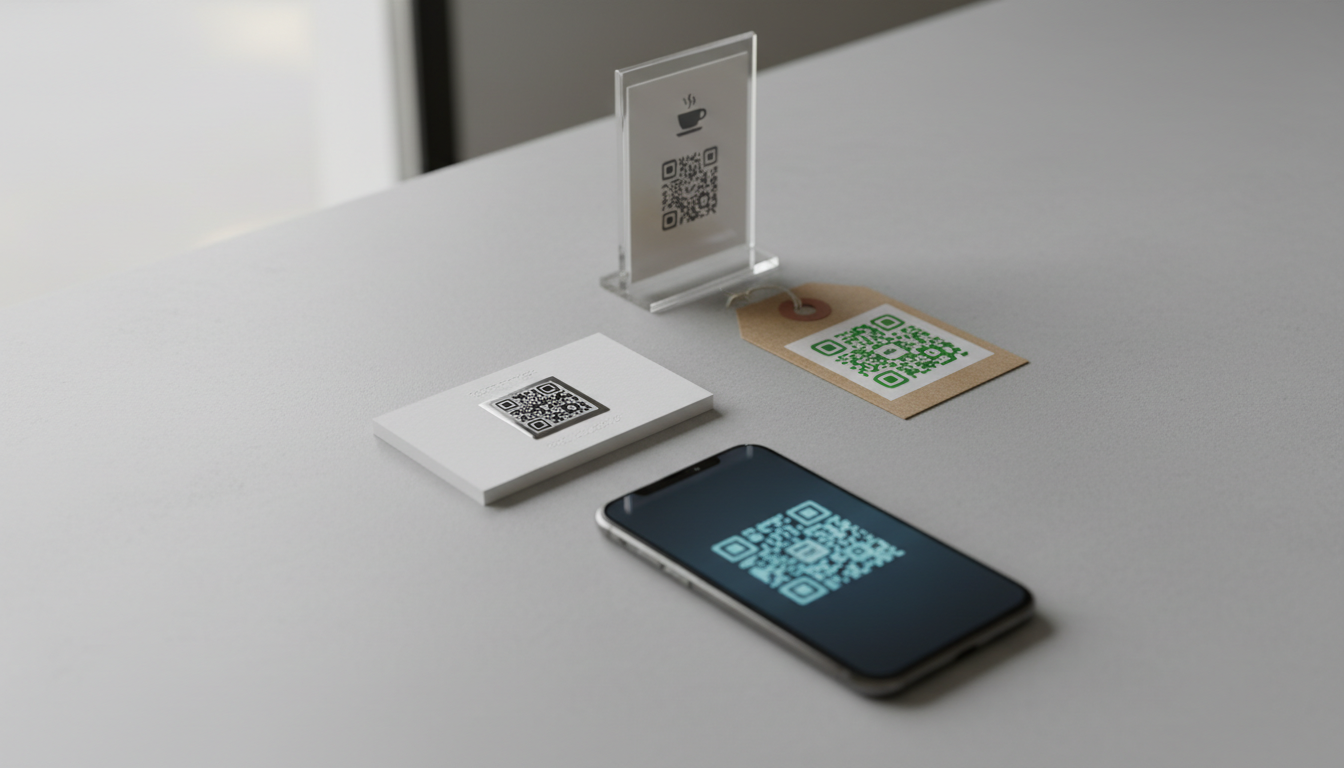
What are the Main QR Code Types? Static, Dynamic & More
Explore the different QR code types, from static to dynamic. Learn their unique features, benefits, and best uses for business with QR-Build.
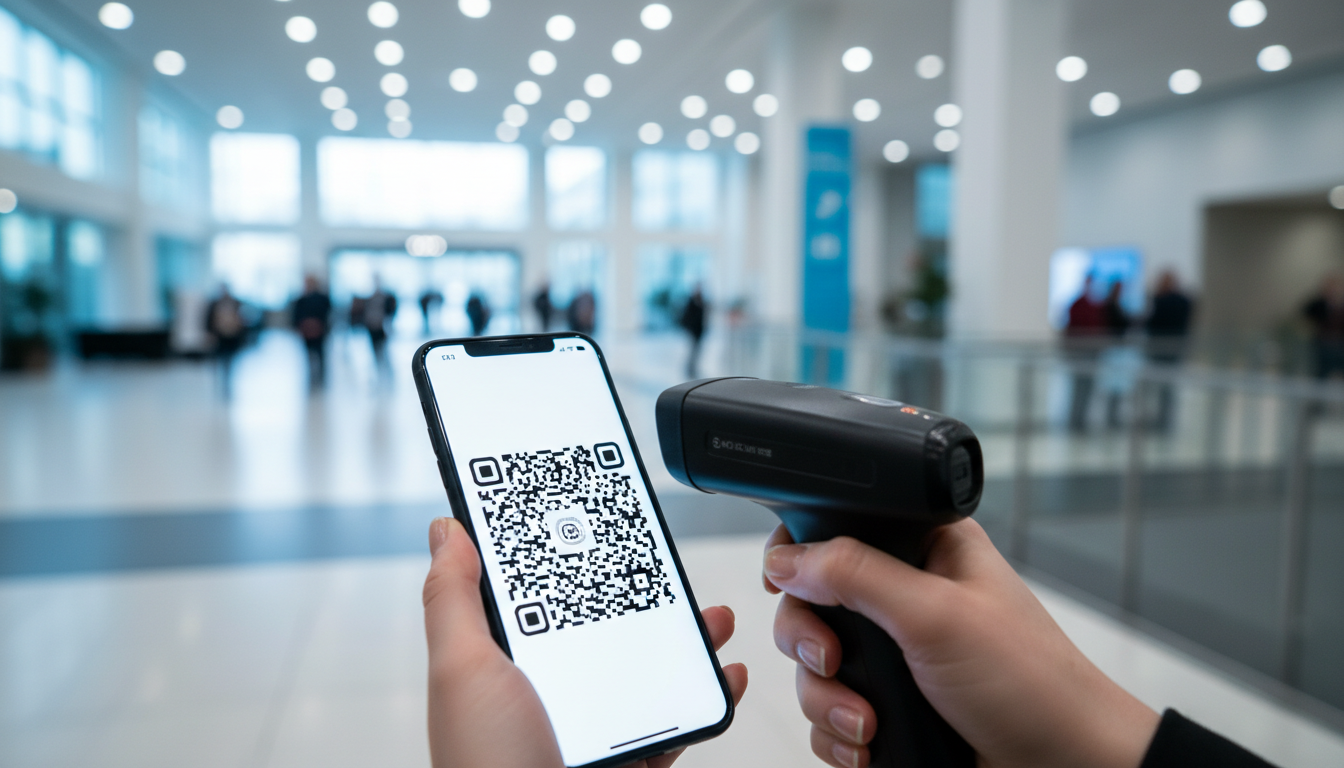
Boost Event Experience: Using QR Codes for Tickets & Access
Discover how event ticket QR codes enhance security, streamline entry, and provide valuable attendee insights. Learn to create dynamic, editable QR codes for seamless eve
Transforming Tourism: How QR Code Tourist Guides Enhance Visitor Exper
Discover how QR code tourist guides revolutionize visitor experiences with dynamic information, interactive maps, and easy access to local insights. Enhance engagement an

QR Technology Specialist
Sarah has over 8 years of experience in digital marketing and QR code technology. She specializes in helping businesses implement effective QR code strategies.