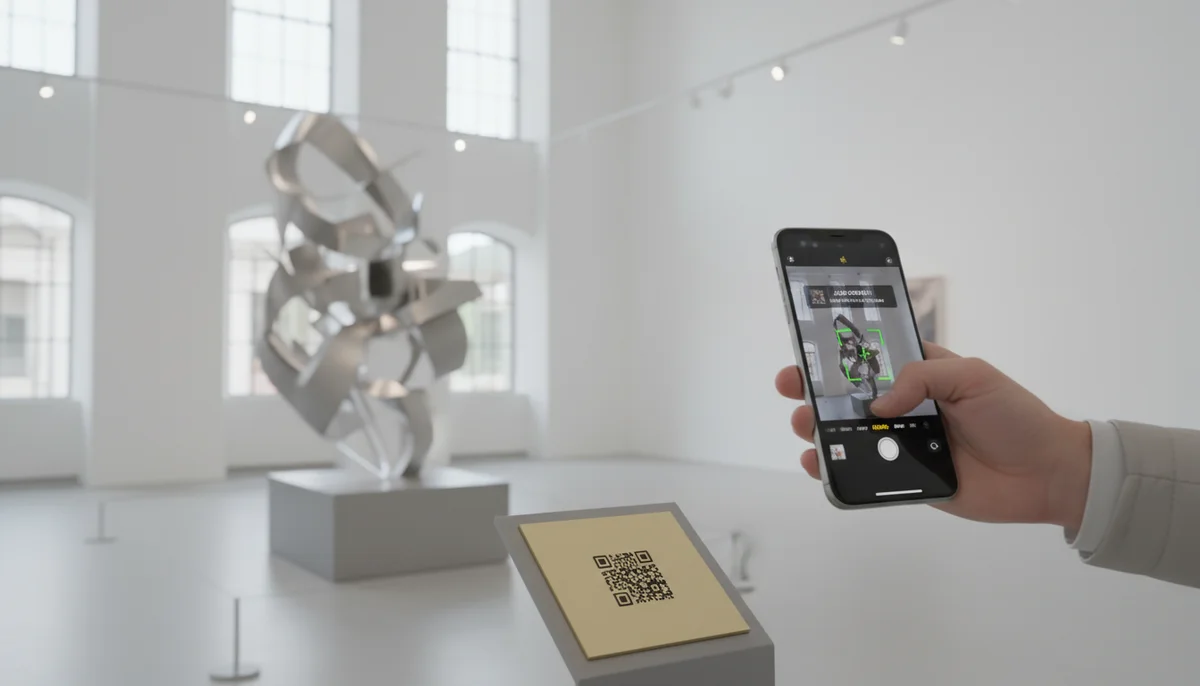
The Essential QR Code Museum Guide: Enhance Visitor Engagement
Transform your museum's visitor experience with our essential QR code museum guide. Learn to create dynamic QR codes for exhibits, provide interactive content, and track
QR Codes for Museums: Revolutionizing Visitor Engagement
Museums, by their very nature, are custodians of history, art, and culture. Yet, in an increasingly digital world, they face the challenge of blending traditional exhibits with modern visitor expectations for interactive, accessible, and personalized experiences. Enter QR codes – simple, scannable squares that serve as powerful gateways to a wealth of digital content. This comprehensive qr code museum guide will explore how these unassuming tools can transform the museum visit, enriching engagement, streamlining operations, and unlocking new possibilities for educational outreach.
The Power of Digital Doors: Why Museums Need QR Codes
For decades, museums have relied on printed placards, audio guides, and docent-led tours to convey information. While valuable, these methods often have limitations: space constraints on labels, static content, and a lack of real-time adaptability. QR codes shatter these barriers by offering an immediate link between the physical and digital realms.
Imagine a visitor scanning a code next to an ancient artifact and instantly accessing:
- A high-resolution 3D model, allowing them to examine it from all angles.
- A video of an archaeologist explaining its discovery.
- Interviews with conservators about its restoration.
- Related historical documents, maps, or contemporary artworks.
- Multilingual explanations catering to diverse audiences.
This goes beyond simple information delivery; it creates an immersive, self-guided journey tailored to individual interests and learning styles.
Static vs. Dynamic QR Codes: Understanding the Core Difference
Before diving into applications, it's crucial to understand the two main types of QR codes:
- Static QR Codes: These codes directly embed the destination URL or data. Once created, their content cannot be changed. If the linked content (e.g., a website page) changes, the static QR code becomes useless, requiring physical replacement. They are suitable for information that is truly permanent, like a museum's main website URL on a permanent sign.
- Dynamic QR Codes: These codes don't embed the final content directly. Instead, they link to an intermediary URL managed by a QR code generator platform. This allows you to change the destination URL or content at any time without altering the physical QR code itself.
Why Dynamic QR Codes are Essential for Museums:
Dynamic QR codes are the backbone of any effective qr code museum guide. They offer unparalleled flexibility and control, which is critical in an environment where exhibits rotate, information is updated, or campaigns evolve.
- Flexibility: Easily update content without reprinting codes – vital for temporary exhibits, updated research, or broken links.
- Trackability: Gain insights into scan rates, locations, and device types through QR Code Analytics. This data is invaluable for understanding visitor engagement and optimizing content.
- Reusability: The same physical QR code can be repurposed for different campaigns or exhibits over time, saving printing costs and reducing waste.
- Error Correction: Correct typos or update outdated information instantly, ensuring visitors always access the most current and accurate details.
This adaptability makes dynamic codes a non-negotiable tool for any forward-thinking museum looking to implement a successful digital engagement strategy.
Practical Applications: How Museums Can Leverage QR Codes
The potential uses for QR codes within a museum setting are vast. Here are some key areas where they can make a significant impact:
1. Enriching Exhibit Information
This is perhaps the most immediate and impactful application. Traditional placards are limited by space; QR codes offer an infinite canvas.
- Beyond the Label: Link to extended historical context, artist biographies, detailed scientific explanations, high-resolution images, or related video documentaries. For large-scale exhibits with hundreds of artifacts, our Bulk QR Generator allows you to create and manage all necessary dynamic codes in a single, efficient workflow, ensuring every piece of information is accessible.
- Multilingual Support: Offer immediate access to descriptions in multiple languages, making the museum accessible to a global audience. A single QR code can link to a landing page with language options.
- Interactive Media: Scan a code next to a painting to hear the artist's own words or a curator's interpretation. Use Video QR Codes for short, engaging clips, or PDF QR Codes for downloadable academic papers.
- Accessibility Features: Provide audio descriptions for visually impaired visitors or sign language videos for the hearing impaired.
Example Use Case: "The Lost Pharaohs" Exhibit Next to a sarcophagus, a QR code could lead to:
- An animated video showing the mummification process.
- A 3D interactive model of the sarcophagus and its contents.
- A link to scholarly articles on ancient Egyptian burial customs.
- A "Did You Know?" section with fun facts for younger visitors.
2. Enhancing Wayfinding and Navigation
Large museum complexes can be daunting. QR codes can serve as a modern qr code museum guide for navigation.
- Interactive Maps: Place QR codes at key intersections or entrance points that link to an interactive digital map of the museum, highlighting current exhibits, restrooms, cafes, and exits.
- Guided Tours: Create themed digital tours. A QR code at the start of a "Roman Empire" section could link to a sequence of points of interest, each with its own QR code, guiding visitors through the exhibit.
- Event Schedules: Display QR codes at information desks or entranceways that link to the day's events, workshop schedules, or special presentations.
3. Promoting Educational Programs and Events
Museums are vital educational institutions. QR codes can boost participation in learning initiatives.
- Workshop Sign-ups: Post QR codes in classrooms or common areas that link directly to registration forms for educational workshops, summer camps, or lecture series.
- Event Calendars: Create Event QR Codes for upcoming talks, performances, or temporary exhibitions, allowing visitors to add them directly to their digital calendars.
- Feedback & Surveys: After a program, use QR codes to gather immediate feedback, allowing for continuous improvement.
4. Driving Retail and Membership
QR codes aren't just for information; they're powerful marketing tools.
- Gift Shop Promotions: Place QR codes near popular exhibits that link to relevant merchandise in the online gift shop, or offer exclusive discounts. Coupon QR Codes can be highly effective here.
- Membership Sign-ups: Feature QR codes prominently that lead to the membership sign-up page, outlining benefits and offering an easy enrollment process.
- Donations: Make it easy for visitors to contribute by linking to a secure donation page.
5. Streamlining Operations and Visitor Services
Beyond the visitor experience, QR codes can enhance internal museum operations.
- Ticketing and Entry: Use QR codes on digital or printed tickets for quick, contactless entry.
- Digital Brochures: Instead of stacks of paper brochures, offer a QR code at the entrance that links to a digital museum guide or welcome packet, easily accessible on a smartphone.
- Wi-Fi Access: A WiFi QR Code at the entrance or cafe makes connecting to the museum's guest network effortless.
Crafting Your QR Code Museum Guide: Strategy and Implementation
Implementing QR codes effectively requires more than just generating codes; it demands a strategic approach to content, placement, and analysis.
1. Content is King
The success of your QR code strategy hinges on the quality and relevance of the digital content you provide.
- Value Proposition: Always ask: "What added value does this QR code offer that a physical label cannot?"
- Format Diversity: Utilize a mix of text, images, audio, video, and interactive elements. Consider using Link List QR Codes to provide multiple content options from a single scan.
- Keep it Concise: While QR codes allow for depth, initial digital content should be digestible and engaging. Offer options for "read more" or "explore deeper."
- Mobile Optimization: Ensure all linked content is fully optimized for mobile devices. Slow-loading pages or poorly formatted text will deter engagement.
2. Strategic Placement and Design
The physical placement and visual presentation of your QR codes are crucial for encouraging scans.
- Visibility and Accessibility: Place codes at eye level, in well-lit areas, and ensure they are large enough to be easily scanned from a comfortable distance. Avoid placing them in high-traffic choke points where visitors might feel rushed.
- Clear Call to Action: Always include a brief, compelling call to action (e.g., "Scan for artist interview," "Explore 3D Model," "Learn More"). Visitors need to understand what they'll gain from scanning.
- Branding and Aesthetics: Use a Custom QR Design that incorporates your museum's branding, colors, and logo. This reinforces your identity and makes the codes feel like an integrated part of the exhibit, not an afterthought. A well-designed code enhances the overall aesthetic of your qr code museum guide.
3. Monitoring and Optimization with Analytics
The true power of dynamic QR codes lies in their ability to provide actionable data.
- Track Engagement: Use QR Code Analytics to monitor scan rates, popular codes, peak scanning times, and geographic data. Which exhibits generate the most interest? Are visitors engaging with video content more than text?
- Iterate and Improve: Use these insights to refine your content strategy, update less popular links, or experiment with different calls to action. For instance, if a QR code for a specific artifact has low engagement, you might update the linked content or change its placement.
- A/B Testing: With dynamic codes, you can A/B test different content types or calls to action by directing different segments of your audience to varied experiences, all from the same physical code.
4. Team Collaboration
Managing a comprehensive QR code system across a large museum often requires input from various departments – curatorial, education, marketing, and IT. A Team Workspace can be invaluable here, allowing multiple users to collaborate on creating, managing, and analyzing QR code campaigns efficiently and securely. This ensures consistency and streamlines workflows.
Getting Started in 3 Simple Steps
Ready to transform your museum's visitor experience? Here’s how to begin your journey:
- Choose one high-traffic exhibit for a pilot project. Select an area where you believe digital content can significantly enhance the visitor experience and where success can be easily measured.
- Use our Free QR Code Generator to create your first dynamic video or PDF QR code. Experiment with linking to a short curator's video or a detailed historical document for a key artifact.
- Monitor visitor engagement using QR Code Analytics to measure success. Pay attention to scan rates and feedback to understand what resonates most with your audience, then iterate and expand.
Conclusion
QR codes are more than just a passing technological trend; they are a fundamental tool for modernizing the museum experience. By embracing dynamic QR codes, museums can provide unparalleled depth, accessibility, and interactivity, transforming passive viewing into active engagement. From enriching exhibit details and streamlining navigation to boosting educational outreach and membership, the applications are limitless. Implementing an intelligent qr code museum guide is not just about keeping up with technology; it's about fostering deeper connections with visitors, preserving cultural heritage in innovative ways, and ensuring the museum remains a vibrant, engaging, and relevant institution for generations to come.
Ready to Get Started?
Explore our tools to enhance your QR code workflow
Free QR Code Generator
Create unlimited QR codes for free with our easy-to-use generator. No signup required.
Start CreatingBulk QR Generator
Generate hundreds of QR codes at once from CSV files. Perfect for events, inventory, and mass campaigns.
Start BulkCustom QR Design
Customize QR codes with your brand colors, logos, and shapes. Stand out with professional designs.
Design QRAll tools are available with a free plan to get you started
Frequently Asked Questions
Find quick answers to common questions about this topic
What are QR codes for museums?
QR codes in museums provide digital access to exhibit information, audio guides, videos, and interactive content, enhancing the visitor experience beyond traditional static displays.
How do museums use QR codes effectively?
Museums use QR codes for extended exhibit details, multilingual explanations, linking to virtual tours, collecting visitor feedback, and promoting events or gift shop items.
Can QR codes improve visitor engagement at museums?
Yes, QR codes significantly boost engagement by offering interactive content, allowing visitors to dive deeper into topics, and creating a personalized learning experience at their own pace.
What types of content can I link to a museum QR code?
You can link to website URLs, PDFs of catalogs, audio files for guided tours, video interviews, donation pages, survey forms, and social media profiles.
Are dynamic QR codes better for museums than static ones?
Dynamic QR codes are highly recommended for museums because they can be updated anytime without reprinting, crucial for changing exhibits or correcting information, and they provide scan analytics.
Related Articles
Continue exploring QR code strategies and best practices

Dynamic QR Code Explained: What It Is, How It Works, & Benefits
Discover what a dynamic QR code is, how it works, and its key advantages for marketing and business. Learn why editable QR codes are essential for modern campaigns with Q
What are the Main QR Code Types? Static, Dynamic & More
Explore the different QR code types, from static to dynamic. Learn their unique features, benefits, and best uses for business with QR-Build.

Event QR Code Generator Guide: Streamline Your Event Planning
Discover how to effortlessly create QR codes for your events using a powerful generator. This guide simplifies attendee management, ticket sales, and marketing for any ev
10 Creative QR Code Marketing Ideas for Engaging Campaigns
Unlock innovative strategies with 10 creative QR code marketing ideas to boost engagement and reach. Discover how leading brands leverage QR codes for impactful campaigns
Create a QR Code for PDF: The Ultimate PDF QR Code Generator Guide
Unlock easy document sharing! Learn how to generate a QR code for PDF files effortlessly. Our guide covers using a PDF QR code generator to enhance accessibility and dist
Unlock Growth: QR Codes in Business for Modern Engagement
Discover how QR codes revolutionize business operations, marketing, and customer engagement. Explore essential QR code business uses to drive efficiency and boost your br

QR Technology Specialist
Sarah has over 8 years of experience in digital marketing and QR code technology. She specializes in helping businesses implement effective QR code strategies.