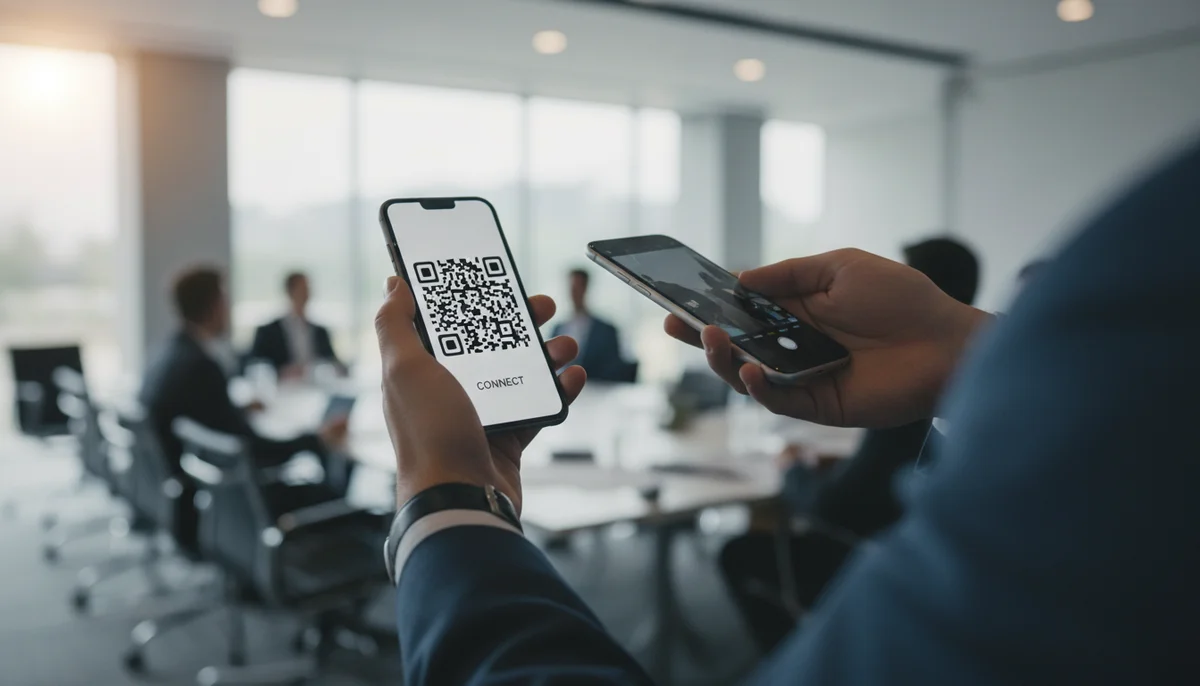
Boost Connections with QR Codes for Networking Events
Discover how QR codes for networking events can help you connect faster, share information easily, and track engagement. Learn to create dynamic QR codes for vCards, port
QR Codes for Networking Events: Revolutionizing How Professionals Connect
In today's fast-paced business world, making a lasting impression at networking events is more crucial than ever. The traditional exchange of paper business cards often falls short, leading to lost contacts, forgotten details, and missed opportunities. Enter the humble yet powerful QR code – a digital tool rapidly transforming how professionals connect, share information, and follow up. Leveraging QR codes for networking events isn't just a trend; it's a strategic imperative for seamless, efficient, and memorable interactions.
This article will delve into the profound impact of QR codes on the networking landscape. We'll explore their versatility for attendees, organizers, and exhibitors alike, offering practical examples and strategic insights to elevate your next event. By the end, you'll understand why integrating QR codes is essential for any modern networking strategy, ensuring every connection counts.
Beyond the Business Card: The Power of Digital Exchange
The iconic stack of business cards, while a staple for decades, presents several inherent limitations. They are easily misplaced, the information printed on them is static, and manually transcribing details into a CRM or contact list is a tedious, error-prone process. Imagine the frustration of reaching out to a promising lead only to find you misentered their email address.
QR codes offer an elegant solution to these challenges, enabling instant digital information exchange with unparalleled efficiency. A simple scan can transfer a wealth of data directly to a smartphone, bypassing manual input entirely. This not only saves time but also significantly reduces the likelihood of errors, ensuring your valuable connections are accurately captured. It's about moving from a paper-based exchange to a rich, digital handshake that extends far beyond a name and a number.
Dynamic vs. Static: The Strategic Choice for Networking Success
When considering QR code implementation, understanding the difference between static and dynamic QR codes is paramount. Each serves a distinct purpose, but for the evolving needs of networking and marketing campaigns, dynamic codes offer a significant advantage.
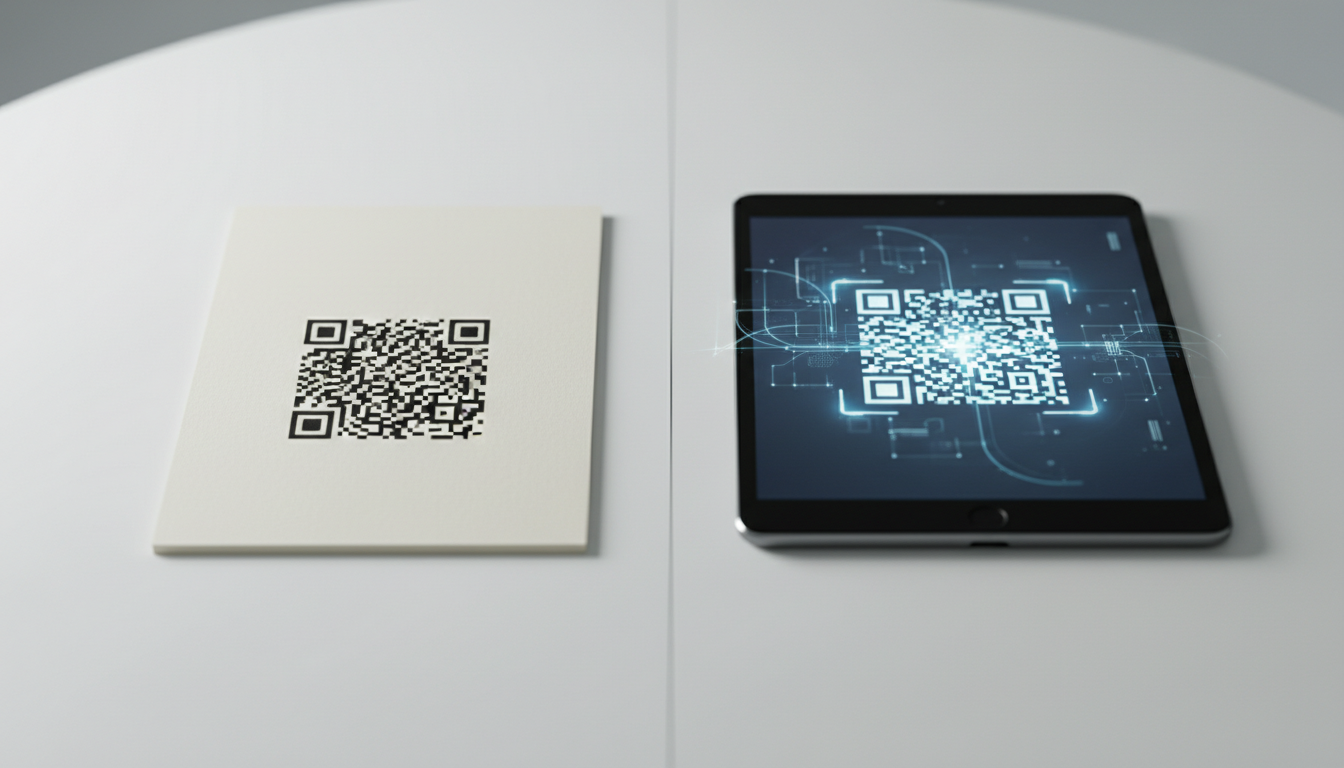
Static QR Codes contain fixed information directly embedded within the code itself. Once generated, the content cannot be changed. This makes them suitable for information that will never need updating, such as a permanent website URL or a fixed piece of text. While simple to create with any Free QR Code Generator, their inflexibility limits their utility for long-term strategies.
Dynamic QR Codes, on the other hand, are a game-changer. They function as a redirect, pointing to a changeable URL hosted by a QR code generator platform. This means the content they link to can be updated at any time without altering the QR code itself. Furthermore, dynamic QR codes come equipped with built-in tracking capabilities, providing invaluable data on scan times, locations, and the devices used. For any serious QR code networking events strategy, leveraging Dynamic QR Codes is essential for their adaptability and measurable insights, allowing you to optimize your campaigns on the fly.
The Versatility of QR Code Content: What Can They Link To?
The true power of QR codes lies in their ability to bridge the physical and digital worlds, linking virtually any digital content to a scannable code. For networking, this opens up a myriad of possibilities:
- vCard Contacts: Instantly share full contact details, including name, title, company, phone, email, website, and even a profile picture.
- LinkedIn Profiles: Direct connections straight to your professional network.
- Company Websites/Landing Pages: Guide prospects to specific product pages, service offerings, or corporate information.
- Digital Portfolios/Resumes: Showcase work samples, presentations, or project details as a PDF or web link.
- Social Media Hubs: Consolidate all your social profiles (Facebook, X, Instagram, etc.) into one easy scan using Social Media QR Codes or a Link List QR Codes.
- Event Registrations/Agendas: Provide quick access to schedules, speaker bios, and venue maps.
- Feedback Forms/Surveys: Gather real-time insights from attendees.
This rich array of content options ensures that a QR code can be tailored to meet almost any networking objective, providing a comprehensive digital footprint with a single scan.
Practical Examples: How to Leverage QR Codes at Your Next Event
The application of QR codes in networking extends across all participants – attendees looking to connect, organizers aiming for a seamless event, and businesses seeking to generate leads.
For Attendees: Making Memorable Connections
Networking is about standing out. A well-placed QR code can transform how you introduce yourself and ensure your new contacts have all your information at their fingertips.
Personal vCard QR Codes: Your Digital Business Card
Imagine meeting someone new, and instead of fumbling for a paper card, you simply point to a QR code on your name badge or phone. A quick scan and all your professional details – name, title, company, phone, email, website, LinkedIn profile, and even a brief bio – are instantly saved to their phone's contacts. This is the power of a vCard QR Code.
How to Implement:
- Use a dedicated vCard QR Code Generator.
- Input all your relevant contact information, including links to social media and your professional website.
- Choose to generate a dynamic vCard QR code. This allows you to update your details (e.g., a new job title or phone number) without having to generate a new QR code or reprint materials.
- Print the QR code on your name badge, a sticker for your phone, or even incorporate it into a minimalist physical business card that prompts a digital interaction.
This method not only ensures accuracy but also provides a richer, more interactive contact profile than a traditional card ever could.
Social Media & Portfolio QR Codes
For creatives, consultants, or anyone whose professional story benefits from visual or expanded context, a QR code linking to a portfolio or specific social media channel is invaluable.
Use Case: A graphic designer attending a creative industry mixer could have a QR code on their lanyard that links directly to their online portfolio. Similarly, a thought leader might use a QR code to share their curated X (formerly Twitter) feed or a recent blog post. You could even use a Social Media QR Codes to consolidate all your profiles onto one landing page, giving contacts a choice of how to connect further. This allows attendees to instantly delve deeper into your work and expertise, long after the initial conversation.
For Event Organizers: Enhancing the Attendee Experience
Event organizers bear the responsibility of creating a smooth, engaging, and informative experience. QR codes can be instrumental in achieving this, from registration to post-event feedback.
Event Information & Agenda Access
Gone are the days of bulky printed programs that often get discarded. Organizers can leverage QR codes to provide instant access to all event-related information.
How to Implement:
- Create a dedicated landing page or PDF document containing the full event agenda, speaker biographies, venue maps, Wi-Fi details (WiFi QR Codes), and any updates.
- Generate a dynamic URL QR Code linking to this page or a PDF QR Code for the program.
- Place these QR codes prominently: on entry tickets, welcome screens, signage around the venue, and even table tents.
- Because it's a dynamic QR code, if a speaker cancels or a session time changes, the linked content can be updated in real-time without needing to replace any physical signage.
This enhances convenience, reduces printing costs, and allows for agile updates throughout the event.
Streamlined Registration & Check-in
Lengthy queues for badge collection can be a major pain point. QR codes can significantly accelerate the check-in process.
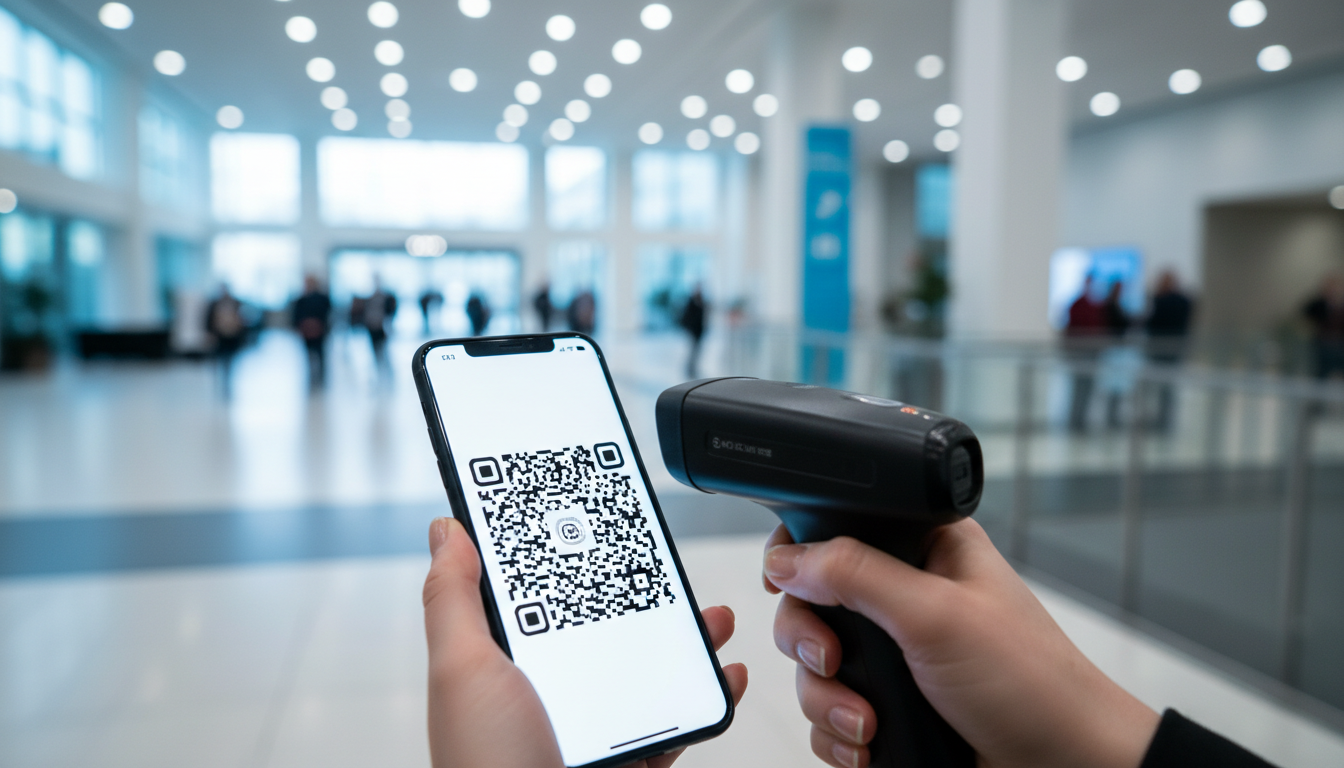
Use Case: Attendees receive an event QR code via email upon registration. Upon arrival, they simply present this code to be scanned, instantly verifying their attendance and printing their badge. For on-site registrations, a QR code can link directly to a mobile-friendly registration Form QR Code, minimizing paperwork and data entry.
Interactive Sessions & Feedback Collection
Engaging attendees during sessions and gathering their insights are vital for event success.
Use Case: During a panel discussion, a QR code displayed on screen could link to a live polling tool or a Q&A submission platform. After a session, another QR code could direct attendees to a quick feedback survey, allowing organizers to gauge satisfaction and identify areas for improvement in real-time. This active participation fosters a more dynamic and responsive event environment.
For Businesses & Exhibitors: Driving Engagement and Leads
Exhibitors invest heavily in events to generate leads and build brand awareness. QR codes provide powerful tools to maximize these efforts, offering interactive content and seamless lead capture.
Digital Brochures & Product Demos
Traditional brochures are often heavy, limited in content, and can quickly run out. Digital alternatives offer rich, trackable experiences.
How to Implement:
- Instead of stacks of paper brochures, place QR codes on your booth signage, table displays, or even on product packaging.
- These QR codes can link to:
- A comprehensive PDF QR Code of your company brochure.
- A high-quality Video QR Code demonstrating your product in action.
- A dedicated landing page (URL QR Code) with detailed product specifications, customer testimonials, or special event offers.
- The ability to track scans using QR Code Analytics gives you insight into which content is most engaging and popular among visitors.
This approach is eco-friendly, cost-effective, and provides a much deeper level of engagement than a static printout.
Seamless Lead Capture & Follow-up
Collecting contact information from interested prospects is a primary goal for exhibitors. QR codes can streamline this process, moving beyond pen-and-paper forms.
Use Case: Create a specialized lead generation form (e.g., using Google Forms or a CRM's landing page builder). Generate a URL QR Code linking directly to this form. Place this QR code prominently at your booth, perhaps with a compelling call-to-action (CTA) like "Scan to receive a free demo" or "Scan for an exclusive event discount." When a prospect scans, they can quickly fill out their details, which are instantly captured. You can even offer a Coupon QR Code for immediate value exchange. This method drastically reduces manual data entry post-event and ensures accurate lead data.
Directing to Business Pages & Social Media
Making it easy for prospects to connect with your company's online presence is crucial for nurturing leads.
How to Implement:
- Display QR codes that link directly to your company's official Business Page QR Code or specific social media profiles.
- This allows interested individuals to instantly follow your company, explore your offerings, and stay updated on your activities. It's a frictionless way to extend the conversation beyond the event floor and build a digital relationship.
Strategy & Implementation: Maximizing Your QR Code Campaigns
Simply generating a QR code isn't enough; strategic planning and careful execution are key to successful QR code networking events.
Designing Effective QR Codes for Maximum Impact
A well-designed QR code is more likely to be scanned. Consider these elements:
- Visual Appeal and Branding: While the core pattern must remain, most QR code generators allow for customization. Incorporate your brand colors, company logo, and even custom shapes to make the QR code visually appealing and recognizable. A branded QR code reflects professionalism and reinforces your identity.
- Clear Call to Action (CTA): Never assume people know what a QR code is for. Always include a concise and compelling CTA next to or within the QR code. Examples include: "Scan to Connect," "Scan for Agenda," "Scan Our Portfolio," "Scan for Free Demo."
- Optimal Placement and Size: Ensure your QR codes are placed where they are easily visible and accessible for scanning. Avoid placing them in cluttered areas or too close to edges. Size matters too; a QR code that's too small will be difficult to scan. A general rule of thumb is that the minimum size should be 1 x 1 inch (2.5 x 2.5 cm) for printed materials, but larger for signage meant to be scanned from a distance.
- Test, Test, Test: Always test your QR code with multiple devices and scanning apps before deployment. Ensure it scans quickly and accurately, and that the linked content loads correctly.
Tracking and Analytics: Measuring Your Success
One of the most powerful advantages of using dynamic QR codes is the ability to track performance. QR Code Analytics provide invaluable data that can inform your current strategies and optimize future campaigns.
- What to Track: Key metrics include the total number of scans, unique scans, geographical location of scans (e.g., specific cities or even different areas within a venue), and the time of day scans occurred.
- Why It's Crucial: Analytics reveal engagement levels. For attendees, it shows how many people are accessing your vCard or portfolio. For organizers, it highlights which event information is most sought after. For exhibitors, it quantifies lead generation efforts.
- How Insights Inform Strategy:
- Content Optimization: If a QR code linking to a specific product video receives significantly more scans than one linking to a generic company profile, you know what content resonates.
- Placement Effectiveness: High scan rates from a QR code placed at the entrance versus one at the back of the room can inform future signage strategies.
- Peak Engagement Times: Understanding when people are most likely to scan can help you schedule promotional pushes or staff your booth more effectively.
By analyzing this data, you can continuously refine your approach to QR code networking events, ensuring maximum return on your efforts.
Creating Your QR Codes: A Step-by-Step Guide
Generating QR codes is a straightforward process, especially with user-friendly platforms.
- Choose a Reliable QR Code Generator: Start by selecting a reputable QR Code Generator that offers dynamic codes, customization options, and analytics.
- Select Your Content Type: Decide what information your QR code will convey. Options include vCard QR Codes, URL QR Codes, PDF QR Codes, Social Media QR Codes, and many more.
- Input Your Data: Enter the relevant information (e.g., your contact details for a vCard, the URL for your website, or the file for a PDF).
- Customize Your Design: Personalize the QR code with your brand colors, logo, and a clear frame. Remember to maintain scannability.
- Generate and Download: Create your QR code and download it in a suitable format (e.g., PNG, SVG) for printing or digital display.
- Test Thoroughly: Scan the QR code multiple times with different devices to ensure it functions perfectly and directs to the correct content.
- Deploy and Monitor: Integrate your QR codes into your networking materials and monitor their performance using the platform's analytics dashboard.
Conclusion
The digital age demands innovative approaches to traditional activities, and networking is no exception. QR codes for networking events offer a powerful, efficient, and data-rich solution to the challenges of making and managing professional connections. From simplifying contact exchange with vCard QR Codes to driving engagement with digital content and providing invaluable QR Code Analytics, QR codes empower individuals, organizers, and businesses to enhance their networking strategies significantly.
By embracing dynamic QR codes and implementing them thoughtfully, you can streamline interactions, provide richer information, and gain actionable insights into your engagement. In a world where every connection counts, QR codes are no longer a novelty but an indispensable tool for forward-thinking professionals and organizations aiming to build stronger, more effective networks. Make your next networking event truly connected – with QR codes.
Ready to Get Started?
Explore our tools to enhance your QR code workflow
Free QR Code Generator
Create unlimited QR codes for free with our easy-to-use generator. No signup required.
Start CreatingTeam Workspace
Collaborate with your team on QR code projects. Share templates, manage permissions, and track usage.
Explore TeamsvCard QR Codes
Share contact information instantly with vCard QR codes. Add to business cards, email signatures, and more.
Create vCardAll tools are available with a free plan to get you started
Frequently Asked Questions
Find quick answers to common questions about this topic
What are the benefits of using QR codes at networking events?
Benefits include instant contact sharing, quick access to portfolios or social media, reduced paper waste, and a modern, professional impression that streamlines connections with new contacts.
How can I create a QR code for my vCard for an event?
You can easily create a vCard QR code using a QR code generator, entering your contact details, and then downloading the generated code to share efficiently with new connections.
Can I track who scans my QR code at a networking event?
Yes, using dynamic QR codes allows you to track real-time scan analytics, including scan location, time, and the number of unique scans, offering valuable insights into engagement.
What types of information can I embed in a networking QR code?
You can embed various types of information, such as vCards, website links, social media profiles, digital portfolios, company brochures, or even direct links to schedule a follow-up meeting.
Are dynamic or static QR codes better for networking events?
Dynamic QR codes are generally better for networking events as they allow you to update the linked information anytime, track scan analytics, and are more flexible for future changes.
Related Articles
Continue exploring QR code strategies and best practices
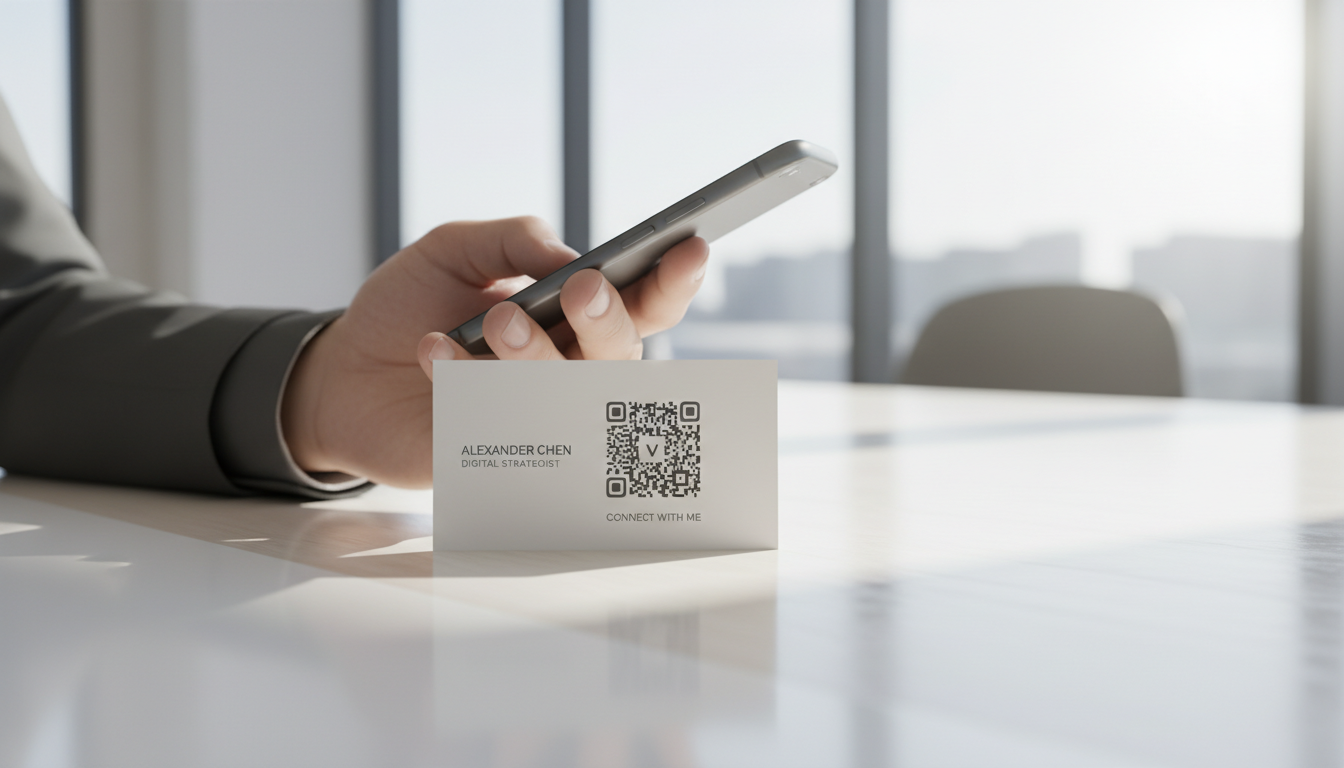
How to Generate a vCard QR Code for Your Business Cards
Learn how to use a vCard QR code generator to create dynamic digital business cards. Easily share contact info and update details anytime, even after printing.
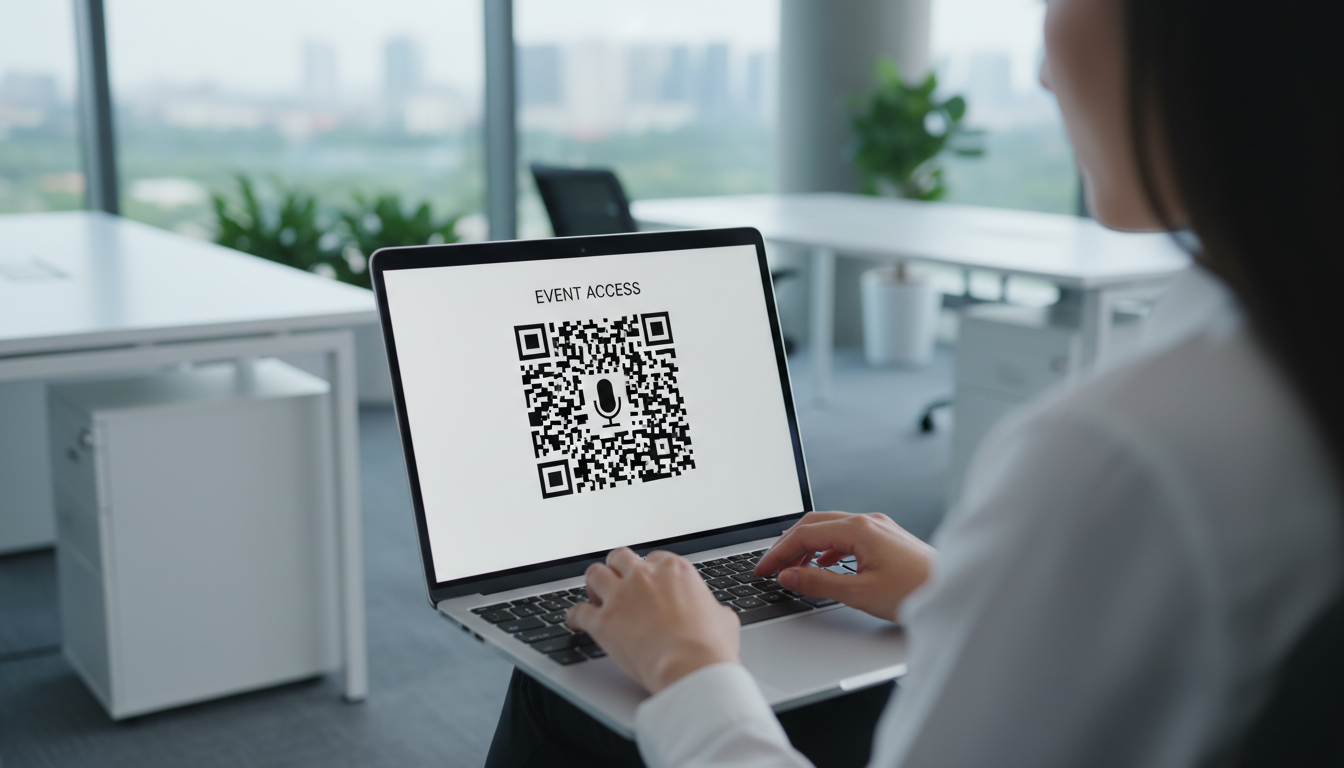
How to Create Event QR Codes: Your Guide to a Powerful Generator
Learn how to easily create event QR codes for seamless registration, engagement, and tracking. Discover the best event QR code generator features for dynamic and editable
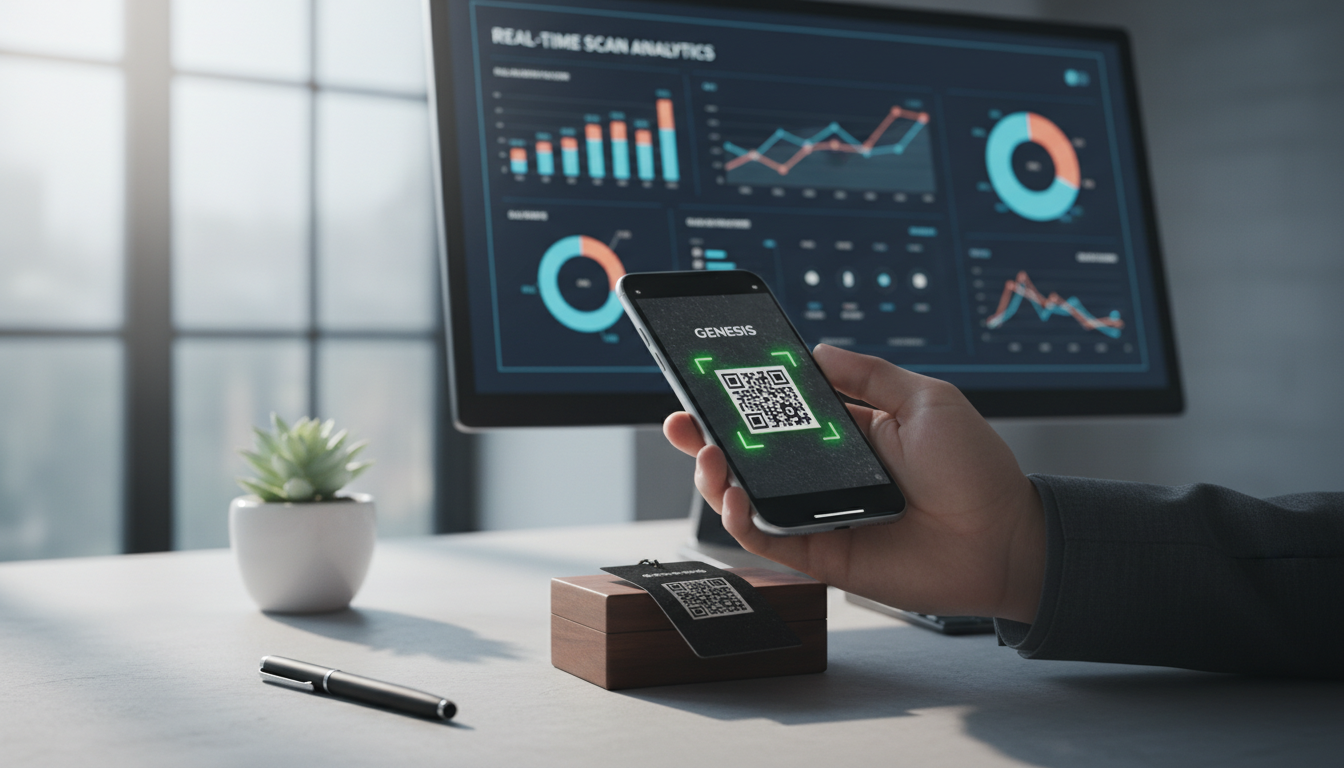
How to Track QR Code Scans for Campaign Success
Learn how to track QR code scans effectively with real-time analytics to measure campaign performance and optimize your marketing efforts. Understand key metrics.

Dynamic QR Code Explained: What It Is, How It Works, & Benefits
Discover what a dynamic QR code is, how it works, and its key advantages for marketing and business. Learn why editable QR codes are essential for modern campaigns with Q
Boost Event Experience: Using QR Codes for Tickets & Access
Discover how event ticket QR codes enhance security, streamline entry, and provide valuable attendee insights. Learn to create dynamic, editable QR codes for seamless eve
Static vs Dynamic QR Code Explained: Benefits of Dynamic QR
Understand static vs. dynamic QR codes. Learn the benefits of dynamic QR codes for marketing, tracking, and content updates. Essential for modern campaigns.

QR Technology Specialist
Sarah has over 8 years of experience in digital marketing and QR code technology. She specializes in helping businesses implement effective QR code strategies.