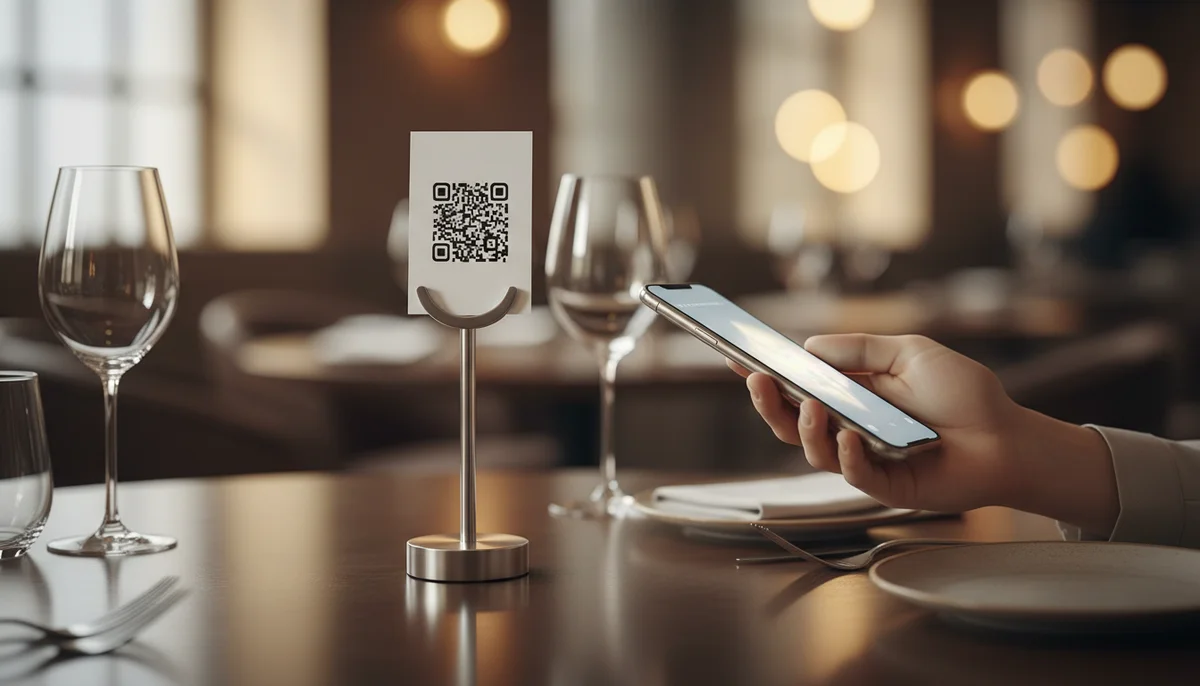
Boost Efficiency with a QR Code Ordering System for Your Restaurant
Discover how a QR code ordering system can transform your restaurant operations. Learn about dynamic QR codes, real-time analytics, and enhancing customer experience.
QR Codes for Restaurant Ordering Systems: Revolutionizing the Dining Experience
The modern restaurant landscape demands agility, efficiency, and an exceptional customer experience. In an era where digital convenience is paramount, the traditional ordering process often struggles to keep pace. This is where a robust qr code ordering system steps in, transforming how diners interact with menus and how establishments manage their operations. From bustling cafes to fine dining restaurants, these systems offer a powerful solution to common industry challenges, enhancing everything from speed of service to staff allocation.
This article delves into the transformative power of QR code ordering for restaurants, exploring its benefits, practical applications, and strategic implementation. We'll uncover how this technology not only streamlines processes but also creates new avenues for customer engagement and business growth.
What is a QR Code Ordering System?
At its core, a qr code ordering system allows customers to scan a QR code with their smartphone, access a digital menu, place an order, and often pay, all without direct interaction with staff. This seamless, self-service model empowers diners with control and speed, while providing restaurants with significant operational advantages. The system typically links to an online platform where menus can be updated in real-time and orders are sent directly to the kitchen or bar.
This digital shift eliminates the need for physical menus, reduces potential for order errors, and frees up staff to focus on higher-value tasks like customer service and table management. It's a modern upgrade that addresses hygiene concerns, labor shortages, and the constant drive for efficiency in the hospitality sector.
Why Restaurants Are Embracing QR Code Ordering Systems
The adoption of QR code ordering systems isn't just a fleeting trend; it's a strategic move driven by several compelling benefits:
Enhanced Efficiency and Reduced Labor Costs
With customers managing their own ordering, staff can be redirected from taking orders to serving food, clearing tables, and providing personalized assistance. This optimized labor allocation directly contributes to operational efficiency and can help mitigate the impact of staffing shortages. Restaurants can serve more customers with fewer front-of-house staff, improving profitability.
Superior Accuracy and Faster Service
Manual order-taking is prone to errors, leading to wasted food and customer frustration. A digital qr code ordering system minimizes these mistakes, as customers directly input their choices and customizations. This accuracy translates to quicker kitchen turnaround times and a smoother dining experience, which in turn boosts customer satisfaction and table turnover.
Dynamic Menu Management and Upselling Opportunities
Unlike static print menus, digital menus linked via QR codes can be updated instantly. Daily specials, out-of-stock items, and price changes can be managed in real-time, preventing disappointment. Furthermore, these systems are excellent platforms for suggestive selling, featuring high-margin items, meal bundles, or tempting add-ons directly within the ordering flow. This makes it easy for restaurants to craft appealing Restaurant Menu QR Codes that are always current.
Rich Data Collection and Personalization
Every interaction within a QR code ordering system generates valuable data. Restaurants can track popular dishes, peak ordering times, customer preferences, and average spend. This QR code analytics provides actionable insights for menu optimization, marketing campaigns, and even staff scheduling. With this information, establishments can tailor promotions and create personalized experiences, fostering greater customer loyalty. For in-depth insights, a dedicated QR Code Analytics platform can be invaluable.
Improved Hygiene and Safety Standards
The pandemic underscored the importance of contactless solutions. QR code ordering minimizes physical touchpoints, offering a safer and more hygienic environment for both customers and staff. This reassurance can be a significant draw for health-conscious diners.
Dynamic vs. Static QR Codes for Menus
When implementing a QR code ordering system, understanding the difference between dynamic and static QR codes is crucial.
- Static QR Codes: These codes embed the destination URL directly within the code itself. Once generated, the linked content cannot be changed without generating a completely new QR code. For a restaurant, this means if a menu item changes, or a link breaks, all printed static QR codes become obsolete.
- Dynamic QR Codes: These codes use a short URL that redirects to your desired content. The magic happens behind the scenes: you can change the destination URL of the short link anytime, without altering the physical QR code itself. This flexibility is indispensable for restaurants. If your menu prices change, an item sells out, or you update your website, you simply edit the destination link in your
QR code generatordashboard. The existing QR codes on your tables remain functional and direct customers to the updated content.
For menu systems, dynamic QR codes are the clear winner. They offer unparalleled flexibility, trackability (through QR code analytics), and longevity, ensuring your investment in QR codes remains valuable. Using a platform that offers Dynamic QR Codes is essential for any modern restaurant.
Practical Examples of QR Code Ordering in Action
Let's look at how restaurants are leveraging QR code ordering systems to enhance various aspects of their business:
1. Streamlining Dine-In Ordering
Imagine a busy lunch rush. Instead of waiting for a server, customers scan a QR code prominently displayed on their table. They instantly access the digital menu, browse high-quality images of dishes, read detailed descriptions, and place their order. They can even customize items and specify dietary restrictions. The order goes straight to the kitchen display system, reducing the potential for miscommunication and speeding up food preparation. Payment is often integrated, allowing customers to pay at their convenience, further accelerating table turnover.
2. Enhancing Takeout and Curbside Pickup
Restaurants can place QR codes on their windows, flyers, or social media posts. Customers scan the code, browse the menu, place their takeout order, and pay online before even arriving. For curbside pickup, they can notify the restaurant of their arrival with a quick text or app notification linked via a QR code, ensuring a seamless handover without customers needing to leave their car. This offers an efficient alternative to phone orders or third-party delivery apps with high commission fees.
3. Engaging Customers Beyond the Menu
A qr code ordering system isn't just for transactions. Restaurants can utilize QR code marketing to:
- Collect Feedback: Link a QR code on the receipt or table tent to a quick feedback survey. This provides immediate insights into customer satisfaction.
- Promote Loyalty Programs: Encourage sign-ups for loyalty programs with a QR code that directs customers to a registration page, offering exclusive discounts or future perks.
- Showcase Special Events: A QR code on a bar coaster could link to an upcoming live music schedule or happy hour specials.
- Tell Your Story: A QR code on an ingredient label or placemat could link to a video about your farm-to-table sourcing, enhancing brand connection.
- Offer Limited-Time Coupons: Distribute Coupon QR Codes that offer discounts on specific items or during off-peak hours, driving traffic and boosting sales.
For a restaurant specializing in local ingredients, a QR code could link to short video clips introducing the farmers or the origin of their produce. This elevates the dining experience beyond just the food.
Strategy and Implementation: Getting Your QR Code System Right
Implementing a qr code ordering system requires careful planning to ensure it integrates seamlessly with your existing operations and truly benefits your restaurant.
Choosing the Right QR Code Ordering System Provider
Selecting the correct platform is paramount. Look for a provider that offers:
- Intuitive Digital Menu Creation: Easy to update, with options for high-quality images and detailed descriptions.
- Robust POS Integration: The system should ideally integrate with your existing Point of Sale (POS) system for streamlined order management and payment processing.
- Multiple Payment Gateways: Offer diverse payment options to cater to all customers.
- Detailed QR Code Analytics: Essential for tracking performance, understanding customer behavior, and optimizing your offerings.
- Customization and Branding: The ability to customize the digital menu and QR codes to match your restaurant's brand identity. Using Custom QR Design ensures your QR codes align perfectly with your restaurant's aesthetic, maintaining brand consistency.
- Scalability: Choose a system that can grow with your business, whether you expand locations or add new services.
Step-by-Step Implementation Guide
- Select Your Platform & QR Code Generator: Partner with a reliable provider offering a comprehensive solution. Ensure they have a robust
QR code generatorthat supports dynamic links. You could even start with a Free QR Code Generator to explore basic functionalities before investing in a full system. - Design Your Digital Menu:
- Structure: Organize your menu logically (Appetizers, Mains, Desserts, Drinks).
- Descriptions: Write compelling descriptions for each item, highlighting key ingredients and flavors.
- High-Quality Images: Visuals are crucial. Invest in professional food photography to entice diners.
- Allergen & Dietary Information: Clearly label allergens and offer options for dietary restrictions.
- Generate and Place Your QR Codes:
- Placement: Strategically place QR codes on tables (table tents, stickers), windows, entrance doors, and even on staff uniforms. Ensure they are easily scannable and visible.
- Call to Action (CTA): Accompany each QR code with a clear CTA, such as "Scan to View Menu & Order" or "Order & Pay Here."
- Test: Always test your QR codes before deployment to ensure they link correctly and the ordering process is smooth.
- Integrate Payment Gateways: Set up secure payment options directly within the system to offer customers a seamless checkout experience. This reduces friction and speeds up transactions.
- Train Your Staff: While QR code ordering reduces direct interaction, staff still play a vital role. Train them on:
- How the system works and how to assist customers who may need help.
- Managing incoming orders and kitchen integration.
- Troubleshooting common issues.
- The benefits for both the restaurant and the customer, so they can advocate for its use.
- Promote and Gather Feedback:
- Educate Customers: Use small table signs or brief verbal cues to introduce the new system.
- Collect Feedback: Implement a simple feedback mechanism within the system or via a separate QR code to continuously improve the user experience.
- Leverage Analytics: Regularly review your
QR code analyticsto understand popular dishes, peak times, and customer preferences. Use these insights to refine your menu and marketing efforts.
Best Practices for QR Code Placement
- Accessibility: Ensure QR codes are placed at an ergonomic height and are easily scannable from a comfortable distance.
- Durability: Use high-quality, weather-resistant materials for outdoor placements.
- Clear Instructions: Always include a brief, clear instruction next to the QR code.
- Brand Consistency: Integrate your restaurant's branding into the QR code design and the digital menu interface.
- Regular Checks: Periodically scan your codes to ensure they are still functional and link to the correct content.
Conclusion
The adoption of a qr code ordering system is no longer a luxury but a strategic imperative for restaurants aiming to thrive in the digital age. By embracing this technology, establishments can unlock unprecedented levels of efficiency, accuracy, and customer satisfaction. From optimizing labor to personalizing the dining experience and gaining invaluable QR code analytics, the benefits are far-reaching.
As the industry continues to evolve, QR code ordering will remain at the forefront of innovation, empowering restaurants to deliver exceptional service while building a more sustainable and profitable business model. Don't get left behind; explore how a qr code ordering system can transform your restaurant today.
Ready to Get Started?
Explore our tools to enhance your QR code workflow
Free QR Code Generator
Create unlimited QR codes for free with our easy-to-use generator. No signup required.
Start CreatingTeam Workspace
Collaborate with your team on QR code projects. Share templates, manage permissions, and track usage.
Explore TeamsRestaurant Menu QR Codes
Create contactless digital menus for restaurants. Update your menu in real-time without reprinting.
Create MenuAll tools are available with a free plan to get you started
Frequently Asked Questions
Find quick answers to common questions about this topic
What is a QR code ordering system for restaurants?
A QR code ordering system allows customers to scan a QR code at their table or when browsing, accessing a digital menu to place orders directly from their smartphone, streamlining the ordering process.
How do QR codes enhance restaurant efficiency and customer experience?
QR codes reduce wait times, minimize order errors, and free up staff for other tasks, leading to faster service and a more convenient experience for diners.
Can I edit my restaurant's QR code menu after it's been printed?
Yes, using dynamic QR codes, you can update your digital menu, prices, or specials at any time without reprinting the physical QR codes, ensuring accuracy and flexibility.
What are the benefits of using a contactless ordering system?
Contactless ordering with QR codes offers enhanced hygiene, speed, and convenience, reducing physical touchpoints and providing a modern dining experience. It also allows for easier menu updates.
How can QR-Build's analytics help my restaurant's QR code ordering system?
QR-Build provides real-time scan analytics, allowing restaurants to track menu views, popular items, peak ordering times, and customer engagement, which helps optimize operations and marketing strategies.
Related Articles
Continue exploring QR code strategies and best practices
Restaurant QR Code Menus: Boost Efficiency & Customer Experience
Discover how restaurant QR code menus can transform your dining experience. Learn about dynamic QR codes, real-time analytics, and easy updates for your menu.
QR Codes for Restaurant Menus: Create a Contactless Menu in 5 Mins
Discover how to easily create a QR code for your restaurant menu in just 5 minutes. Enhance safety, update quickly, and offer a seamless contactless dining experience.

Dynamic QR Code Explained: What It Is, How It Works, & Benefits
Discover what a dynamic QR code is, how it works, and its key advantages for marketing and business. Learn why editable QR codes are essential for modern campaigns with Q
Best Restaurant QR Code Platforms for Digital Menus
Discover the best restaurant QR code platforms for creating dynamic digital menus. Compare features like editable codes, analytics, and multi-location management to find
Unlocking Insights: How QR Code Analytics Boost Marketing Campaigns
Discover how QR code analytics provide real-time insights into user engagement, scan locations, and campaign performance. Optimize your marketing strategies with powerful
Mastering Your Menu: A Comprehensive Guide to Digital & QR Menus
Unlock the full potential of your restaurant's menu with our expert guide. Explore digital menu solutions, QR code integration, and design tips to enhance customer experi

QR Technology Specialist
Sarah has over 8 years of experience in digital marketing and QR code technology. She specializes in helping businesses implement effective QR code strategies.