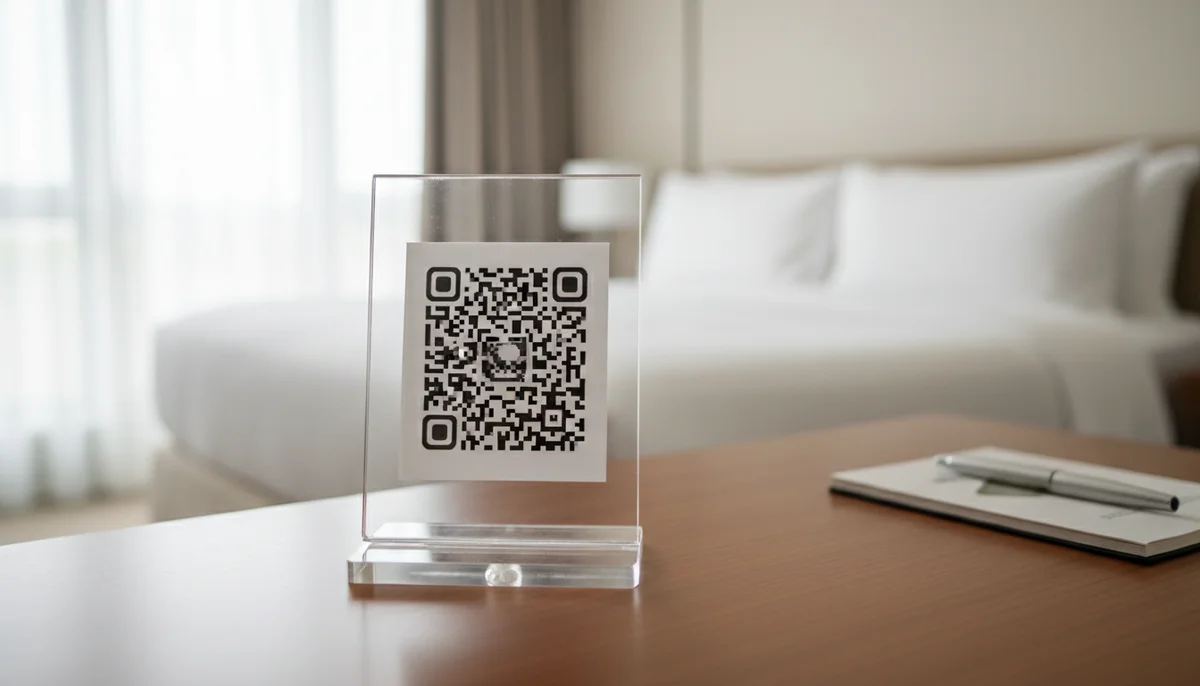
Enhance Guest Experience with QR Code Hotel Services
Discover how QR codes can revolutionize hotel services, from seamless check-ins to instant room service. Learn to create editable QR codes for enhanced guest experience a
QR Codes for Hotels: Revolutionizing Guest Experience and Operational Efficiency
In today's competitive hospitality landscape, hotels are constantly seeking innovative ways to enhance guest satisfaction, streamline operations, and boost their bottom line. The digital transformation has brought numerous tools to the forefront, and among the most versatile and impactful are QR codes. These simple squares hold the power to unlock a world of convenience, efficiency, and personalized service, fundamentally changing the way hotels interact with their guests. Mastering the deployment of qr code hotel services is no longer a luxury but a strategic imperative for any forward-thinking establishment.
The Digital Concierge: How QR Codes Elevate Hospitality
For years, the hotel experience has been defined by physical touchpoints – paper menus, bulky guest directories, and front desk queues. While traditional service remains valuable, guests increasingly expect instant access to information and seamless interactions, mirroring their digital lives. QR codes bridge this gap, offering a frictionless way to connect the physical hotel environment with a rich digital ecosystem.
By simply scanning a code with their smartphone, guests can instantly access a wealth of information and services, all without downloading a dedicated app or enduring frustrating delays. This not only enhances the guest experience but also significantly improves operational efficiency for hotel staff, reducing manual tasks and freeing up resources for more personalized interactions.
Key Benefits of Integrating QR Codes:
- Enhanced Guest Experience: Provides immediate access to information and services, reducing friction and wait times.
- Operational Efficiency: Automates routine inquiries, reduces printing costs, and streamlines service requests.
- Sustainability: Minimizes paper waste by digitizing menus, directories, and promotional materials.
- Personalization & Upselling: Delivers targeted offers and promotes amenities at the right moment.
- Data-Driven Insights: Tracks guest engagement with various services, informing future strategies through robust QR code analytics.
Core Applications of QR Codes in Hotels
The versatility of QR codes means they can be deployed across virtually every guest touchpoint within a hotel. From the moment a guest books their stay to their departure, these digital tools can enrich their journey.
Streamlining Check-in and Check-out
Imagine a seamless arrival where guests bypass the front desk entirely. By placing a QR code in booking confirmations or at the hotel entrance, guests can initiate a mobile check-in process. Similarly, at the end of their stay, a QR code can lead them to a digital check-out form, view their bill, or even arrange for luggage assistance. This not only saves time for guests but also reduces queues and workload for front desk staff during peak hours.
Revolutionizing In-Room Services
The guest room is where comfort and convenience are paramount. QR codes can transform the in-room experience:
- Digital Menus: Replace bulky, often outdated, physical menus for room service, breakfast, or the minibar. A Restaurant Menu QR Code placed on the nightstand or table allows guests to browse, customize, and order directly from their phone. This ensures menus are always up-to-date with current pricing and availability.
- Concierge Services: A dedicated QR code can connect guests directly to a digital concierge service, offering information on local attractions, transportation, or even booking spa treatments and restaurant reservations. For quick contact information, a vCard QR Code can be prominently displayed for key personnel like the concierge or hotel manager.
- Hotel Directory: Instead of a multi-page binder, a single QR code can link to a comprehensive digital hotel directory, detailing amenities, emergency procedures, operating hours, and contact numbers. This can be easily updated, saving significant printing costs and effort, especially when using a PDF QR Code for a digital brochure.
- Smart Room Controls: In modern hotels, a QR code could link to an interface for adjusting room temperature, lighting, or even controlling smart entertainment systems, offering a personalized and tech-forward experience.
Enhanced Guest Information and Connectivity
Helping guests navigate the hotel and its surroundings is crucial.
- Wi-Fi Access: One of the most common guest inquiries is about Wi-Fi. A WiFi QR Code placed in rooms, lobbies, and common areas eliminates the need to manually type in complex network names and passwords, offering instant connectivity with a single scan.
- Local Attractions & Maps: Provide curated recommendations for nearby restaurants, tourist spots, or shopping districts. A QR code can link directly to Google Maps directions or a curated list of local experiences.
- Event Schedules: For hotels hosting conferences or events, QR codes can display daily schedules, speaker bios, and venue maps, keeping attendees informed.
Feedback, Reviews, and Loyalty Programs
Gathering guest feedback is vital for continuous improvement.
- Instant Feedback Forms: After a service interaction or at check-out, a QR code can lead guests to a brief survey, making it easy for them to provide immediate feedback.
- Review Platform Links: Encourage guests to share their positive experiences by linking directly to TripAdvisor, Google Reviews, or other relevant platforms.
- Loyalty Program Enrollment: Promote and simplify enrollment in loyalty programs with a QR code that takes guests directly to the registration page.
Practical Examples: QR Codes in Action
Let's look at specific scenarios where qr code hotel services deliver tangible value.
Example 1: The Digital Room Service Menu
Problem: Printing and updating physical room service menus is expensive, time-consuming, and contributes to waste. Menus often become worn or outdated quickly.
Solution: Implement a Restaurant Menu QR Code.
- Create: Using a Free QR Code Generator, create a dynamic QR code that links to your digital menu (a PDF, a web page, or an online ordering system).
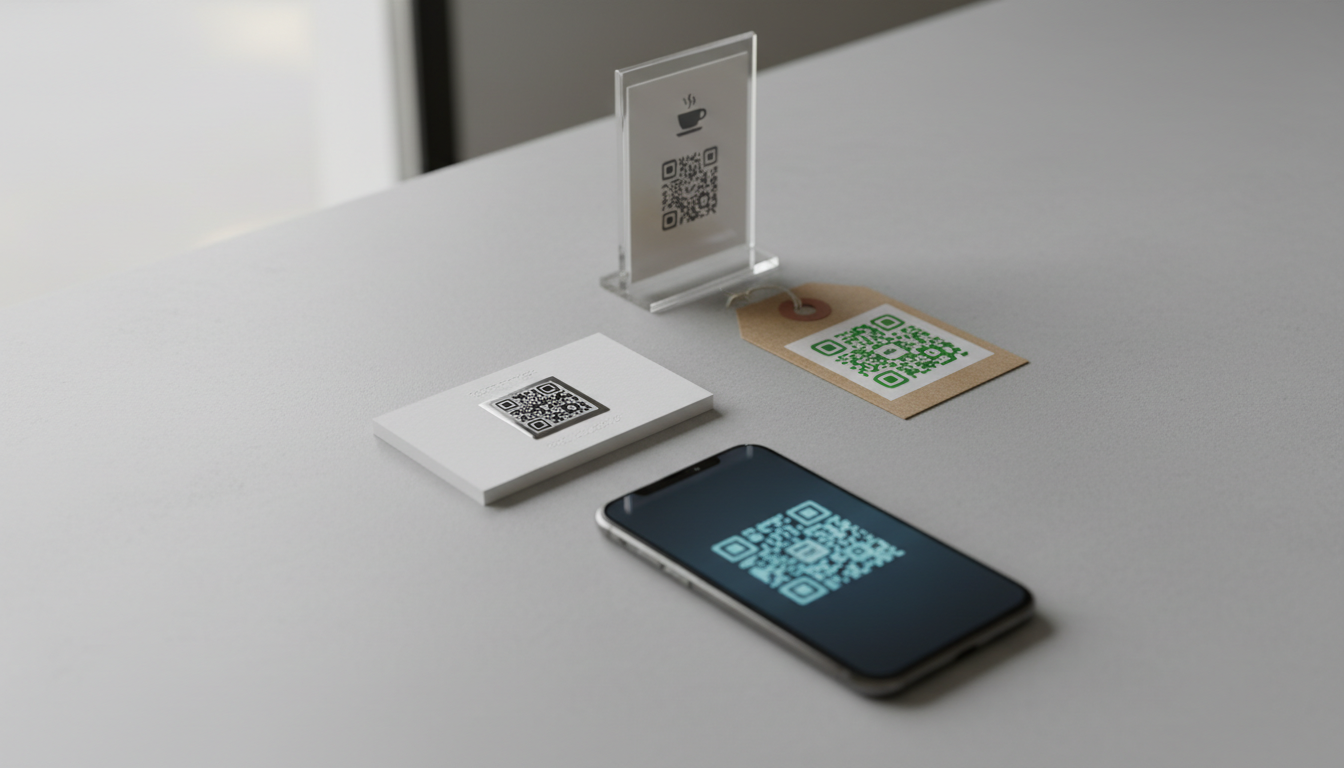
- Placement: Place the QR code prominently on a small tent card on the nightstand or desk in each guest room.
- Guest Experience: A guest scans the code, browses the interactive menu on their phone, and places an order directly.
- Hotel Benefits:
- Cost Savings: No more printing costs.
- Real-Time Updates: Menus can be updated instantly with daily specials, sold-out items, or seasonal changes without reprinting.
- Sustainability: Reduced paper waste aligns with green initiatives.
- Analytics: Track popular items, peak ordering times, and even measure conversion rates if linked to an ordering system.
Example 2: Seamless Wi-Fi Access
Problem: Guests often struggle with finding Wi-Fi passwords, leading to calls to the front desk and frustration.
Solution: Deploy WiFi QR Codes.
- Generate: Use a QR code generator to create a Wi-Fi QR code. This code will automatically configure a guest's device to connect to your hotel's Wi-Fi network upon scanning, without them needing to input the SSID or password.
- Placement: Place these codes in guest rooms, the lobby, conference areas, and any public spaces.
- Guest Experience: Guests simply open their camera app or a QR scanner, scan the code, and are instantly connected.
- Hotel Benefits:
- Reduced Inquiries: Fewer calls to the front desk about Wi-Fi issues.
- Enhanced Satisfaction: Guests appreciate the immediate and easy connectivity.
- Professional Image: Showcases a tech-savvy and guest-focused approach.
Example 3: Enhancing Local Exploration with URL QR Codes
Problem: Guests often ask for local recommendations, and providing physical maps or printed lists can be cumbersome and quickly outdated.
Solution: Utilize dynamic URL QR Codes for curated local guides.
- Curate: Create a mobile-friendly web page or a Google My Maps list featuring recommended local restaurants, attractions, shops, and transportation options.
- Generate: Create a dynamic QR code linking to this resource.
- Placement: Display the QR code at the concierge desk, in the lobby, or within guest rooms.
- Guest Experience: Guests scan the code and access an up-to-date, interactive guide on their smartphone, complete with links to websites, booking platforms, and navigation.
- Hotel Benefits:
- Always Current: Information can be updated in real-time, ensuring guests always have the latest recommendations.
- Personalized Touch: Demonstrate local expertise and care for guest experience.
- Potential Partnerships: Link to local businesses and potentially earn referral fees.
- Analytics: See which recommendations are most popular.
Implementing a Successful QR Code Strategy for Hotels
Integrating QR codes effectively requires more than just creating a few codes. It demands a thoughtful strategy, careful planning, and continuous optimization.
1. Define Your Objectives
Before you begin generating codes, determine what you want to achieve. Are you looking to:
- Reduce front desk inquiries?
- Increase room service orders?
- Improve guest feedback rates?
- Drive traffic to your social media (e.g., Social Media QR Codes)?
- Promote specific amenities?
Clear objectives will guide your QR code campaigns and help measure success.
2. Choose the Right QR Code Generator and Type
Selecting a reliable Free QR Code Generator is crucial. While static QR codes are fine for unchanging information (like a static Wi-Fi password), dynamic QR codes are essential for most hotel applications. Dynamic codes allow you to:
- Edit the linked content: Change the URL or destination of the QR code without reprinting the code itself. This is invaluable for seasonal menus, changing promotions, or correcting errors.
- Track scans: Gain insights into when and where your QR codes are being scanned, informing your QR code analytics and future marketing efforts.
- A/B test: Test different landing pages or offers to see what resonates best with your guests.
3. Design and Placement Matter
- Branding: Incorporate your hotel's logo and brand colors into the QR code design to maintain consistency and professionalism. Many generators offer custom QR design options.
- Call to Action: Always include a clear, concise call to action (e.g., "Scan for Room Service," "Scan for Wi-Fi," "Scan to Explore Local Guide") next to the QR code.
- Optimal Placement: Place QR codes where they are easily visible and scannable without obstruction. Consider the guest's natural flow and common touchpoints.
- Size: Ensure the QR code is large enough to be easily scanned but not so large that it overwhelms its surroundings.
4. Educate Your Staff
Your hotel staff are key ambassadors for any new technology. Train them on:
- How QR codes work: So they can confidently explain their function to guests.
- Where QR codes are placed: To direct guests effectively.
- The benefits for guests: To champion the new tools.
This ensures a smooth transition and maximum adoption of your qr code hotel services.
5. Analyze and Optimize Your Campaigns
The beauty of dynamic QR codes lies in their trackability. Utilize QR code analytics to monitor:
- Scan rates: Which codes are being scanned most frequently?
- Location data: Where are scans occurring?
- Time of day: When are guests most engaged?
These insights will help you refine your QR code marketing strategy, optimize placements, and continually improve the guest experience. For example, if your room service menu QR code has low scan rates, you might need to adjust its placement or improve the call to action. Conversely, high scan rates on a local guide QR code confirm its value and could lead to expanding such offerings.
Conclusion
QR codes are no longer a novelty; they are a fundamental tool for modern hospitality, enabling hotels to deliver seamless, personalized, and efficient experiences. By strategically integrating qr code hotel services, establishments can significantly enhance guest satisfaction, optimize operational workflows, and gather valuable data to drive future innovation. From digital menus and effortless Wi-Fi access to instant feedback mechanisms and comprehensive local guides, the possibilities are vast. Embracing this technology isn't just about keeping up with trends; it's about setting a new standard for guest-centric service in the digital age. Start exploring how QR codes can transform your hotel today and unlock a new era of guest engagement and operational excellence.
Ready to Get Started?
Explore our tools to enhance your QR code workflow
Free QR Code Generator
Create unlimited QR codes for free with our easy-to-use generator. No signup required.
Start CreatingTeam Workspace
Collaborate with your team on QR code projects. Share templates, manage permissions, and track usage.
Explore TeamsRestaurant Menu QR Codes
Create contactless digital menus for restaurants. Update your menu in real-time without reprinting.
Create MenuAll tools are available with a free plan to get you started
Frequently Asked Questions
Find quick answers to common questions about this topic
What are the primary uses of QR codes in hotels?
QR codes in hotels streamline operations and enhance guest experience. They are used for digital menus, WiFi access, mobile check-in, room service, feedback forms, and local attraction guides.
How can QR codes improve the guest experience at my hotel?
QR codes provide instant access to information and services, reducing wait times and manual interactions. Guests can quickly access amenities, make requests, and explore hotel offerings directly from their smartphones, leading to greater satisfaction.
Are QR codes used in hotels editable after they've been printed?
Yes, with dynamic QR codes, you can update the linked content anytime, even after printing. This is ideal for hotels that frequently change menus, event schedules, or promotional offers without needing to reprint materials.
What kind of data can hotels track from QR code scans?
Hotels can track valuable analytics like the number of scans, location of scans, time of day, and device types. This data helps optimize services, understand guest behavior, and measure the effectiveness of marketing campaigns.
How can hotels efficiently manage numerous QR codes for different services?
Platforms like QR-Build offer team workspaces and centralized dashboards for hotels to create, organize, and manage many QR codes across various departments and locations. This ensures consistency and simplifies large-scale deployment.
Related Articles
Continue exploring QR code strategies and best practices
Mastering Your Menu: A Comprehensive Guide to Digital & QR Menus
Unlock the full potential of your restaurant's menu with our expert guide. Explore digital menu solutions, QR code integration, and design tips to enhance customer experi

Dynamic QR Code Explained: What It Is, How It Works, & Benefits
Discover what a dynamic QR code is, how it works, and its key advantages for marketing and business. Learn why editable QR codes are essential for modern campaigns with Q
How to Create a QR Code for Your Restaurant Menu
Learn how to easily create a QR code for your restaurant menu using QR-Build. Discover the benefits of dynamic QR codes that allow for updates even after printing. Enhanc
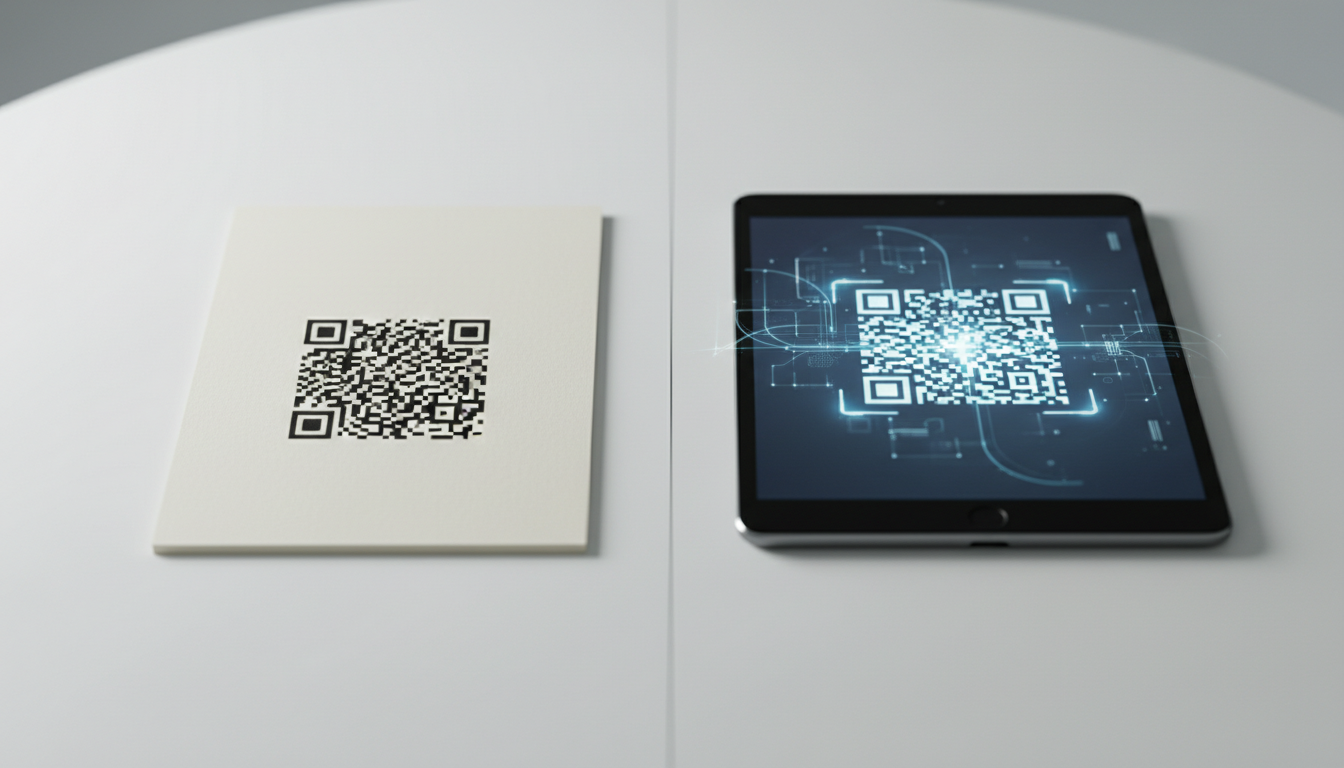
Static vs Dynamic QR Code Explained: Benefits of Dynamic QR
Understand static vs. dynamic QR codes. Learn the benefits of dynamic QR codes for marketing, tracking, and content updates. Essential for modern campaigns.
What are the Main QR Code Types? Static, Dynamic & More
Explore the different QR code types, from static to dynamic. Learn their unique features, benefits, and best uses for business with QR-Build.

Event QR Code Generator Guide: Streamline Your Event Planning
Discover how to effortlessly create QR codes for your events using a powerful generator. This guide simplifies attendee management, ticket sales, and marketing for any ev

QR Technology Specialist
Sarah has over 8 years of experience in digital marketing and QR code technology. She specializes in helping businesses implement effective QR code strategies.