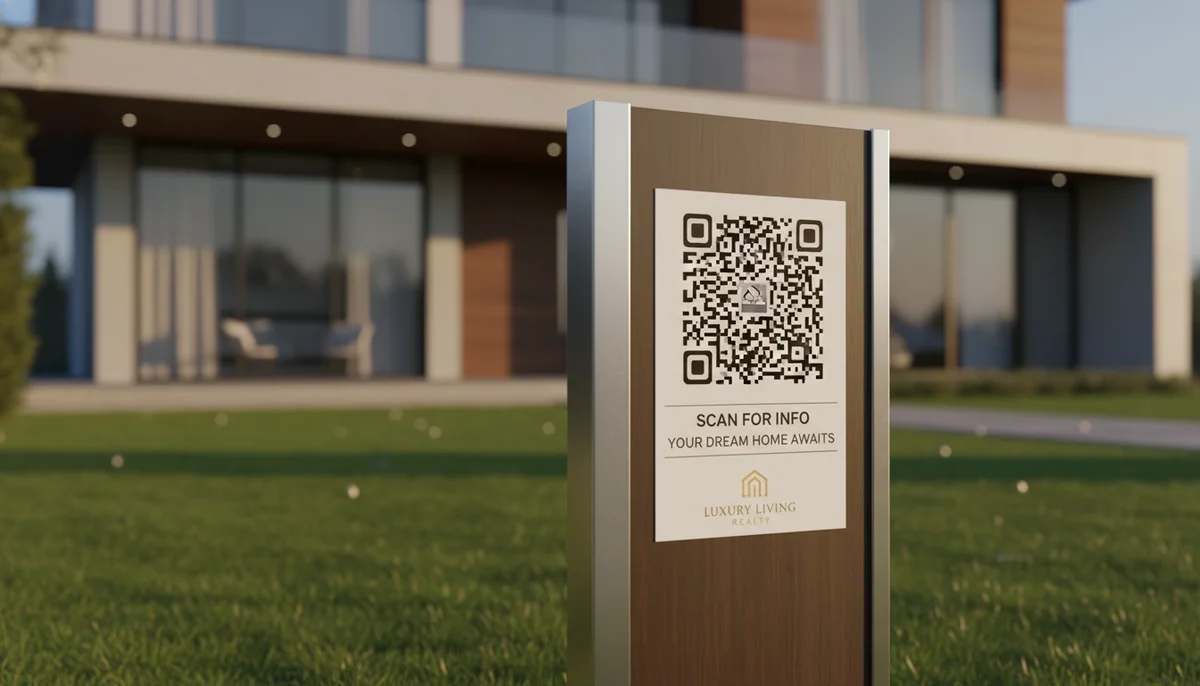
Boost Real Estate Listings with Dynamic QR Codes for Agents
Discover how real estate QR codes can transform your property listings. Engage buyers with instant access to virtual tours, details, and agent contact info. Learn to crea
QR Codes for Real Estate Listings
In today's hyper-connected world, the real estate market demands more than just a "For Sale" sign. Prospective buyers are tech-savvy, digitally native, and expect immediate access to comprehensive information. This shift necessitates innovative marketing tools that bridge the gap between physical property viewings and rich online content. Enter the real estate QR code – a powerful, yet often underutilized, asset that can revolutionize how properties are marketed and sold.
A strategically deployed QR code transforms a static sign or brochure into an interactive gateway, offering instant access to virtual tours, detailed property specs, agent contact information, and much more. This article will explore the practical applications, strategic implementation, and measurable benefits of integrating QR codes into your real estate marketing campaigns, helping you attract more qualified leads and close deals faster.
Why QR Codes are a Game-Changer for Real Estate Professionals
The traditional real estate journey often involves multiple touchpoints and information silos. Buyers see a sign, remember an address, go home, search online, and then potentially contact an agent. QR codes streamline this entire process, putting crucial information directly into the hands of an interested party, precisely when their interest is piqued.
- Instant Information Access: A quick scan immediately delivers detailed property listings, high-resolution photo galleries, floor plans, neighborhood demographics, and virtual tours.
- Enhanced Engagement: QR codes transform passive viewing into an interactive experience, captivating potential buyers with rich multimedia content beyond what a print ad can offer.
- Lead Generation & Nurturing: Collect contact information, direct to sign-up forms for open house notifications, or provide immediate access to agent details for follow-up.
- Measurable Marketing Efforts: Unlike static print, QR codes can be tracked, providing invaluable data on scanner engagement, location, and preferred content.
Static vs. Dynamic QR Codes: The Smart Choice for Real Estate
When generating QR codes, you'll typically encounter two types: static and dynamic. Understanding the difference is crucial for effective real estate QR code marketing.
- Static QR Codes: These codes directly embed the destination URL or information. Once generated, the content they link to cannot be changed without generating an entirely new QR code. For real estate, where property details or availability frequently change, static QR codes can quickly become obsolete, leading to a frustrating user experience.
- Dynamic QR Codes: These codes act as a redirect, pointing to a short URL that, in turn, links to your desired content. The real power of Dynamic QR Codes lies in their flexibility. You can update the linked content (e.g., change the property page, replace a virtual tour, update availability) at any time, without needing to reprint the QR code itself. This makes them ideal for time-sensitive listings or A/B testing different marketing materials.
For any ongoing QR code campaign in real estate, dynamic QR codes are the unequivocal choice. They save costs on reprinting, ensure accuracy, and provide the foundation for robust analytics.
Leveraging QR Codes for Comprehensive Property Information
Imagine a prospective buyer scanning a QR code on a yard sign and instantly getting access to everything they need. This is the promise of QR codes in real estate. Here are key content types you can link to:
- Detailed Property Pages: Direct scanners to your dedicated listing page on your website, featuring high-quality photos, detailed descriptions, property specifications (beds, baths, square footage, lot size), and energy efficiency ratings. Use URL QR Codes for this.
- Virtual Tours & Video Walkthroughs: Offer immersive experiences that allow buyers to "walk through" a property from their phone. A Video QR Code can link directly to a YouTube or Vimeo tour, or a hosted virtual reality experience.
- Digital Brochures & Floor Plans: Instead of carrying stacks of paper, provide a convenient digital brochure. A PDF QR Code allows instant download of floor plans, property feature sheets, and neighborhood guides.
- Agent Contact Details: Make it effortless for interested buyers to reach you. A vCard QR Code allows users to save your contact information (name, phone, email, website) directly to their smartphone address book with a single scan.
- Open House Registration: Link to a simple online form where visitors can sign up for an open house, providing their contact details for follow-up. This automates lead capture and simplifies the check-in process.
- Social Media Profiles: Encourage engagement with your brand by linking directly to your professional Facebook, Instagram, or LinkedIn profiles using a Social Media QR Code.
- Neighborhood Information: Provide links to local school ratings, nearby amenities (restaurants, parks, shops), public transport links, and crime statistics, helping buyers visualize their life in the area.
Practical Applications: Where to Deploy Your Real Estate QR Codes
The power of a real estate QR code lies in its strategic placement. Integrate them into every stage of the buyer's journey for maximum impact.
-
"For Sale" Signs and Yard Signs: This is perhaps the most obvious and impactful location. A QR code on a yard sign transforms it from a static advertisement into an interactive portal. Buyers driving by can instantly access a virtual tour or property details, even after office hours.
- Tip: Ensure the QR code is large enough to scan easily from a distance and consider weatherproof materials.
-
Property Brochures and Flyers: Augment physical brochures by linking to additional content like drone footage, detailed floor plans, or testimonials from previous clients. This extends the lifespan and value of your print materials.
-
Open House Materials:
- Welcome Signs: Scan to pre-register or get a digital brochure.
- Room-Specific Information: Place smaller QR codes in each room linking to details about upgrades, unique features, or even a video of the builder explaining specific elements.
- Feedback Forms: Encourage visitors to provide immediate feedback on the property.
-
Business Cards: A vCard QR Code on your business card is a modern, efficient way for prospects to save your contact details without manual entry. This ensures your information is readily available when they need it most.
-
Window Displays and Kiosks: For properties listed in real estate office windows or digital kiosks, QR codes offer an excellent way to connect with passersby, directing them to full listings even when your office is closed.
-
Print Advertisements: Magazines, newspapers, and local classifieds can all benefit. A QR code saves precious ad space by linking to comprehensive online content, making your print ads more effective and measurable.
-
Email Signatures and Websites: While already digital, adding a QR code to your email signature or website can be useful for those who prefer scanning from a desktop screen to viewing on mobile, or for easily sharing your contact info.
Crafting a Winning Real Estate QR Code Strategy
Beyond simply generating a QR code, a well-thought-out strategy ensures your efforts yield results.
Designing for Impact and Brand Consistency
A generic black and white QR code might work, but a well-designed one performs better and reinforces your brand.
- Brand Integration: Customize your QR codes with your agency's colors and logo. Many Custom QR Design options allow for this, making your codes instantly recognizable and professional.
- Clear Call to Action (CTA): Always include a brief, compelling CTA next to your QR code. Examples: "Scan for Virtual Tour," "View Property Details," "Meet Your Agent," or "Download Brochure." Without a CTA, users might not know what to expect.
- Optimal Size and Placement: Ensure the QR code is large enough to be easily scanned from its intended viewing distance. For a yard sign, this means a larger code than on a business card. Place it where it's easily accessible and not obscured.
Optimizing Your Real Estate QR Code Campaigns
Effective QR code marketing is an ongoing process of optimization and adaptation.
- Content Freshness: Regularly update the content linked to your dynamic QR codes. If a property is sold, update the link to a "Sold" page, a similar listing, or a general agency page rather than leaving a broken link.
- Mobile-Friendly Landing Pages: Ensure all linked content (property pages, forms, videos) is fully optimized for mobile viewing. Slow-loading pages or non-responsive designs will deter users.
- Testing is Crucial: Before deploying any QR code, test it thoroughly with different devices and scanning apps to ensure it works flawlessly. Check that the linked content loads quickly and correctly.
- Integration with Other Marketing Channels: QR codes shouldn't operate in a vacuum. Promote them alongside your social media, email newsletters, and traditional advertising to create a cohesive marketing ecosystem.
Measuring Success with QR Code Analytics
One of the most powerful advantages of using Dynamic QR Codes is the ability to track performance. QR Code Analytics provides invaluable data that can inform and refine your QR code marketing efforts.
Key metrics to monitor include:
- Total Scans: The sheer volume of scans indicates overall interest.
- Unique Scans: Reveals how many individual users have interacted with your code.
- Scan Location: Pinpoint where your QR codes are generating the most interest, helping you understand effective placements.
- Time of Scans: Identify peak scanning times, which can inform when to schedule open houses or boost other promotional activities.
- Device Type: Understand your audience's preferred devices for optimization.
Analyzing this data allows you to determine which property listings, CTAs, and placements are most effective. For instance, if a QR code on a yard sign consistently gets more scans than one on a brochure, you might allocate more resources to yard sign prominence.
A Step-by-Step Guide to Launching Your First Real Estate QR Code Campaign
Ready to implement real estate QR code technology? Follow these simple steps:
- Define Your Objective: What do you want the QR code to achieve? (e.g., drive virtual tour views, capture leads, provide agent contact).
- Prepare Your Content: Create or identify the digital content you want to link. This could be a virtual tour video, a detailed property listing URL, a PDF brochure, or your vCard information.
- Choose a QR Code Generator: Use a reliable Free QR Code Generator that supports dynamic QR codes and offers analytics.
- Select QR Code Type: For real estate, always opt for a dynamic QR code (e.g., URL QR Codes, Video QR Codes, PDF QR Codes, vCard QR Codes).
- Generate and Customize: Input your content link, then customize the design with your brand colors and logo.
- Add a Call to Action: Crucially, add clear text like "Scan for Virtual Tour" or "Property Info Here" next to the code.
- Test Thoroughly: Scan the QR code multiple times with different phones and apps to ensure it functions perfectly and links to the correct, mobile-optimized content.
- Deploy: Integrate the QR code into your physical and digital marketing materials (yard signs, brochures, social media, emails).
- Monitor & Analyze: Use the analytics provided by your QR code generator to track performance and optimize future campaigns. Regularly update the linked content as needed.
Conclusion
The real estate industry is constantly evolving, and staying ahead means embracing innovative marketing solutions. The real estate QR code is more than just a passing trend; it's a powerful, versatile tool that empowers agents and brokers to provide instant, rich information to prospective buyers, enhance engagement, and streamline the sales process.
By intelligently deploying dynamic, branded, and content-rich QR codes across your marketing channels, you can elevate your listings, capture more qualified leads, and ultimately, drive successful transactions. It’s time to transform every "For Sale" sign into an interactive experience and give your properties the digital edge they deserve.
Ready to Get Started?
Explore our tools to enhance your QR code workflow
Free QR Code Generator
Create unlimited QR codes for free with our easy-to-use generator. No signup required.
Start CreatingTeam Workspace
Collaborate with your team on QR code projects. Share templates, manage permissions, and track usage.
Explore TeamsvCard QR Codes
Share contact information instantly with vCard QR codes. Add to business cards, email signatures, and more.
Create vCardAll tools are available with a free plan to get you started
Frequently Asked Questions
Find quick answers to common questions about this topic
What are the benefits of using QR codes in real estate?
Using QR codes in real estate streamlines information access for potential buyers, connecting them instantly to property details, virtual tours, and agent contact information. This enhances engagement and lead generation.
How can I use a QR code for a property listing?
You can place a QR code on 'for sale' signs, flyers, brochures, or even in digital ads. When scanned, it can lead to a property's dedicated webpage, a virtual tour, or a direct contact form for the agent.
Can I update the information linked to a real estate QR code after printing?
Yes, with dynamic QR codes, you can absolutely update the linked information even after the QR code has been printed and distributed. This is crucial for real estate as property details or availability can change without needing to reprint materials.
What kind of content can I link to a real estate QR code?
Real estate QR codes can link to various content types including property photos and videos, virtual tours, floor plans, detailed specifications, agent contact vCards, open house schedules, and direct inquiry forms.
How do QR codes help in tracking real estate marketing campaigns?
QR codes for real estate offer valuable insights through scan analytics. You can track scan locations, times, and frequency, helping you understand which listings are generating the most interest and optimizing your marketing efforts for better results.
Related Articles
Continue exploring QR code strategies and best practices
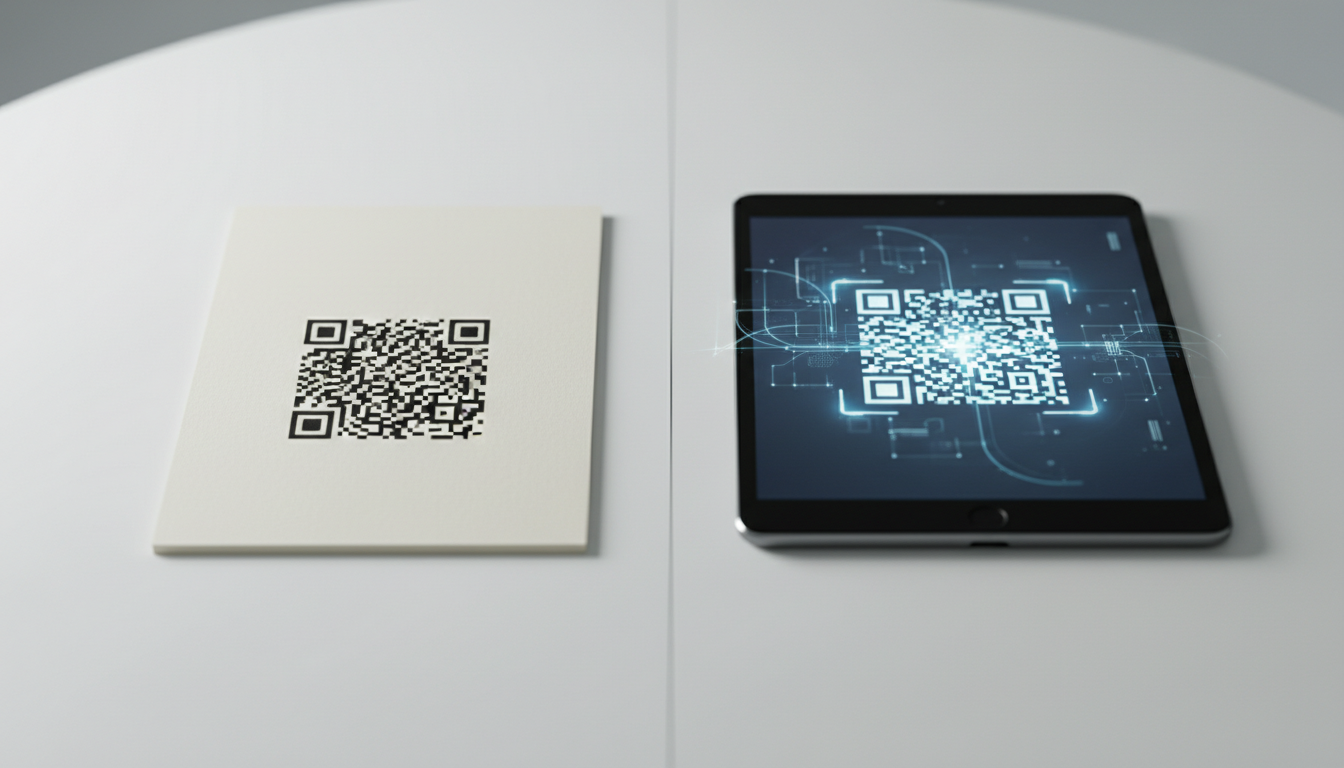
Static vs Dynamic QR Code Explained: Benefits of Dynamic QR
Understand static vs. dynamic QR codes. Learn the benefits of dynamic QR codes for marketing, tracking, and content updates. Essential for modern campaigns.

Dynamic QR Code Explained: What It Is, How It Works, & Benefits
Discover what a dynamic QR code is, how it works, and its key advantages for marketing and business. Learn why editable QR codes are essential for modern campaigns with Q

How to Create a QR Code for a Business Card: vCard Guide
Learn how to create a QR code for your business card using a vCard QR code generator. Share contact info instantly, enhance networking, and make a lasting digital impress
create-a-qr-code-for-a-website-the-ultimate-guide

Boost Your Business: Creative QR Code Marketing Ideas for Success
Uncover 15 innovative QR code marketing ideas to transform your campaigns and engage customers. Learn how to leverage QR codes for promotions, lead generation, and enhanc
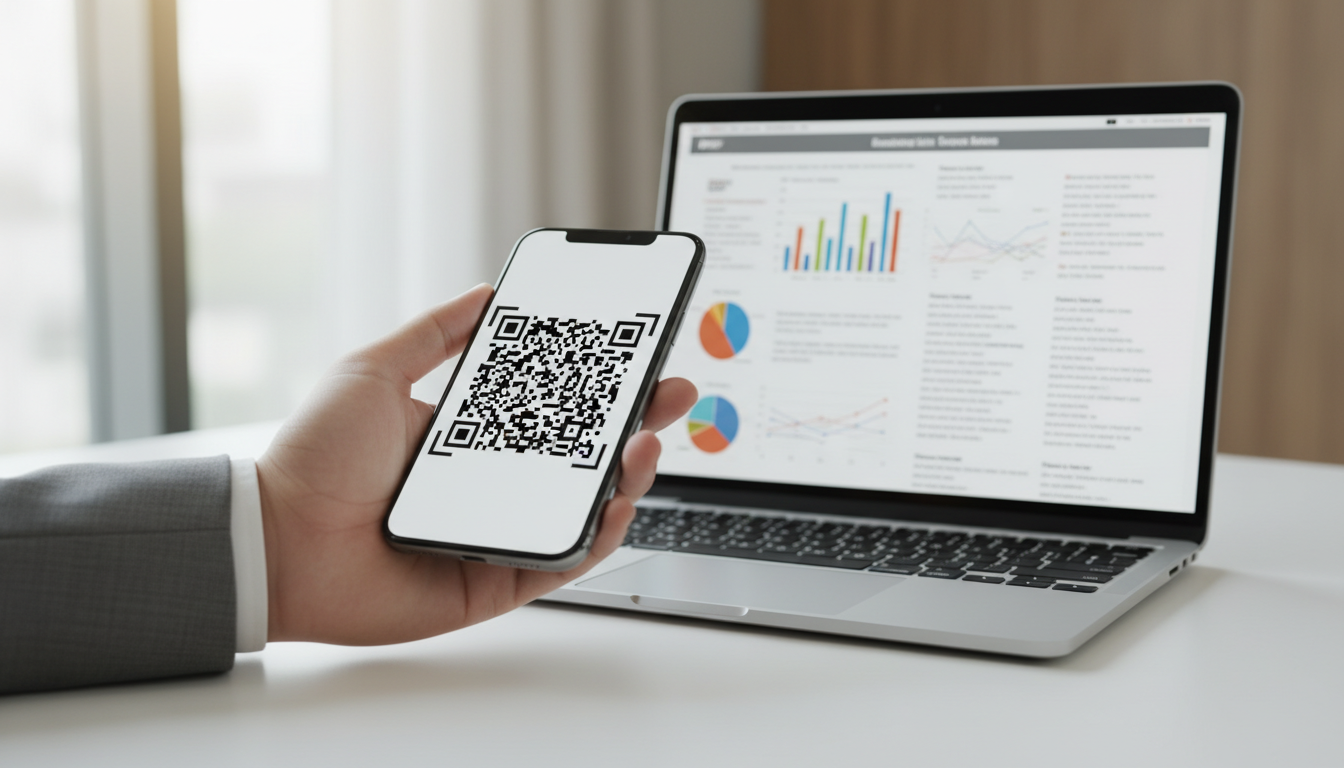
Create a QR Code for PDF: The Ultimate PDF QR Code Generator Guide
Unlock easy document sharing! Learn how to generate a QR code for PDF files effortlessly. Our guide covers using a PDF QR code generator to enhance accessibility and dist

Product Marketing Manager
Emma helps businesses leverage QR codes for marketing campaigns. She has worked with over 200 companies to optimize their QR code implementations.