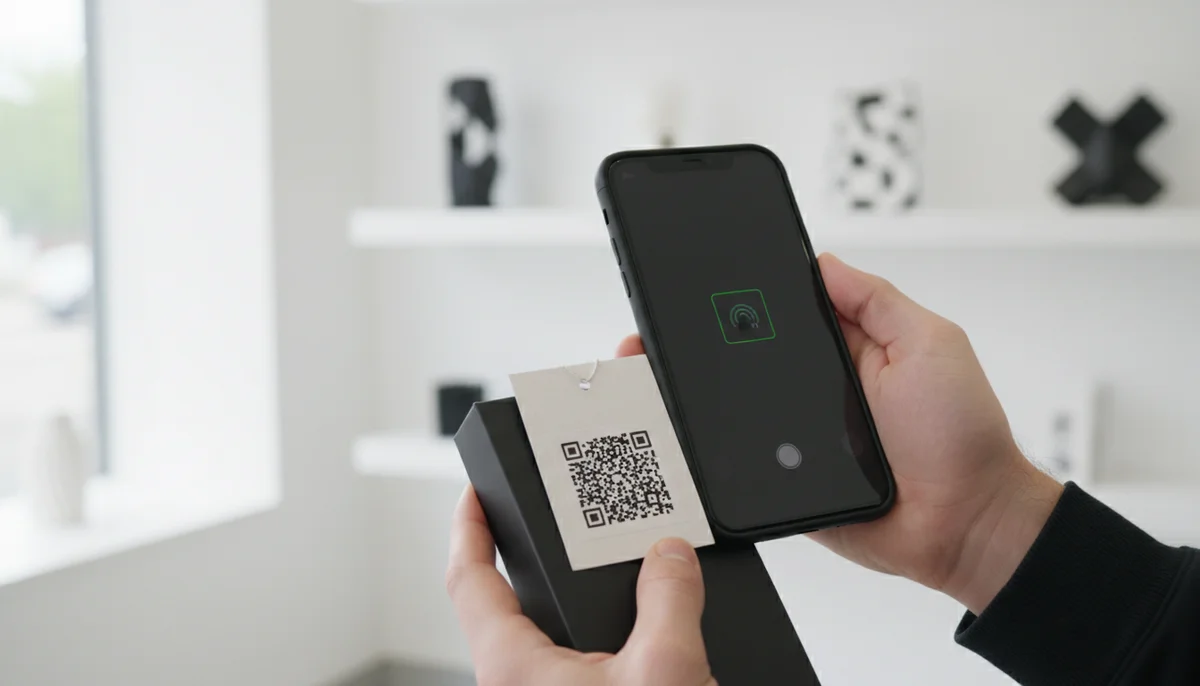
Boost Your QR Code Scan Rate: Proven Optimization Strategies
Unlock higher engagement and measure success. Learn proven strategies to boost your QR code scan rate, optimize campaigns, and track real-time analytics for maximum impac
How to Increase Your QR Code Scan Rate: A Complete Guide
Is your QR code campaign underperforming? A low QR code scan rate means wasted ad spend and lost customers. In today's hyper-connected world, QR codes are a powerful bridge between physical and digital marketing, offering instant access to information, special offers, and interactive experiences. However, their effectiveness hinges entirely on one crucial metric: how often they actually get scanned. This guide provides actionable strategies and expert insights to significantly boost your QR code performance, ensuring your campaigns deliver maximum ROI.
Understanding Your QR Code Scan Rate
The QR code scan rate is the percentage of people who see your QR code and then scan it. A high scan rate indicates effective design, strategic placement, and compelling calls to action, translating directly into better engagement and campaign success. Conversely, a low scan rate signals a disconnect, requiring a deep dive into various factors that might be hindering user interaction. Optimizing this rate is fundamental to successful digital marketing integration.
The journey to higher engagement starts with understanding what drives a scan. It's not just about generating a QR code; it's about making it irresistible and effortlessly scannable for your target audience.
Core Factors Influencing QR Code Scan Performance
To improve your QR code scan rate, it’s essential to consider the key elements that dictate whether a user will point their camera at your code. These factors span design, placement, user intent, and the technology behind the code itself.
The Power of Dynamic QR Codes
One of the most critical foundational choices is opting for dynamic QR codes over static ones. Unlike static codes, which permanently embed their destination URL, dynamic QR codes use a short redirection URL. This allows you to change the destination content at any time, track scan analytics, and conduct A/B testing without reprinting the physical code.
- Flexibility: Update the linked content (URL, PDF, video) without creating a new QR code. This is invaluable for seasonal promotions, evolving product information, or correcting mistakes.
- Trackability: Gain insights into scan times, locations, and device types, which are crucial for optimizing future campaigns. Our QR Code Analytics platform provides this granular data.
- Enhanced Performance: Dynamic codes often have smaller data patterns, making them easier and quicker to scan, even with older devices or under challenging conditions.
For any serious QR code marketing effort, leveraging Dynamic QR Codes is non-negotiable for superior performance and adaptability.
Design for Optimal Scannability
The visual appeal and technical integrity of your QR code directly impact its scannability. A poorly designed code can be frustrating or even impossible to scan.
- Contrast and Color: High contrast between the QR code and its background is paramount. Black on white is ideal, but if using colors, ensure they are distinct and don't clash. Avoid light colors on light backgrounds or dark colors on dark backgrounds.
- Size and Proximity: The physical size of the QR code must be appropriate for the viewing distance. A general rule is that the QR code side length should be approximately 1/10th of the scan distance. For instance, if people scan from 10 feet away, the code should be at least 1 foot square.
- Quiet Zone: Always maintain a clear, unobstructed border (the "quiet zone") around the QR code. This white space helps scanners identify the code and differentiate it from surrounding elements. A minimum of four times the width of a single module (the small squares within the QR code) is recommended.
- Logo Integration: Integrating your brand logo within the QR code can enhance recognition and trust. Ensure the logo doesn't obscure too much of the code's pattern, as this can affect scannability. Our Custom QR Design tools allow for safe logo integration.
Compelling Call to Action (CTA)
A QR code without a clear purpose is just a graphic. A strong, concise call to action tells users exactly what they'll get by scanning.
- Be Specific: Instead of "Scan Here," try "Scan for 10% Off," "Scan to View Menu," or "Scan for Event Tickets."
- Create Urgency/Value: "Limited-Time Offer: Scan Now!" or "Exclusive Content: Scan to Unlock."
- Visual Prominence: Place the CTA directly next to or below the QR code, using legible fonts and sufficient size.
Practical Examples of QR Code Scan Optimization
Let's look at real-world scenarios where optimizing your QR code scan rate can significantly impact business objectives.
1. Retail Store Promotions
Problem: A clothing boutique wants to promote a new collection and drive foot traffic to its website. Their QR code on in-store flyers has a low scan rate.
Optimization:
- Strategic Placement: Instead of just a flyer, place QR codes on changing room mirrors, product tags, and checkout counters. For window displays, consider the optimal viewing distance for passersby.
- Clear CTA: Use "Scan for Exclusive Sneak Peek & 15% Off Your First Online Order!"
- Dynamic Content: Link the QR code to a dynamic landing page featuring high-quality images and videos of the new collection. Use Video QR Codes or Image QR Codes for direct visual engagement. The content can be updated weekly with new arrivals without changing the physical QR code.
- A/B Testing: Create two versions of the QR code (e.g., one with a brand logo, one without; different CTAs). Use separate Dynamic QR Codes for each and track which one performs better using QR Code Analytics.
Impact: Higher engagement, increased website traffic, and a clearer pathway from in-store browsing to online purchasing, leading to improved sales conversion.
2. Event Marketing & Lead Generation
Problem: An event organizer at a trade show struggles to capture attendee information efficiently for post-event follow-up.
Optimization:
- Pre-Event Promotion: Include Event QR Codes on marketing materials, directing potential attendees to registration or a landing page with event details.
- On-Site Lead Capture: Instead of paper forms, place QR codes on booth signage and staff badges. The CTA should be "Scan to Register for Our Workshop & Enter Prize Draw!" or "Scan to Connect on LinkedIn."
- Targeted Forms: Link these QR codes directly to specific Form QR Codes tailored for different purposes (e.g., workshop registration, newsletter signup, product demo request). This streamlines data collection and improves the relevance of follow-up communication.
- Follow-Up Automation: Integrate the form submissions with a CRM system to automate email sequences, nurturing leads effectively.
Impact: Dramatically increased lead capture efficiency, richer attendee data, and a smoother follow-up process, improving post-event conversion rates.
3. Restaurant Menu Access
Problem: A busy restaurant wants to provide digital menus without customers fumbling with slow loading times or complicated URLs.
Optimization:
- Dedicated Menu QR Codes: Use Restaurant Menu QR Codes that link directly to a well-designed, mobile-optimized digital menu.
- Prominent Placement: Place QR codes clearly on table tents, at the host stand, and even on receipts for future reference. Ensure they are clean and free from food/drink stains.
- Fast Loading: Optimize the linked menu page for speed. Guests expect instant access. If using a PDF, ensure it's a small, optimized file for quick download via a PDF QR Code.
- Accessibility: Consider offering a physical menu as an alternative, but guide customers towards the QR option for convenience and environmental benefits.
Impact: Faster service, reduced printing costs, and a more hygienic, convenient experience for diners, enhancing the overall customer experience.
Strategy and Implementation for Boosting Your QR Code Scan Rate
Optimizing your QR code scan rate requires a strategic approach that covers every touchpoint, from design to data analysis.
1. Design with Scannability in Mind (Revisited)
Beyond basic contrast, consider these advanced design principles:
- Error Correction Level: Most QR code generators allow you to set an error correction level (L, M, Q, H). A higher level (like H) allows the code to be scanned even if up to 30% of its data is damaged or obscured, which is useful if you plan to embed a logo or expect wear and tear. However, higher error correction means a denser QR code, which can sometimes be slower to scan. Balance this with your needs.
- Branding & Aesthetics: While maintaining scannability, integrate brand colors and subtle design elements. Use our Custom QR Design options to create unique, branded QR codes that stand out without compromising function.
- Test Extensively: Before deploying, test your QR codes with various devices (iOS, Android, older models), different lighting conditions, and varying distances.
2. Strategic Placement and Environment
The physical context where your QR code appears is as important as the code itself.
- Visibility and Accessibility: Place QR codes at eye-level, in well-lit areas, and where users have sufficient time and space to scan them comfortably. Avoid placing them in awkward positions (e.g., tight corners, high up walls).
- Contextual Relevance: The QR code should appear naturally within the user's journey. Don't put a restaurant menu QR code on a gym advertisement.
- Digital Integration: For digital displays (e.g., websites, social media posts, email signatures), ensure the QR code is clearly visible and offers value that can't be easily accessed via a direct link. Consider Social Media QR Codes for cross-platform promotion.
3. Crafting Irresistible Calls to Action (Revisited)
Your CTA is the primary driver of interaction.
- Benefit-Oriented: Focus on the value the user receives: "Scan to Win," "Scan for Free Download," "Scan for exclusive video."
- Language and Tone: Match your brand's voice. Be direct, clear, and action-oriented.
- Size and Placement: Ensure the CTA is legible and positioned immediately next to the QR code, guiding the user's eye.
4. Optimize Destination Content
Once a user scans, the experience on the destination page must be seamless and fulfill the promise of your CTA.
- Mobile-First Design: All linked content (landing pages, forms, PDFs) must be fully optimized for mobile devices. Slow loading times or non-responsive designs will immediately lead to user drop-off.
- Clear Value Proposition: Ensure the content delivered is exactly what the CTA promised. Irrelevant or disappointing content will deter future scans.
- Minimal Friction: Reduce the number of steps or clicks required to get to the desired information or action. Use concise forms for lead generation.
5. Implement A/B Testing Consistently
Testing is critical for understanding what resonates with your audience and improving your QR code scan rate.
- Vary Elements: Test different CTAs, QR code designs (e.g., with/without logo), colors, sizes, and even placements.
- Track Performance: Use separate Dynamic QR Codes for each variation. Our QR Code Analytics platform will provide the data needed to compare scan rates.
- Scale Testing: For large-scale campaigns or multiple locations, leverage our Bulk QR Generator to efficiently deploy and test numerous QR code variations across different assets or locations simultaneously. This allows for rapid iteration and optimization based on real-world performance.
- Iterate and Optimize: Based on the data, refine your approach. What works for one campaign might not work for another. Continuous testing is key.
6. Leverage Comprehensive QR Code Analytics
Analytics are the backbone of any successful QR code campaign. They provide the insights needed to understand performance and make data-driven decisions.
- Key Metrics: Monitor total scans, unique scans, scan locations (city/country), device types, and scan times.
- Campaign Performance: Analyze which QR codes perform best in different environments or with specific CTAs. This directly informs your optimization efforts.
- User Behavior Insights: Understand when and where your audience is most engaged, allowing you to fine-tune placement and timing.
- Integration for Advanced Optimization: For businesses with sophisticated needs, our QR Code API allows for programmatic QR code generation, advanced tracking integration with existing marketing platforms, and automated A/B testing, unlocking a new level of campaign optimization and data utilization.
By meticulously analyzing these metrics through our QR Code Analytics dashboard, you can identify trends, pinpoint areas for improvement, and validate your optimization strategies. This continuous feedback loop is essential for maximizing your QR code scan rate.
Conclusion
Improving your QR code scan rate is not a one-time fix but an ongoing process of strategic design, thoughtful placement, compelling communication, and diligent analysis. By embracing Dynamic QR Codes, optimizing your design for scannability, crafting clear calls to action, and consistently leveraging QR Code Analytics for A/B testing and performance monitoring, you can transform your QR codes from static images into powerful drivers of engagement and business growth.
Don't let your QR codes be overlooked. Start implementing these expert strategies today and unlock the full potential of your digital marketing efforts. The higher your scan rate, the greater your reach and the more impactful your campaigns will be.
Ready to Get Started?
Explore our tools to enhance your QR code workflow
Team Workspace
Collaborate with your team on QR code projects. Share templates, manage permissions, and track usage.
Explore TeamsQR Code API
Integrate QR code generation into your applications with our RESTful API. Unlimited requests, high performance.
Explore APIBulk QR Generator
Generate hundreds of QR codes at once from CSV files. Perfect for events, inventory, and mass campaigns.
Start BulkAll tools are available with a free plan to get you started
Frequently Asked Questions
Find quick answers to common questions about this topic
What factors influence QR code scan rates?
Factors include QR code design, placement, call-to-action clarity, the value proposition of the linked content, and the overall marketing context. Visibility is key to higher engagement.
How can I design QR codes for better scanability?
Design QR codes with good contrast, sufficient size, and a clear call-to-action. Avoid overcrowding with too much data, which can reduce error correction and make scanning difficult.
What role do analytics play in QR code optimization?
Analytics are crucial for optimization, providing data on scan locations, times, and device types. This allows for data-driven adjustments to campaigns and content, improving performance.
Can dynamic QR codes improve scan rates?
Yes, dynamic QR codes can significantly improve scan rates. They allow you to update the linked content anytime without reprinting, ensuring fresh and relevant information for users and avoiding outdated links.
How often should I review my QR code campaign performance?
Regular review is essential. For active campaigns, weekly or bi-weekly checks of your QR code scan data and engagement metrics can help you make timely adjustments for better results and ongoing optimization.
Related Articles
Continue exploring QR code strategies and best practices
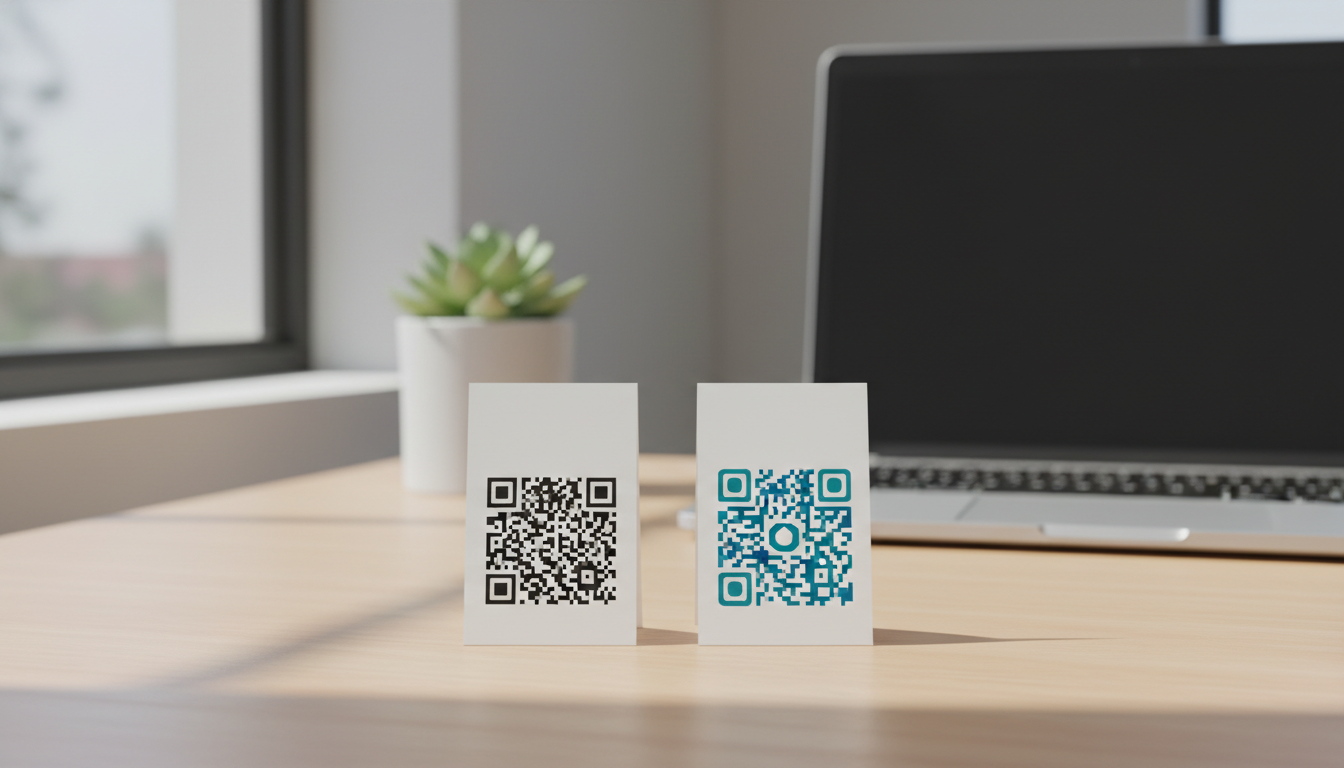
Optimize Marketing: Mastering QR Code A/B Testing for Better Results
Unlock the power of QR code A/B testing to refine your marketing campaigns. Learn how to optimize QR code designs, calls-to-action, and destinations for maximum engagemen

Unlocking Insights: How QR Code Analytics Boost Marketing Campaigns
Discover how QR code analytics provide real-time insights into user engagement, scan locations, and campaign performance. Optimize your marketing strategies with powerful
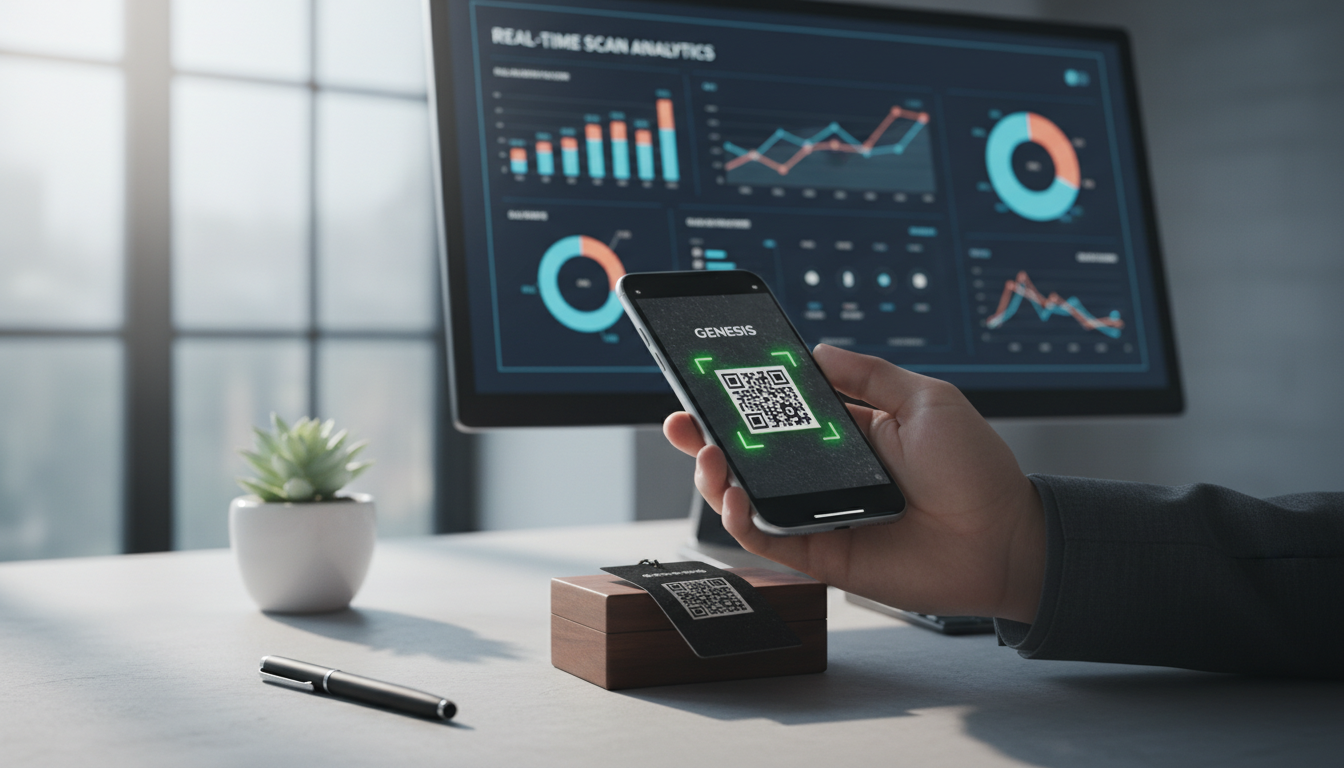
How to Track QR Code Scans for Campaign Success
Learn how to track QR code scans effectively with real-time analytics to measure campaign performance and optimize your marketing efforts. Understand key metrics.

How QR Code Retargeting Works: A Guide to Pixel Implementation
Discover how QR code retargeting pixel technology can transform your marketing. Learn to track user engagement from scans, build targeted audiences, and optimize campaign
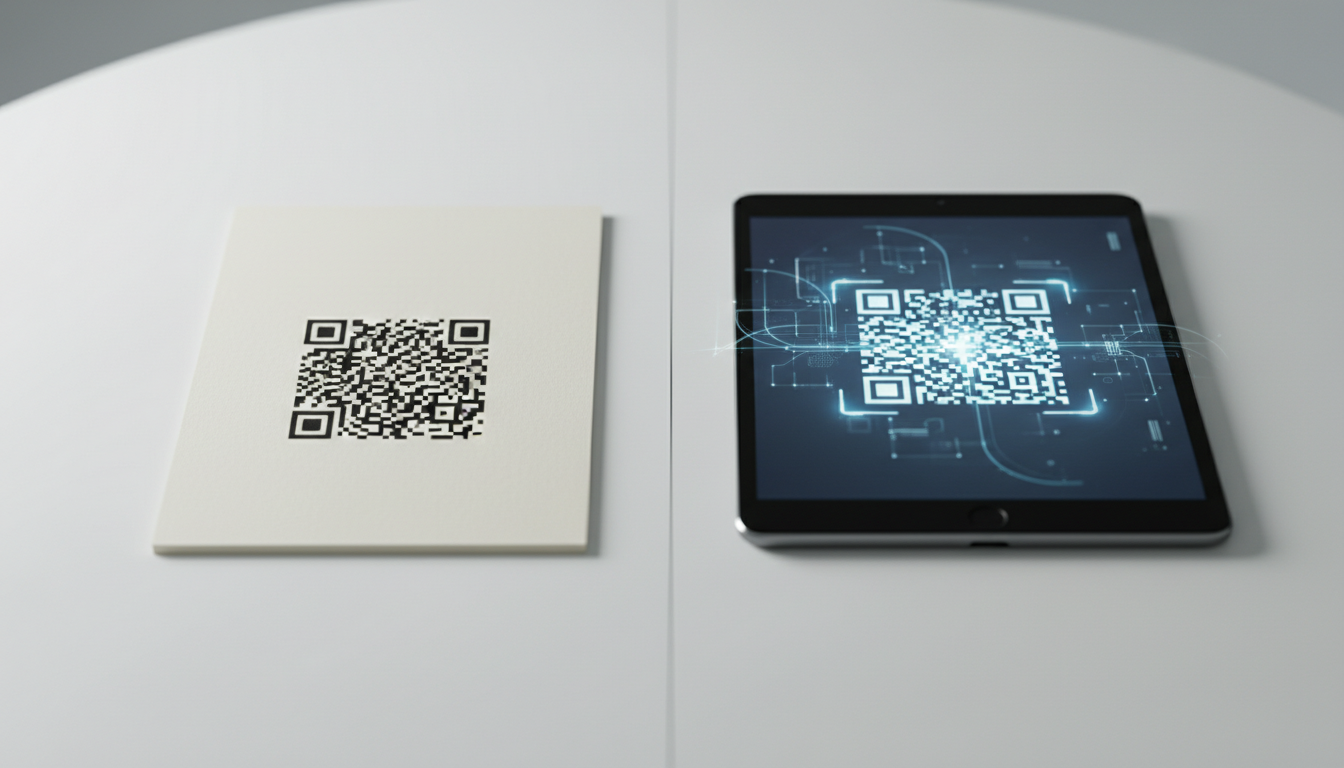
Static vs Dynamic QR Code Explained: Benefits of Dynamic QR
Understand static vs. dynamic QR codes. Learn the benefits of dynamic QR codes for marketing, tracking, and content updates. Essential for modern campaigns.

15 Creative QR Code Marketing Ideas for Your Business
Unlock new customer engagement with these innovative QR code marketing ideas. Learn how to track campaign performance with QR-Build's analytics.

Product Marketing Manager
Emma helps businesses leverage QR codes for marketing campaigns. She has worked with over 200 companies to optimize their QR code implementations.