
Enhance Learning: QR Code Learning Materials for Interactive Education
Discover how QR code learning materials can revolutionize classrooms and make education more interactive. Learn to create engaging QR codes for lessons, assignments, and
QR Codes for Interactive Learning Materials: A Business Guide
In today's fast-paced business environment, effective training and accessible information are paramount. Traditional learning methods often struggle to keep up, leading to disengaged employees, uninformed customers, and inefficient processes. Businesses need solutions that offer flexibility, engagement, and measurable impact. This is where qr code learning materials step in, providing a highly effective tool for transforming how organizations deliver information and foster interactive learning.
QR codes bridge the gap between physical and digital content, offering instant access to a wealth of resources with a simple scan. For any business looking to enhance employee onboarding, streamline product support, or improve customer education, integrating QR codes into their learning strategy is a strategic move. This article will explore how to leverage QR codes to create dynamic, measurable, and engaging learning experiences for your workforce and clientele.
The Power of Interactivity in Business Education
Effective learning in a business context isn't just about absorbing information; it's about application, retention, and continuous improvement. Interactive learning techniques significantly boost these outcomes by actively involving the learner. QR codes facilitate this by transforming static assets like manuals, handouts, or physical products into gateways to rich, interactive digital content.
This shift moves away from passive consumption to active engagement, which is crucial for:
- Higher Engagement Rates: Learners are more likely to participate and retain information when they can interact directly with the content.
- Improved Knowledge Retention: Interactive elements, such as quizzes or simulations accessed via QR codes, reinforce understanding more effectively.
- Enhanced Accessibility: Information becomes available on-demand, exactly when and where it's needed, whether on a factory floor or in a customer's home.
- Reduced Training Costs: Digital resources linked via QR codes can be updated easily and distributed widely without the need for constant reprinting.
Core Applications of QR Code Learning Materials
Integrating QR codes into your learning strategy offers diverse applications across various business functions. The versatility of these digital tools makes them invaluable for internal training, external customer support, and general information dissemination.
1. Streamlining Employee Onboarding and Training
New hires often face an overwhelming amount of information. QR code learning materials simplify this process by making essential resources immediately accessible.
- Welcome Packets: Place QR codes in welcome packets that link to an App Store QR Codes for downloading company communication apps, a vCard QR Codes for key contacts, or a URL QR Codes to an interactive "first 90 days" checklist.
- Policy & Procedure Manuals: Instead of bulky binders, provide a concise guide with QR codes linking to specific sections of an online policy database, compliance videos, or interactive quizzes on company regulations. For comprehensive documents, a PDF QR Codes can link directly to the latest version of any manual.
- Skill Development: For on-the-job training, QR codes can be placed on machinery or at workstations. A scan could lead to a Video QR Codes demonstrating proper operation, safety protocols, or troubleshooting guides. This just-in-time learning is highly effective for technical roles.
2. Enhancing Product Support and Customer Education
Customer satisfaction often hinges on their ability to understand and effectively use your products or services. QR codes offer a seamless way to provide this support.
- Packaging & Labels: A QR code on product packaging can link to assembly instructions, FAQs, troubleshooting guides, or even a customer support chat. This reduces calls to your service center and empowers customers.
- In-store Displays: Retailers can use QR codes on product displays to provide detailed specifications, demonstration videos, or customer reviews, enhancing the in-store shopping experience.
- Software & App Tutorials: For digital products, a QR code within the application or on marketing materials can link to specific feature tutorials, update notes, or an interactive help center, improving user adoption.
3. Compliance and Safety Training
Maintaining compliance and ensuring workplace safety are non-negotiable for businesses. QR codes can significantly improve the delivery and accessibility of critical information.
- Safety Checklists: Place QR codes in high-risk areas or on equipment. Scanning it could lead to the latest safety checklist, emergency procedures, or a Plain Text QR Codes with crucial contact numbers.
- Certification Reminders: For roles requiring regular recertification, QR codes can link to training modules, test registration, or even automatically send an Email QR Codes reminder to the trainee.
- Audit Readiness: Digital logs and updated safety manuals accessed via QR codes ensure that all information is current and easily verifiable during audits.
The Role of Dynamic QR Codes and Analytics
While static QR codes are useful for unchanging content, the true power of qr code learning materials for businesses lies in utilizing Dynamic QR Codes. Dynamic QR codes allow you to change the linked content after the code has been printed, without needing to generate a new QR code.
Here's why dynamic QR codes are indispensable for learning applications:
- Agile Content Updates: As policies change, products evolve, or training videos are revised, you can simply update the destination URL behind the dynamic QR code. This saves significant reprinting costs and ensures learners always access the most current information.
- Performance Tracking: QR Code Analytics provide valuable insights into how your learning materials are being used. You can track:
- Scan frequency: How often specific learning materials are accessed.
- Location data: Where users are scanning from (useful for geographical training needs).
- Device types: Understanding user access methods.
- Time of day: Identifying peak learning periods.
These analytics are crucial for optimizing your qr code learning materials and refining your overall learning strategy. They allow you to identify what content is most engaging and what areas might need improvement. For instance, if a safety video linked by a QR code on a machine has low scan rates, it might indicate a lack of awareness or the need for a more prominent placement.
Practical Implementation: Building Your QR Code Learning Strategy
Implementing qr code learning materials effectively requires a structured approach. Here's a step-by-step guide to integrate them into your business operations.
Step 1: Define Your Learning Objectives
Before creating any QR codes, clearly articulate what you want your learners (employees or customers) to achieve.
- What knowledge or skill should they gain?
- What problem are you solving? (e.g., reducing support calls, speeding up onboarding, improving compliance).
- How will success be measured? (e.g., lower support ticket volume, faster employee ramp-up time, higher passing rates on compliance tests).
Step 2: Content Creation and Curation
Identify or create the digital content that your QR codes will link to. This could include:
- Documents: PDFs of manuals, handbooks, checklists.
- Videos: How-to guides, safety demonstrations, product overviews.
- Web Pages: FAQs, interactive modules, company intranets.
- Forms: Feedback surveys, incident reports.
Ensure all content is optimized for mobile viewing, as most QR code scans will occur on smartphones. You can easily generate a PDF QR Codes or Video QR Codes for these content types.
Step 3: Choose Your QR Code Generator and Plan Deployment
Select a reliable Free QR Code Generator that supports dynamic QR codes and analytics. Consider using a Team Workspace if multiple individuals or departments will be managing QR code campaigns.
- Generate QR Codes: Create individual QR codes for each piece of content. Use clear, descriptive names for each code within your QR code management platform for easy tracking.
- Design Customization: Consider using Custom QR Design to brand your QR codes with your company logo and colors. This builds trust and recognition.
- Placement Strategy: Think critically about where your QR codes will be placed to maximize visibility and utility. On equipment, in training manuals, on product packaging, or even on a Business Page QR Codes for quick access to company info.
- Bulk Generation: For large-scale deployments, such as thousands of product labels or employee badges, leverage a Bulk QR Generator to create multiple codes efficiently.
- LMS Integration: For businesses with existing Learning Management Systems, consider using a QR Code API to seamlessly integrate QR code generation and management directly into your platform. This automates the creation of qr code learning materials for courses and modules.
Step 4: Deploy and Promote
Integrate the generated QR codes into your physical and digital learning materials.
- Physical Materials: Print QR codes on employee handbooks, safety signs, product packaging, machinery, or marketing collateral.
- Digital Materials: Embed QR codes within digital documents, presentations, or emails.
- Clear Instructions: Always provide a brief call to action next to the QR code, such as "Scan for Video Tutorial" or "Scan for Safety Checklist."
Step 5: Track, Analyze, and Optimize
This is where the power of dynamic QR codes truly shines. Regularly review your QR Code Analytics to understand user engagement.
- Monitor Performance: Identify which qr code learning materials are frequently accessed and which are not.
- Gather Feedback: Use Form QR Codes to link to surveys to collect feedback on the usefulness and clarity of the content.
- Iterate and Improve: Based on analytics and feedback, update your linked content as needed. A lower scan rate might mean repositioning the code or improving the call to action. Higher engagement might signal success and inform future content creation.
Business Use Cases in Action
Let's illustrate with a few detailed examples of how businesses can effectively deploy qr code learning materials.
Scenario 1: Manufacturing Plant Safety Training
A manufacturing company wants to improve safety compliance and reduce incidents. They integrate QR codes directly onto machinery and within their safety manual.
- Implementation: On each piece of equipment, a durable QR code is affixed. Scanning this code takes the worker to a Video QR Codes demonstrating the correct startup and shutdown procedures, emergency stop protocols, and common troubleshooting tips specific to that machine. A separate QR code in the physical safety manual links to the most up-to-date version of the plant's overall safety policies as a PDF QR Codes.
- Benefit: Workers get instant, visual, and context-specific training exactly when they need it, reducing errors and improving safety. Management can track scan rates using QR Code Analytics to ensure engagement and identify areas where additional training might be required. If a machine's operating procedure changes, the linked video can be updated instantly without reprinting any physical signs.
Scenario 2: Software Company Onboarding
A rapidly growing SaaS company needs to quickly onboard new employees across different departments, each requiring specific software training.
- Implementation: New hires receive a digital onboarding checklist with embedded QR codes. A general QR code links to the company's "About Us" intranet page, while others link to specific Video QR Codes tutorials for internal tools (CRM, project management software), or PDF QR Codes for departmental best practices. For their social media team, a Social Media QR Codes could link to company guidelines for platforms like Instagram or Twitter.
- Benefit: New employees can learn at their own pace, accessing relevant information on demand. The HR department uses QR Code Analytics to see which training modules are being accessed most frequently, allowing them to refine and improve the onboarding experience continually. For large cohorts, a Bulk QR Generator can create personalized QR codes for each new hire's unique onboarding journey.
Scenario 3: Consumer Electronics Product Support
A consumer electronics brand aims to reduce customer support calls related to product setup and common issues.
- Implementation: They place a prominent QR code on the product packaging and in the quick-start guide. This QR code links to a dynamic landing page containing:
- Setup Video QR Codes tutorials.
- Interactive FAQs.
- A link to their online support portal.
- A Form QR Codes for direct feedback or specific issue reporting.
- Benefit: Customers can quickly resolve their issues independently, leading to higher satisfaction and fewer support tickets. Using QR Code Analytics, the brand can identify which FAQs or videos are most popular, allowing them to proactively address common pain points in future product designs or documentation. If a firmware update introduces new features, the linked content can be updated instantly via the dynamic QR code.
Conclusion
QR codes are more than just a passing trend; they are a robust and highly effective tool for creating interactive, accessible, and measurable learning experiences across your business. By transforming static information into dynamic, on-demand resources, qr code learning materials empower employees, educate customers, and streamline operational efficiency.
From employee onboarding and compliance training to enhancing product support and engaging customers, the applications are vast. Leveraging Dynamic QR Codes and in-depth QR Code Analytics provides the flexibility and insights needed to optimize your learning initiatives continually. Start leveraging a Free QR Code Generator today to transform your business's approach to education and information delivery, ensuring your content is always current, engaging, and impactful.
Ready to Get Started?
Explore our tools to enhance your QR code workflow
Free QR Code Generator
Create unlimited QR codes for free with our easy-to-use generator. No signup required.
Start CreatingTeam Workspace
Collaborate with your team on QR code projects. Share templates, manage permissions, and track usage.
Explore TeamsQR Code API
Integrate QR code generation into your applications with our RESTful API. Unlimited requests, high performance.
Explore APIAll tools are available with a free plan to get you started
Frequently Asked Questions
Find quick answers to common questions about this topic
What are QR code learning materials?
QR code learning materials are digital resources linked via scannable QR codes, allowing students to access interactive content, videos, documents, or websites instantly for a richer educational experience.
How can QR codes enhance classroom engagement?
QR codes boost engagement by providing immediate access to multimedia content, quizzes, or collaborative activities, turning passive learning into an interactive and dynamic process for students.
Can I edit the content linked to a QR code after printing?
Yes, with dynamic QR codes, you can update the linked educational content anytime, even after the QR codes have been printed and distributed, ensuring materials stay current and relevant.
What types of content can I link to QR codes for learning?
You can link to educational videos, PDFs of study guides, interactive quizzes, external research articles, audio lessons, virtual field trips, or even collaborative online whiteboards.
Are QR codes easy for educators to create and manage?
Absolutely. Platforms like QR-Build offer intuitive generators to create static or dynamic QR codes quickly, making it simple to manage and track learning materials efficiently.
Related Articles
Continue exploring QR code strategies and best practices
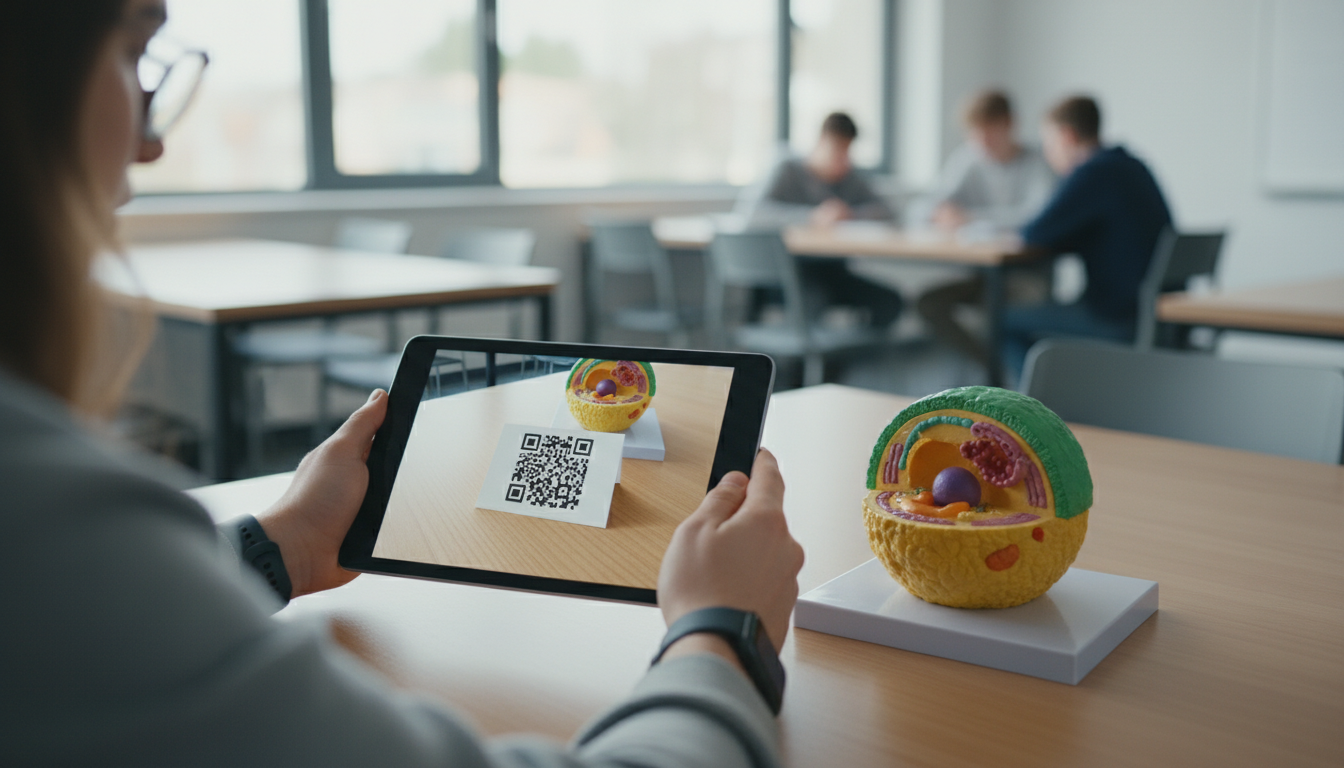
Transforming Learning: The Power of QR Code Education Use
Discover innovative QR code education use cases for schools and universities. Learn how QR codes enhance engagement, streamline administration, and improve learning exper

Static vs Dynamic QR Code Explained: Benefits of Dynamic QR
Understand static vs. dynamic QR codes. Learn the benefits of dynamic QR codes for marketing, tracking, and content updates. Essential for modern campaigns.
Create a QR Code for PDF: The Ultimate PDF QR Code Generator Guide
Unlock easy document sharing! Learn how to generate a QR code for PDF files effortlessly. Our guide covers using a PDF QR code generator to enhance accessibility and dist

Create a QR Code for Your Website: The Ultimate Guide
Unlock easy access to your website with a QR code. Learn how to create a website QR code, customize it, and deploy it effectively to boost traffic and user engagement. Si

Best QR Code Generators in 2026: Top Tools for Business & Marketing
Searching for the best QR code generator? Explore our top picks for 2026, featuring dynamic codes, advanced analytics, and powerful business solutions. Find your ideal QR

How to Track QR Code Scans for Campaign Success
Learn how to track QR code scans effectively with real-time analytics to measure campaign performance and optimize your marketing efforts. Understand key metrics.

QR Technology Specialist
Sarah has over 8 years of experience in digital marketing and QR code technology. She specializes in helping businesses implement effective QR code strategies.