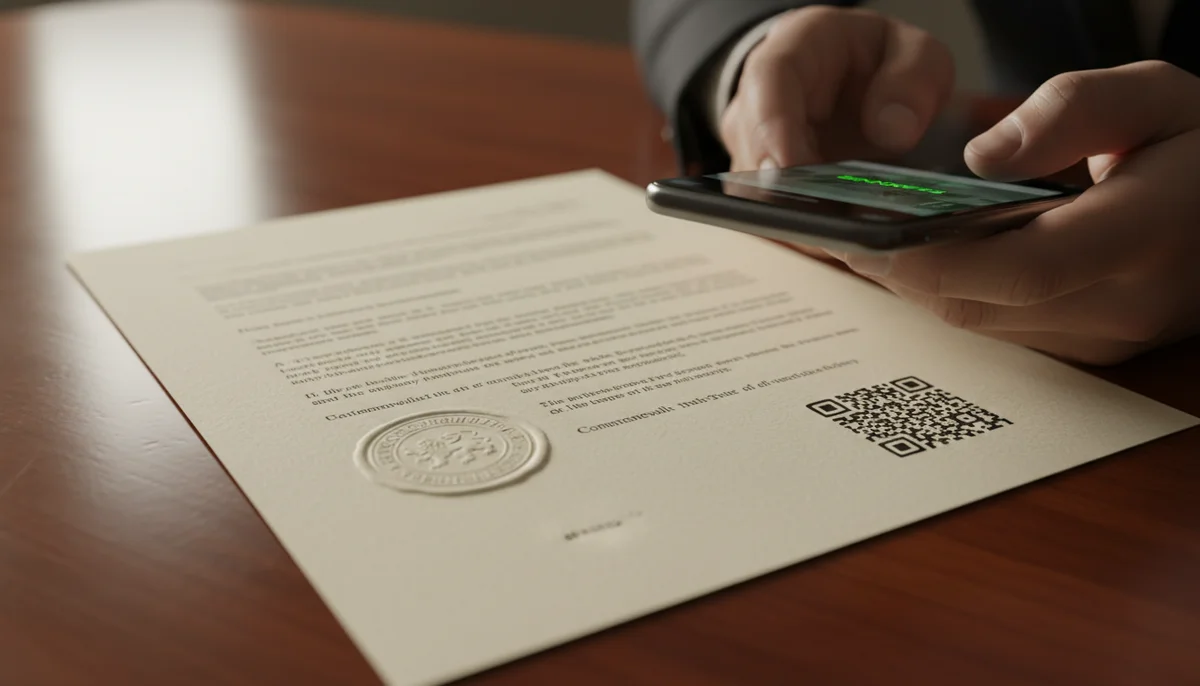
Secure Legal Documents with QR Codes: Enhance Verification & Prevent Fraud
Learn how QR codes for legal documents enhance security, streamline verification, and prevent fraud. Discover dynamic QR technology for robust document authenticity.
Legal Documents with QR Codes: How QR Technology Improves Verification and Prevents Fraud
In an increasingly digital world, the integrity and authenticity of legal documents are paramount. From contracts and deeds to certificates and official permits, the risk of fraud and the challenge of reliable verification pose significant hurdles for individuals, businesses, and government agencies alike. Enter QR code technology – a simple yet powerful solution revolutionizing how we secure and authenticate critical paperwork. Integrating a legal document with QR code empowers stakeholders with instant, tamper-proof verification, fundamentally enhancing trust and mitigating the risks associated with fraudulent documents.
The Critical Need for Secure Document Verification
Traditional methods of document verification, often reliant on watermarks, seals, or manual checks, are increasingly vulnerable to sophisticated forgery techniques. The sheer volume of documents processed daily across legal, financial, and administrative sectors makes comprehensive manual verification impractical and prone to human error. This vulnerability leads to substantial financial losses, reputational damage, and, in severe cases, legal ramifications. The demand for an efficient, scalable, and highly secure method for QR code document verification has never been higher, pushing the legal landscape towards innovative digital solutions.
How QR Codes Elevate Document Security
QR codes offer a robust, digital layer of security that can transform any physical or digital legal document into an interactive, verifiable artifact. By embedding encrypted or linked information directly onto the document, they provide a bridge between the physical item and its digital source of truth.
The Mechanics of QR Code Verification
When a QR code is placed on a legal document, it typically stores a unique URL or encrypted data string. Scanning this code with a smartphone or dedicated scanner initiates a verification process:
- Scan Initiation: A user scans the QR code present on the document.
- Data Retrieval: The scanner reads the embedded information, which might be a link to a secure digital copy of the document, a unique verification ID, or an encrypted hash of the document's content.
- Authentication Check: The system then cross-references this data with a secure, centralized database. For instance, a unique ID might be matched against an official record, or a cryptographic hash is recalculated and compared to ensure no tampering has occurred.
- Verification Result: The user receives immediate feedback – either confirming the document's authenticity and validity or flagging it as potentially fraudulent or invalid.
This process is swift, eliminates ambiguity, and significantly reduces the potential for human error.
Static vs. Dynamic QR Codes for Legal Applications
Choosing between static and dynamic QR codes is crucial for legal documents:
- Static QR Codes: Store fixed information. Once generated, the embedded data cannot be changed. While suitable for linking to immutable records (e.g., a specific PDF version of a final contract), they lack flexibility.
- Dynamic QR Codes: The preferred choice for most legal applications. They point to a changeable URL, meaning the underlying content or destination can be updated even after the QR code has been printed. This is invaluable for:
- Updating Status: Changing a document's status from "pending" to "approved."
- Revocation: Instantly revoking a document's validity if it's found to be fraudulent or superseded.
- Analytics: Tracking scan data (though less relevant for privacy-sensitive legal docs, it can confirm verification attempts).
Our Dynamic QR Codes service offers the flexibility and control required for secure and adaptable legal document management.
Practical Applications of QR Codes in Legal Contexts
The versatility of QR codes allows for integration across a wide spectrum of legal and administrative documentation, enhancing security and streamlining workflows.
Contracts and Agreements
Imagine a binding contract where each page features a QR code. Scanning it could confirm that the page is part of the original, unaltered document, linking back to a digitally signed version stored securely. This prevents the insertion of fraudulent pages or unauthorized modifications.
Government-Issued Credentials and Licenses
Many countries are exploring or already implementing QR codes on driver's licenses, passports, and professional certifications. A QR code on a medical license, for example, can link to the issuing authority's database, confirming the practitioner's current standing, specialty, and validity, preventing individuals from falsely claiming credentials.
Real Estate Deeds and Property Records
Property fraud is a significant concern. A QR code on a property deed could link directly to the land registry's official record, providing instant confirmation of ownership, encumbrances, and any recent transfers. This adds a critical layer of transparency and security to high-value transactions.
Academic Diplomas and Certificates
Educational institutions can embed QR codes on diplomas and transcripts. A prospective employer or educational body can scan the code to verify the authenticity of the degree and access official academic records, combating the proliferation of fake diplomas.
Legal Correspondence and Notarizations
Notarized documents often require a trusted seal. A QR code can augment this, linking to a digital certificate of notarization or confirming the notary's license and the date of the action. Even general legal correspondence can use QR codes to ensure the recipient is accessing the most up-to-date version of a legal notice or brief, especially if the content is hosted via a PDF QR Code.
Strategic Implementation of QR Codes for Legal Document Security
Implementing QR codes effectively for legal document security requires a thoughtful approach, focusing on robust backend systems, data integrity, and user-friendly access.
1. Designing for Security and Trust
The core principle is to ensure the data linked via the QR code is secure and immutable or, if dynamic, controlled through a highly secure system.
- Secure Hosting: Data linked by the QR code should reside on highly secure, encrypted servers, often within a dedicated document management system or government database.
- Encryption: For sensitive data directly embedded within the QR code (less common due to data limits but possible for small identifiers), strong encryption is vital.
- Digital Signatures: The digital document linked by the QR code should ideally be digitally signed using robust public key infrastructure (PKI) standards, confirming its origin and integrity.
2. Choosing the Right QR Code Generator
Selecting a reliable QR code generator is the first practical step. For legal documents, security, reliability, and the ability to manage dynamic codes are paramount. Our platform provides a Free QR Code Generator to get started, but for professional, scalable, and secure deployments, robust features like custom branding, analytics, and API integration are essential.
3. Integrating with Existing Systems via API
For organizations handling a large volume of legal documents, manual QR code generation and management are inefficient. Integrating QR code generation and verification directly into existing document management systems (DMS) or enterprise resource planning (ERP) platforms is key. Our QR Code API allows for seamless integration, enabling automated generation of unique QR codes for each document upon creation, modification, or finalization. This ensures consistency and scalability, making it easier to implement QR code for legal documents across an entire organization.
Example API Payload for Document Verification Link:
{
  "qr_type": "url",
  "data": "https://secure.yourlawfirm.com/verify/docid123456",
  "options": {
    "size": 300,
    "color": "#000000",
    "background_color": "#ffffff"
  }
}
This JSON snippet illustrates how a unique URL, pointing to a verification endpoint for docid123456, could be programmatically sent to a QR code API to generate a QR image.
4. User Education and Accessibility
For QR code verification to be effective, users (the public, other legal professionals, government officials) must understand how to use it and trust the process.
- Clear Instructions: Documents should include brief instructions on how to scan the QR code and what information to expect.
- Universal Accessibility: Ensure the verification portal is mobile-friendly and accessible from any standard smartphone or QR code scanner.
- Transparency: Clearly state what information the QR code provides and that it is for verification purposes only.
5. Leveraging QR Code Analytics (with Privacy in Mind)
While direct personal data tracking is generally inappropriate for legal document verification, aggregated and anonymized QR code analytics can offer insights into the overall usage and effectiveness of the system. For instance, an organization can track the number of scans per document type or geographic region to identify verification hot spots or potential issues. This data, accessed via secure QR Code Analytics dashboards, can inform improvements in document security protocols or user experience, ensuring compliance while enhancing trust in legal document with QR code initiatives.
Case Study (Hypothetical): Secure Land Titles in "Veridia"
The fictional country of Veridia faced a severe challenge with land title fraud, leading to costly disputes and undermining public trust in property ownership. They implemented a nationwide system for QR code document verification on all new and existing land titles.
- Unique Digital Certificates: Each land title was assigned a unique digital certificate stored in a secure, blockchain-backed national registry.
- Dynamic QR Code Integration: A dynamic QR code was printed on every physical land title. This code linked to a real-time status page on the national registry portal.
- Verification Process: Any citizen, financial institution, or legal professional could scan the QR code. The scan would instantly display:
- The current owner's verified name.
- Any active liens or encumbrances.
- The date of the last verified transfer.
- A tamper-proof digital signature of the title document.
- Anti-Fraud Mechanism: If a title was reported stolen or fraudulent, its status in the national registry could be immediately updated via the dynamic QR code, flagging it as invalid upon scan, even if the physical document itself was a perfect forgery.
- Audit Trail: The system, utilizing QR code analytics (anonymized for privacy), recorded the number of verification scans for each title, providing an audit trail for high-activity properties.
This system dramatically reduced land title fraud, improved transaction transparency, and restored public confidence in property ownership across Veridia.
Conclusion
The integration of QR code technology into legal document processes marks a significant leap forward in digital security and efficiency. By providing an immediate, reliable, and verifiable link between physical documents and their digital truth, QR codes empower legal professionals, government agencies, and individuals to combat fraud, streamline authentication, and foster greater trust in critical information. From contracts to certifications, leveraging a legal document with QR code is no longer just an innovative concept; it is a practical, essential strategy for securing our digital future. As technology continues to evolve, the humble QR code stands as a powerful guardian of authenticity in the complex world of legal documentation.
Ready to Get Started?
Explore our tools to enhance your QR code workflow
Free QR Code Generator
Create unlimited QR codes for free with our easy-to-use generator. No signup required.
Start CreatingTeam Workspace
Collaborate with your team on QR code projects. Share templates, manage permissions, and track usage.
Explore TeamsQR Code API
Integrate QR code generation into your applications with our RESTful API. Unlimited requests, high performance.
Explore APIAll tools are available with a free plan to get you started
Frequently Asked Questions
Find quick answers to common questions about this topic
How do QR codes enhance legal document security?
QR codes embed verifiable information directly onto legal documents, making it easy to confirm authenticity and detect tampering by scanning the code. This adds a crucial layer of digital security.
Can QR codes prevent fraud in legal documents?
Yes, dynamic QR codes, especially, can be linked to secure, real-time data. Any alterations to the original document or attempts to forge it would be instantly detectable upon scanning, significantly reducing fraud risk.
What types of legal documents can use QR codes?
QR codes are suitable for a wide range of legal documents, including contracts, certificates, licenses, permits, notarized agreements, and official records, providing enhanced verification for each.
How do I create a QR code for a legal document?
Platforms like QR-Build allow you to generate dynamic QR codes. You link the QR code to a secure digital version or verification portal of your document, then print it onto the physical copy for easy scanning.
Are QR codes for legal documents secure?
When generated by a robust platform, QR codes are very secure. Dynamic QR codes can lead to encrypted data or authenticated portals, ensuring that only valid information is retrieved and minimizing security vulnerabilities.
Related Articles
Continue exploring QR code strategies and best practices

Enhancing QR Code Data Protection: Security Best Practices
Discover essential strategies for QR code data protection. Learn how to secure your QR codes, prevent unauthorized access, and ensure user privacy with QR-Build's robust

Create a QR Code for PDF: The Ultimate PDF QR Code Generator Guide
Unlock easy document sharing! Learn how to generate a QR code for PDF files effortlessly. Our guide covers using a PDF QR code generator to enhance accessibility and dist
How Dynamic QR Codes Work: Your Guide to Editable QR Codes
Discover how dynamic QR codes allow you to update content even after printing. Learn the benefits of an editable QR code for campaigns, menus, and business.
How to Print QR Codes Correctly: A Comprehensive Guide
Master the art of QR code printing with our essential guide. Learn how to print QR codes correctly for optimal scanability and professional results. Avoid common errors f

How to Track QR Code Scans for Campaign Success
Learn how to track QR code scans effectively with real-time analytics to measure campaign performance and optimize your marketing efforts. Understand key metrics.
What are the Main QR Code Types? Static, Dynamic & More
Explore the different QR code types, from static to dynamic. Learn their unique features, benefits, and best uses for business with QR-Build.

QR Technology Specialist
Sarah has over 8 years of experience in digital marketing and QR code technology. She specializes in helping businesses implement effective QR code strategies.