מדריך מלא · 2026
מהו קוד QR? הגדרה, משמעות ואופן השימוש
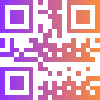
קוד QR מחבר בפשטות בין משטח פיזי לפעולה דיגיטלית. סרקו את הדוגמה המרובעת במצלמת הטלפון כדי לפתוח תפריט, אתר, כרטיס איש קשר, רשת WiFi, תשלום או יעד שימושי אחר.
מהו קוד QR?
קודי QR נפוצים בתפריטים, אריזות, פוסטרים, כרטיסי ביקור וכרטיסים, משום שהם הופכים משטח מודפס או מוצג לנקודת מגע דיגיטלית מיידית.
מהו קוד QR?
המשמעות של קוד QR בשפה פשוטה
חשבו על קוד QR כעל קיצור דרך שניתן לסרוק. הריבוע המודפס אינו האתר, התפריט או דף התשלום עצמו; הוא הוראה מקודדת שאומרת לטלפון לאן ללכת או מה לעשות.
אילו נתונים קוד QR יכול לשמור?
URL
כתובת אינטרנט הפותחת דף נחיתה, הוראות מוצר או תפריט דיגיטלי.
כרטיס איש קשר
מטען vCard המאפשר לשמור שם, טלפון, דוא״ל ופרטי חברה.
פרטי WiFi
פרטי רשת המאפשרים להתחבר בלי להקליד סיסמה.
אלו דוגמאות בלבד. לרשימה המלאה ראו סוגי קודי QR.
What Does QR Stand For?
Quick Response and the Denso Wave origin
Denso Wave, a Japanese company in the Denso group, developed the QR code in 1994 for tracking automotive parts. The QR format is now defined by ISO/IEC 18004, while everyday use has expanded well beyond manufacturing.
For the timeline and adoption context, read the history of QR codes.
What Does a QR Code Look Like?
Finder patterns
The three large corner squares orient the scanner, helping it recognize the symbol from different angles.
Alignment pattern
A smaller square pattern can help a scanner correct alignment on larger QR codes.
Timing patterns
Alternating modules form a guide that helps define the grid used during decoding.
Data modules
Each black or white module is a small square in the matrix. Their arrangement encodes the payload.
Quiet zone
A quiet zone is the blank margin around a QR code that lets a scanner distinguish the symbol from nearby graphics.
Contrast and shape
A dark pattern on a light background and an undistorted square shape make the code easier for cameras to detect.
A QR code is one kind of 2D barcode; it differs from familiar linear UPC and EAN labels. Read QR code vs barcode for the focused comparison, or see the QR code infographic for a visual summary.
איך עובד קוד QR?
- 1.סריקה: כוונו את מצלמת הטלפון אל קוד ה-QR כולו.
- 2.פענוח: הטלפון קורא את דוגמת היחידות וממיר אותה לנתונים המקודדים.
- 3.פעולה: הטלפון פותח URL, מציג טקסט, מציע להתחבר ל-WiFi או שומר איש קשר.
למדו כיצד קודי QR פועלים.
Static QR Codes vs Dynamic QR Codes
| Feature | Static QR code | Dynamic QR code |
|---|---|---|
| Destination | Fixed in the printed pattern. | Editable through a redirect layer after printing. |
| Reprint required | Yes, when the destination changes. | No, update the redirect destination instead. |
| Scan analytics | No platform-level aggregate reporting. | Can provide aggregate counts, devices, time, and location context. |
| Best for | Permanent information such as WiFi credentials, fixed vCards, or stable PDFs. | Menus, events, campaigns, and links that may change after printing. |
| QR-Build support | Free static QR codes for fixed payloads. | Editable destinations and scan analytics; see current plans before choosing. |
The printed symbol and destination are separate for dynamic codes: symbol → redirect layer → editable URL → scan analytics. Compare static vs dynamic QR codes in depth, or review current pricing.
Which QR Code Type Fits Your Use Case?
| Your situation | Recommended type | Why |
|---|---|---|
| WiFi password, fixed contact information, or permanent text | Static | The payload is unlikely to change, so no redirect layer is needed. |
| Restaurant menu URL that changes seasonally | Dynamic | A new destination can be published without replacing table tents. |
| Marketing poster that needs scan counts | Dynamic | The redirect layer supports aggregate scan reporting. |
| One-time event registration link | Either | Choose static when the URL is final; choose dynamic when event details may move. |
| Product label that links to a warranty page | Static or dynamic | Static suits a stable URL; dynamic helps when the destination may be revised. |
למה משמשים קודי QR?
שיווק ופרסום
פוסטר, חלון ראווה או אריזת מוצר יכולים להוביל לקוח להצעה, דף, סרטון או בקשת ביקורת.
מסעדות ואירוח
כרטיס שולחן יכול לפתוח תפריט דיגיטלי או תהליך תשלום.
אירועים וכרטוס
פוסטר לאירוע יכול לשלוח מבקרים להרשמה, ללוח זמנים או לצ׳ק-אין.
גלו דוגמאות לקודי QR.
QR Code vs Barcode — What’s the Difference?
QR codes store information across a square grid rather than a single row of lines, which gives them more capacity and makes them well suited to smartphone-camera scanning. QR codes complement existing barcodes; they do not automatically replace them. See the full QR code vs barcode guide.
How to Create a QR Code
- 1.Choose the content type and destination, such as a URL, WiFi network, contact card, or document.
- 2.Generate the QR code with a reliable tool and keep the design high contrast with a visible quiet zone.
- 3.Test the code with iPhone and Android cameras, then verify that the landing page is mobile-friendly before printing at scale.
צרו את קוד ה-QR הראשון שלכם בחינם
הפכו URL, רשת WiFi, כרטיס איש קשר או נתונים אחרים לקוד QR סריק.
Common Mistakes When Using QR Codes
- 1.Printing a code too small or trimming the quiet zone with nearby borders, images, or text.
- 2.Using a static code even though the menu, offer, or landing-page destination will change.
- 3.Sending scanners to a page that is not mobile-friendly or does not match the promise near the code.
- 4.Placing a QR code without a clear instruction such as “Scan to view the menu” or “Scan to register.”
- 5.Skipping a test scan on more than one phone before committing a code to a large print run.
Best Practices at a Glance
- Use dark modules on a light background and preserve the square shape of the symbol.
- Choose a physical size appropriate for the expected scan distance.
- Test native camera scanning on both iPhone and Android before printing or publishing.
- Put a plain-language call to action next to the code so people know why to scan it.
- Use a dynamic QR code when campaign destinations or measurement requirements may change.
We evaluate QR code readiness by checking camera scans, quiet-zone visibility, the mobile destination, and static-versus-dynamic fit. Use the QR code size guide and QR code best practices for print and placement detail.
האם קודי QR בטוחים?
סרקו קודים ממקורות מהימנים ובדקו את היעד שמוצג בטלפון. קראו את מדריך אבטחת קודי QR.
QR Code Glossary
- QR code
- A Quick Response code: a 2D barcode that smartphone cameras can scan to read encoded data.
- Module
- An individual black or white square in the QR code matrix.
- Quiet zone
- The blank margin around a QR code that helps a scanner separate the symbol from surrounding content.
- Payload
- The data encoded in a QR code, such as a URL, text, vCard, or WiFi credentials.
- Static QR code
- A QR code with a fixed payload embedded in its printed pattern.
- Dynamic QR code
- A QR code that uses a redirect layer to support an editable destination and aggregate scan analytics.
- Finder pattern
- One of the three large corner squares that helps a scanner orient a QR code.
שאלות נפוצות
-
מהו קוד QR?
זהו ברקוד דו-ממדי עם נתונים שמצלמות סמארטפון יכולות לקרוא. -
מה משמעות QR?
QR הוא קיצור של Quick Response. -
האם נדרשת אפליקציה מיוחדת לסריקה?
רוב מכשירי iPhone ו-Android החדשים סורקים קודי QR באמצעות אפליקציית המצלמה המובנית.